
























NASA tests drone delivery of human kidney beyond visual line of sight for transplant transport
By
Elizabeth Howell
Summary
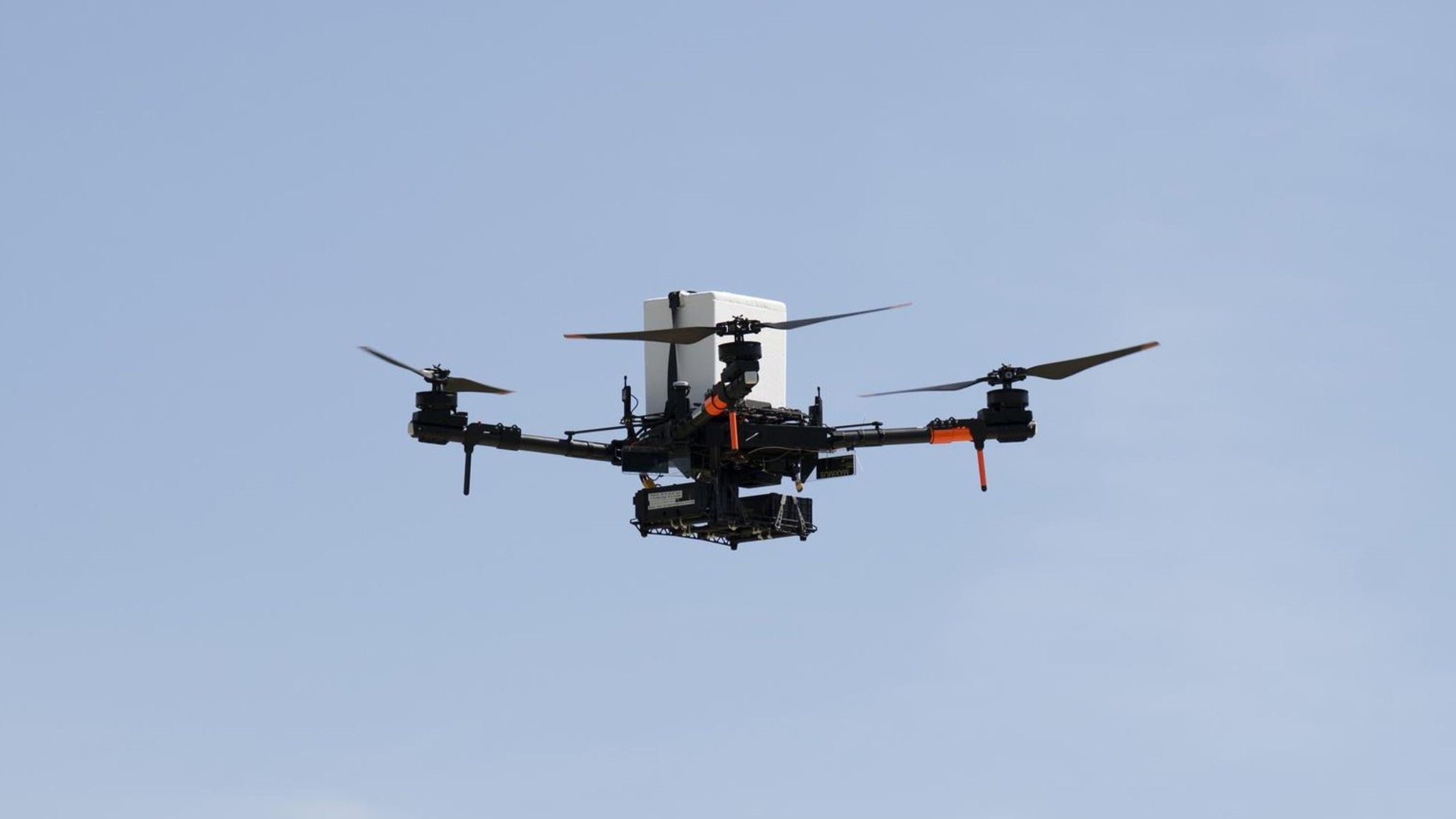
NASA conducted a first-of-its-kind test flight at Langley Research Center where a drone transported a human kidney beyond visual line of sight, demonstrating the potential for drone-based organ delivery to transplant patients. The test used a kidney not viable for transplant to evaluate the concept's feasibility, marking a significant step toward faster organ transport that could reduce transplant delays and save lives.
Source
 Twitter / XNASA tests drone delivery of human kidney beyond visual line of sight for transplant transportspace.com
Key quotes
· 3 pulledNASA researchers conduct the first-of-its-kind organ transport drone test with a human kidney on June 5, 2026 at Langley Research Center in Hampton, Va.
A flight test earlier this month at NASA's Langley Research Center in Virginia saw a drone pick up a kidney and fly it for the first time beyond 'line of sight'
Keeping a line of sight on a drone is a typical requirement for flight safety, but NASA is developing
You might also wanna read

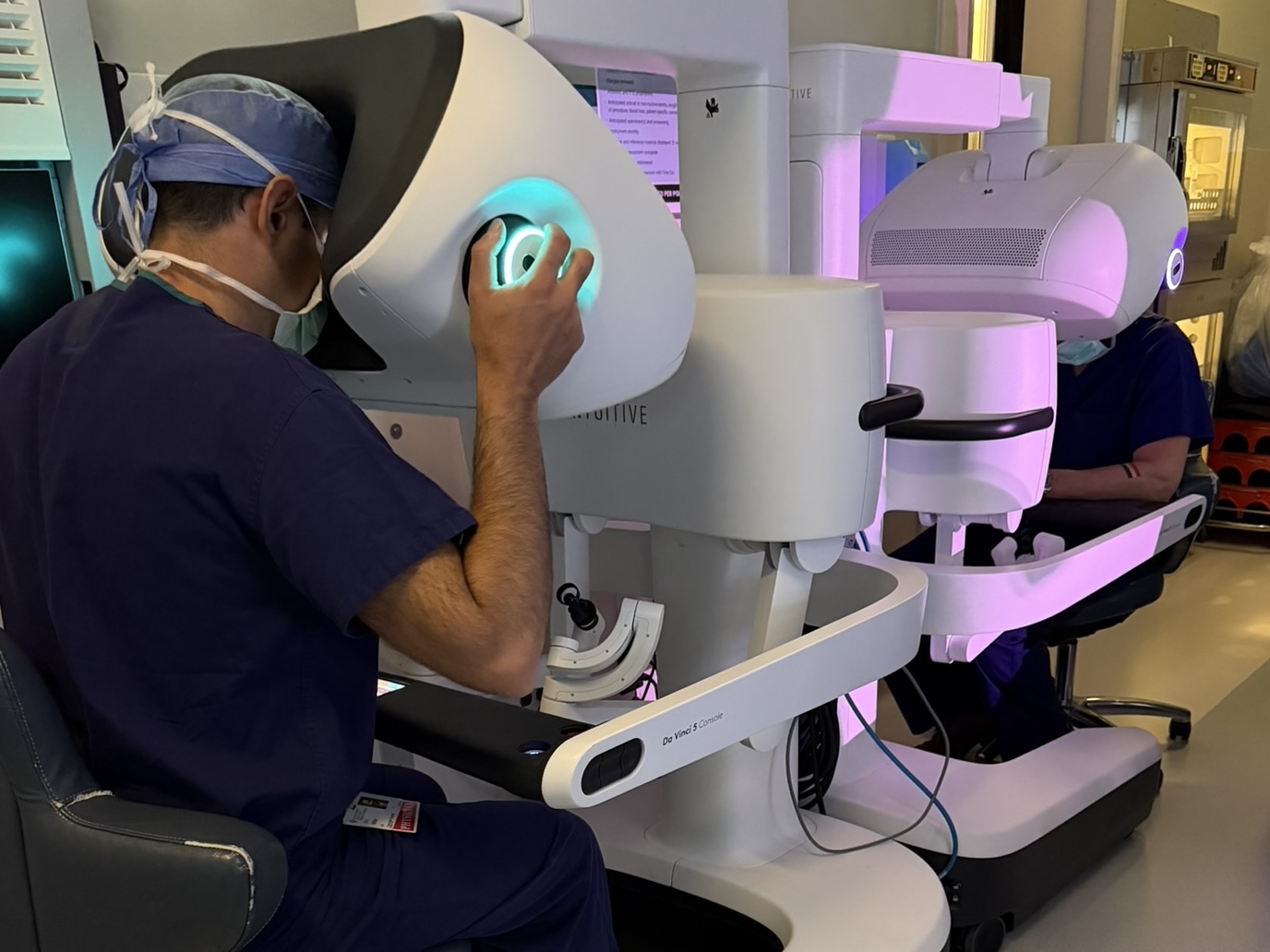
Sutter Health completes first fully robotic living-donor kidney transplant at CPMC San Francisco
Sutter Health's California Pacific Medical Center in San Francisco performed its first fully robotic living-donor kidney transplant using th
 vitals.sutterhealth.org·12d ago
Boeing's Q4S Payload Demonstrates Leading Entanglement Swapping Performance in Space-Grade Ground Tests
Boeing has successfully demonstrated high-fidelity entanglement swapping during ground testing of its compact Q4S payload designed for space
 quantumzeitgeist.com·17d ago
Researchers develop bee-inspired drone navigation system using just 42 KB of memory
Researchers at Delft University have developed a drone navigation system inspired by honeybee biology. Honeybees can travel up to 2 miles fr
 newatlas.com·27d ago
Researchers develop bee-inspired drone navigation system using just 42 KB of memory
Researchers at Delft University have developed a drone navigation system inspired by honeybee biology. Honeybees can travel up to 2 miles fr
newatlas.com·27d ago
Chinese research team develops HG-STR algorithm for autonomous drone swarm targeting
Chinese researchers have developed a new algorithm called HG-STR (Heterogeneous Graph Spatio-Temporal Reasoning) that enables drone swarms t
 scmp.com·1mo ago
Study evaluates procurement biopsy and machine perfusion for kidney transplant outcome prediction using OPTN database
This retrospective cohort study analyzed data from the Organ Procurement and Transplantation Network database (2014-2022) to evaluate how pr

TU Delft's Autonomous Drone Triumphs Over Human Champions in Historic Racing Event
An autonomous drone developed by TU Delft has defeated human champions in a historic racing event, showcasing the advancement of drone techn
tudelft.nl·1y ago
Comments
Sign in to join the conversation.
No comments yet. Be the first.