
























How Optimization Became a Social Philosophy — and What It Costs Us
By
Phil Tinline
Summary
This article explores how optimization — originally a mathematical tool for solving logistical problems — has evolved into a pervasive social philosophy that shapes modern life. Through the lens of "social optimization," the piece examines how metrics, algorithms, and efficiency-driven thinking have infiltrated everything from sleep and exercise to diet and personal schedules. The author critiques this cultural shift, arguing that the relentless pursuit of optimal outcomes can strip life of spontaneity, meaning, and human nuance. The article draws on historical context, expert commentary (notably from a thinker named Tinline), and cultural analysis to trace optimization's journey from engineering and operations research into the fabric of everyday existence.
Source

 bskyHow Optimization Became a Social Philosophy — and What It Costs Ustheideasletter.org
Key quotes
· 3 pulledYou awake to the sun rising, glance at the tracker on your wrist. You smile at your high score: an optimal night's sleep.
Optimization began as a mathematical tool for solving complex logistical problems, but, according to Tinline, it has evolved into a broader social philosophy.
Social optimization holds that society itself can…
You might also wanna read


Ideas Are Cheap, Judgment Is Expensive: How Design Moved to Systems and Code
Pavel Bukengolts reflects on how the design industry has fundamentally shifted from idea-centric work to systems-centric work. He argues tha
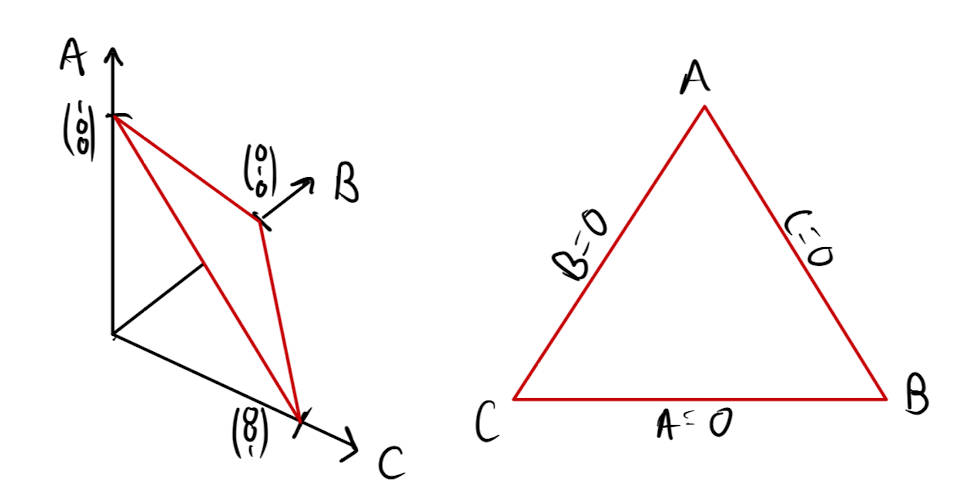
Reflecting on Optimisation: A Personal Take on Theory vs. Modern Practice
Magnus Ross reflects on his lack of deep study in optimisation, admitting he knows the basics (Adam, AdaGrad, L-BFGS) but zones out when dis

The Hidden Reality of Algorithmic Control in Daily Life
The article examines how artificial intelligence and digital algorithms are already deeply manipulating and regulating our daily lives, ofte
 slavoj.substack.com·7mo ago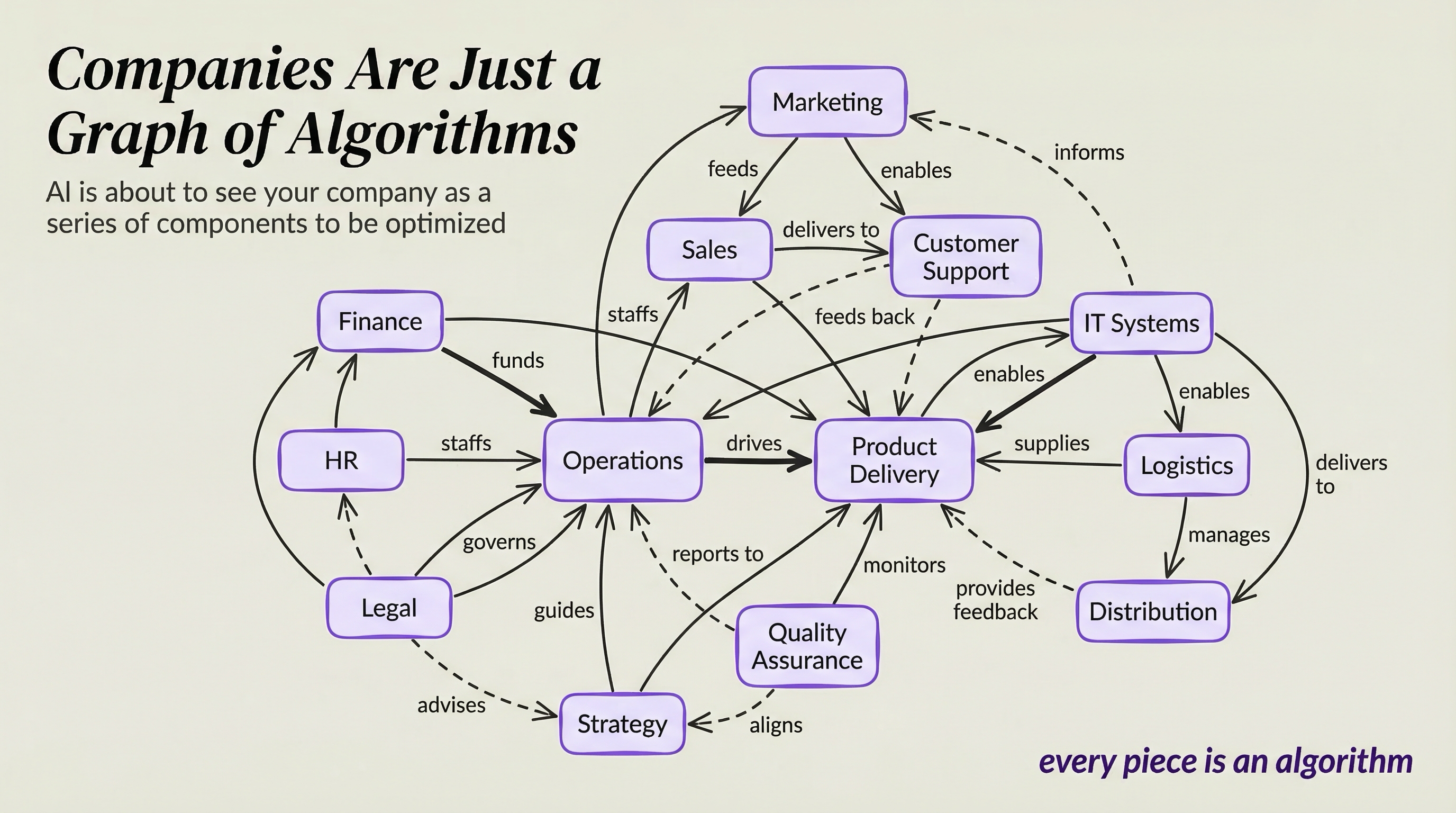
Why Companies Are Collections of Algorithms—and How AI Will Optimize Them
The article argues that companies are fundamentally collections of algorithms—processes, workflows, and decision-making systems—and that AI
 danielmiessler.com·1mo ago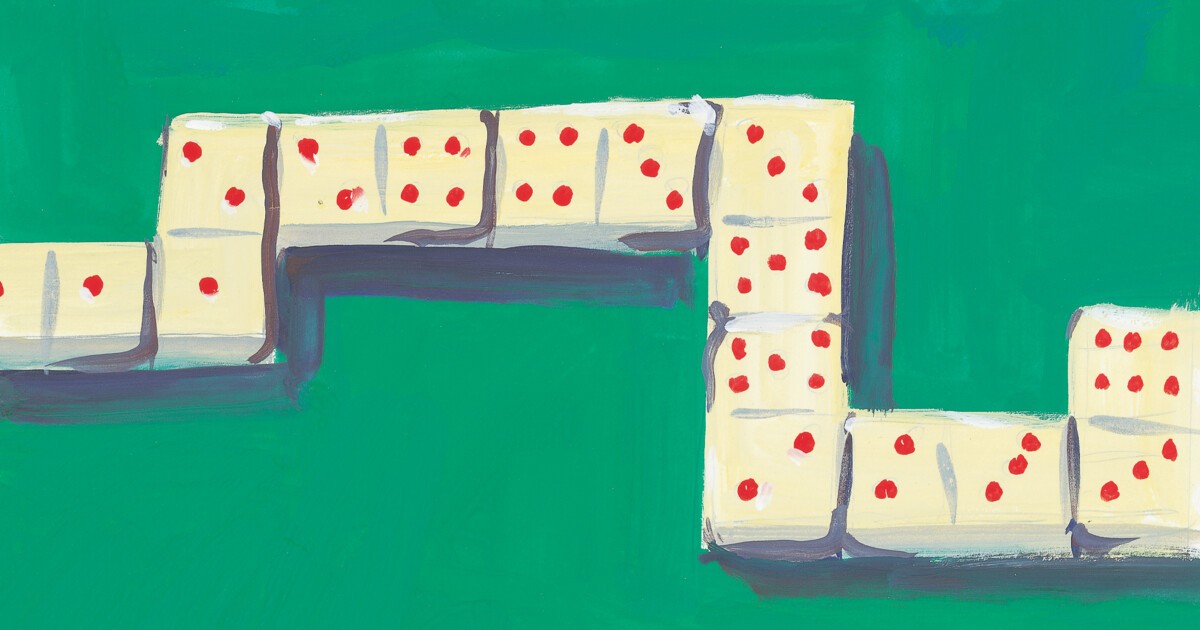
The Hidden Costs of Gamification: How Scoring Systems Reshape Daily Life
David Runciman reflects on the gamification of daily life, starting with his morning word puzzle routine and expanding into a broader critiq
 lrb.co.uk·1mo ago
How AI-Driven Hiring Shifts the Burden to Job Seekers — and Why Local-First Tools Can Help
The article critiques how AI has been rapidly adopted in hiring processes, leaving job seekers struggling to navigate opaque algorithmic sys
Comments
Sign in to join the conversation.
No comments yet. Be the first.