
























Human DNA successfully recovered from ancient cave paintings for the first time
By
Tom Metcalfe
Summary
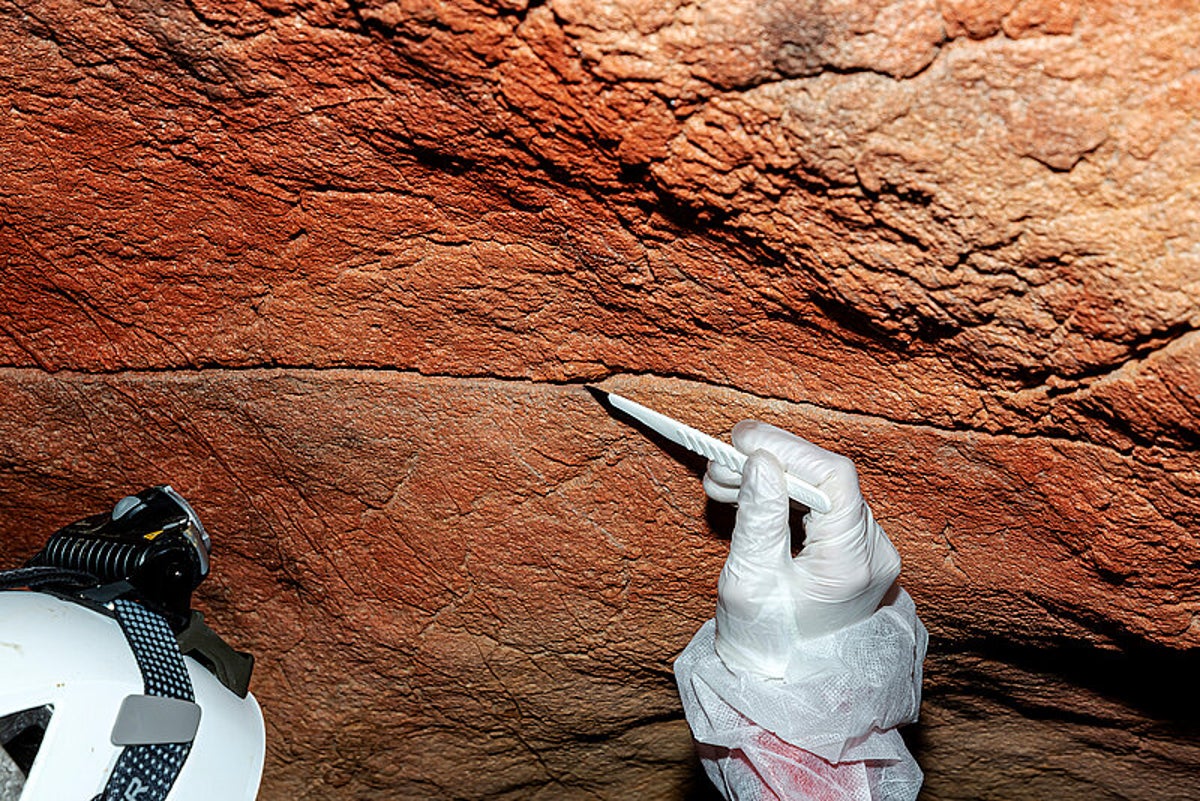
Scientists have, for the first time, successfully recovered human DNA from ancient cave paintings. The breakthrough, focused on caves in Spain and Portugal, could transform caves into 'genetic archives' that reveal more about the prehistoric people who created the artwork. The technique has potential applications worldwide, with the best-preserved DNA samples allowing researchers to investigate the genetic ancestry of ancient artists.
Source
 Twitter / XHuman DNA successfully recovered from ancient cave paintings for the first timespklr.io
Key quotes
· 1 pulledThe samples with better DNA, which allowed us to look into their genetic ancestry—th
You might also wanna read
Prehistoric cave discoveries hint at shared culture between Neanderthals and humans
Ancient DNA reveals the mysterious collapse of Europe's megalith builders


Proteins from 400,000-year-old Homo erectus teeth reveal genetic links to Denisovans and modern humans
A new study published in Nature reveals that researchers have successfully extracted and analyzed proteins from the enamel of six Homo erect
 doi.org·19d ago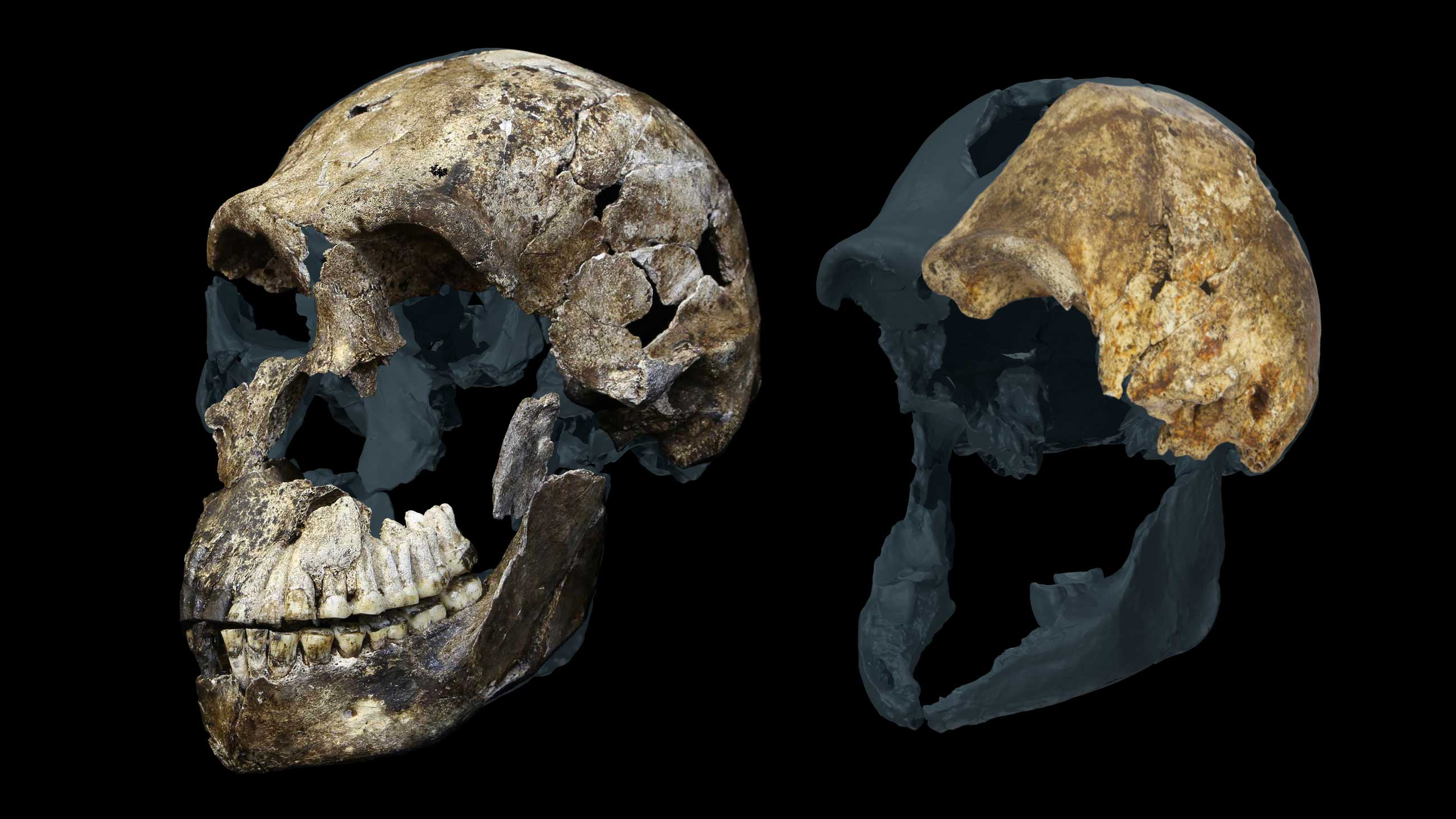
Genetic analysis of Homo naledi skeletons reveals all known specimens are female, puzzling researchers
Archaeologists have conducted the first genetic analysis of Homo naledi, a 300,000-year-old hominin species discovered in South Africa's Ris
 livescience.com·14d ago
David Reich's Genetics Lab Rewrites Human History Through Ancient DNA Analysis
The article profiles David Reich's ancient genetics lab at Harvard Medical School, which is revolutionizing our understanding of human histo
 laphamsquarterly.org·10mo ago
Ancient protein analysis reveals all 20 Homo naledi skeletons in South African cave were female
Scientists analyzing ancient proteins from tooth enamel of 20 Homo naledi individuals found in the Rising Star Cave system in South Africa d
 science.org·13d ago
Comments
Sign in to join the conversation.
No comments yet. Be the first.