
























England's Generation Study plans to sequence 100,000 babies' DNA for disease screening and research
By
The Economist
Summary
The article discusses the Generation Study in England, a programme that plans to sequence the complete genetic code of 100,000 babies to screen for genetic diseases and boost medical research. It uses the case of Freddie, a baby diagnosed early with retinoblastoma thanks to the programme, as an example. Similar trials are underway in America and Australia.
Source

 Twitter / XEngland's Generation Study plans to sequence 100,000 babies' DNA for disease screening and researcheconomist.com
Key quotes
· 3 pulledShortly after Freddie was born in April 2025, he was diagnosed with retinoblastoma, a rare form of eye cancer.
Freddie is part of the Generation Study, an English programme which plans to sequence the complete genetic code of 100,000 babies.
The idea is both to screen them for genetic diseases and to use the collected genomic data to boost medical research in future.
You might also wanna read

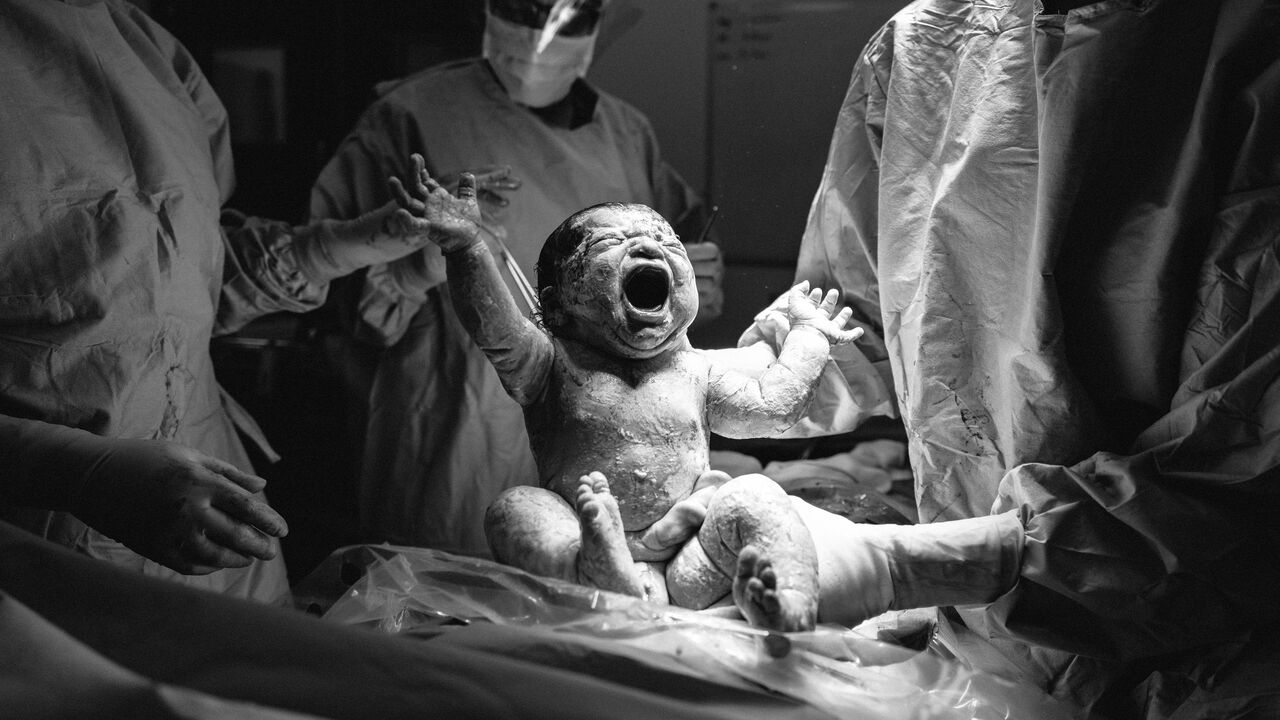
The case for and against universal newborn DNA sequencing
A brief article about Freddie, a baby diagnosed with retinoblastoma (eye cancer) at four weeks old, who was successfully treated with chemot
economist.com·4d agoThe case for and against universal newborn DNA sequencing
A brief article about Freddie, a baby diagnosed with retinoblastoma (eye cancer) at four weeks old, who was successfully treated with chemot
The Economist·4d ago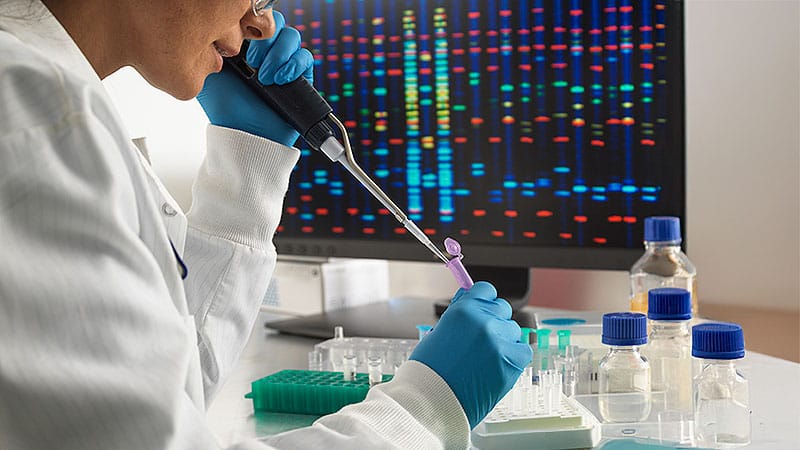
UK Government Invests £4.75 Million in ME/CFS Genomic Sequencing Study
The UK government has invested £4.75 million in the SequenceME programme, a genomic sequencing study of ME/CFS that will sequence the comple
 medscape.com·8d ago
New tissue preservation technique could triple NHS genetic testing access for cancer patients
A new technique for preserving tissue samples, pioneered in Cambridge, could significantly expand access to Whole Genome Sequencing (WGS) on
 bbc.co.uk·15d ago
New blood test detects thousands of genetic conditions in foetuses using maternal DNA fragments
Scientists have developed a new maternal blood test that can detect thousands of serious genetic conditions in a developing foetus by analyz
 theguardian.com·21d ago
Germline Testing in Pediatric High-Grade Gliomas Reveals Cancer Predisposition Variants, Supporting Routine Diagnostic Integration
This retrospective study from Bambino Gesù Children's Hospital in Rome investigated the link between pediatric high-grade gliomas (PHGGs) an

DNA studies reveal complex migration history in Britain beyond traditional Anglo-Saxon, Celtic, and Viking narratives
Population genomics studies reveal that Britain's genetic history is far more complex than traditional narratives of Anglo-Saxons, Celts, an
 theconversation.com·1mo ago
Comments
Sign in to join the conversation.
No comments yet. Be the first.