
























New tissue preservation technique could triple NHS genetic testing access for cancer patients
By
Janine Machin
Summary
A new technique for preserving tissue samples, pioneered in Cambridge, could significantly expand access to Whole Genome Sequencing (WGS) on the NHS. Currently available for all children with cancer (up to age 25) and adults with certain cancers (advanced ovarian, triple negative breast, some sarcomas, blood cancers), this method could treble the number of patients eligible for genetic testing. The approach aims to improve cancer outcomes by enabling more personalized treatment decisions based on genetic profiling.
Source

 bskyNew tissue preservation technique could triple NHS genetic testing access for cancer patientsbbc.co.uk
Key quotes
· 1 pulledmaking tests like this easier to access can only be a good thing
You might also wanna read


Living with a 100% cancer risk: One woman's story of a rare TP53 gene mutation
Tracy Hutchinson shares her personal story of living with a rare TP53 gene variant that gives her a 100% chance of developing cancer. After
 newscientist.com·2d ago
Method to reverse cellular ageing is about to be tested in humans

Childhood cancer control in Asia: challenges and opportunities in paediatric oncology
This Series published in The Lancet Child & Adolescent Health and eClinicalMedicine examines the challenges and opportunities for childhood

The case for and against universal newborn DNA sequencing
A brief article about Freddie, a baby diagnosed with retinoblastoma (eye cancer) at four weeks old, who was successfully treated with chemot
 economist.com·22h ago
Age engineering: Creating age-matched tissues for better biomedical models of ageing
This article discusses the emerging field of 'age engineering' or 'ageneering' — the methodological approach to engineering the age of tissu
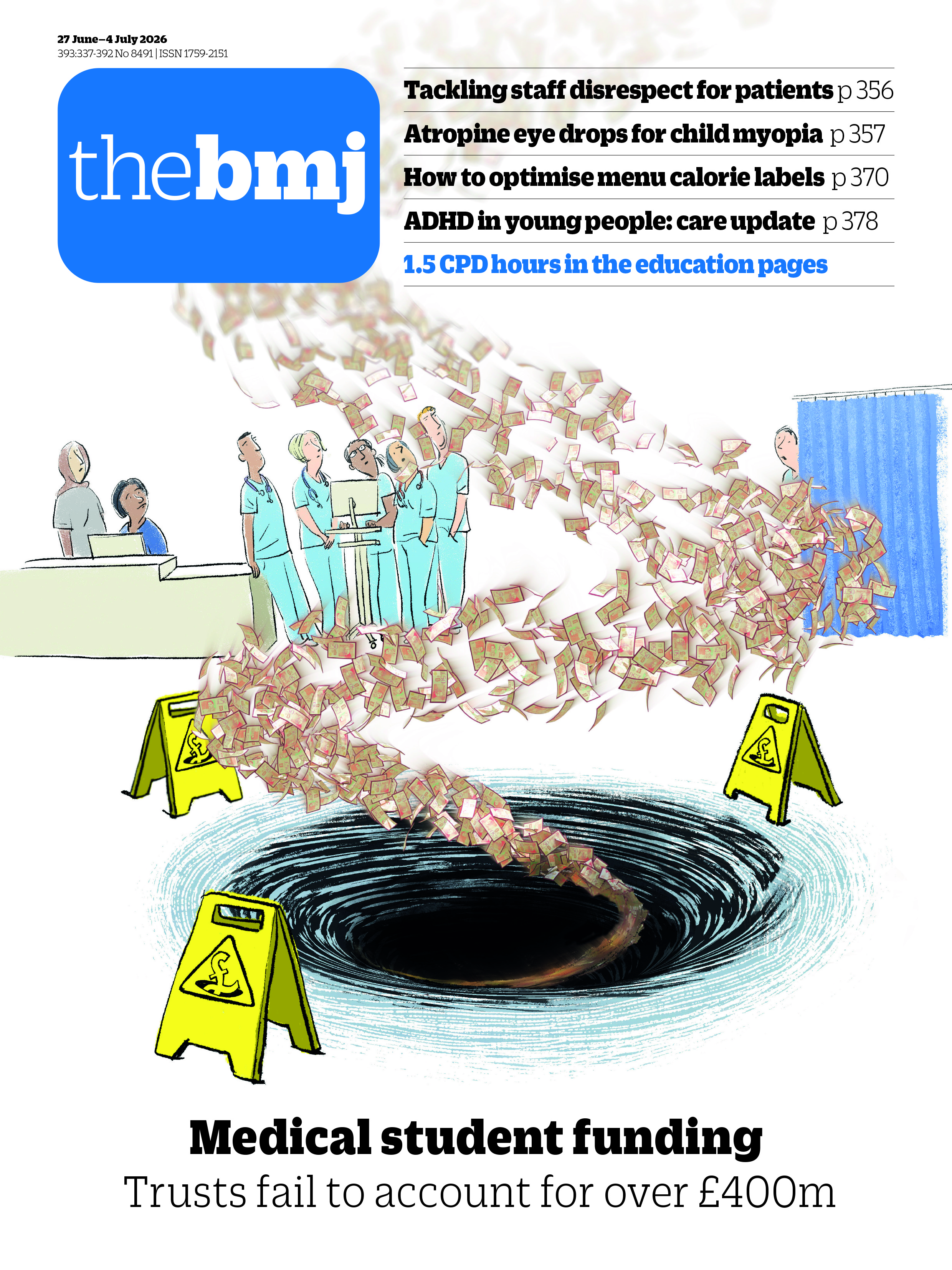
Critics question consent, clinical utility, and industry influence in UK's Our Future Health programme
The BMJ investigates concerns about the UK's Our Future Health (OFH) programme, the country's largest ever health research initiative with 1
 bmj.com·5d ago
Comments
Sign in to join the conversation.
No comments yet. Be the first.