
























Hubble Captures Sparkling Globular Cluster NGC 6723 (The Chandelier Cluster)
By
Andrea Gianopoulos
Summary
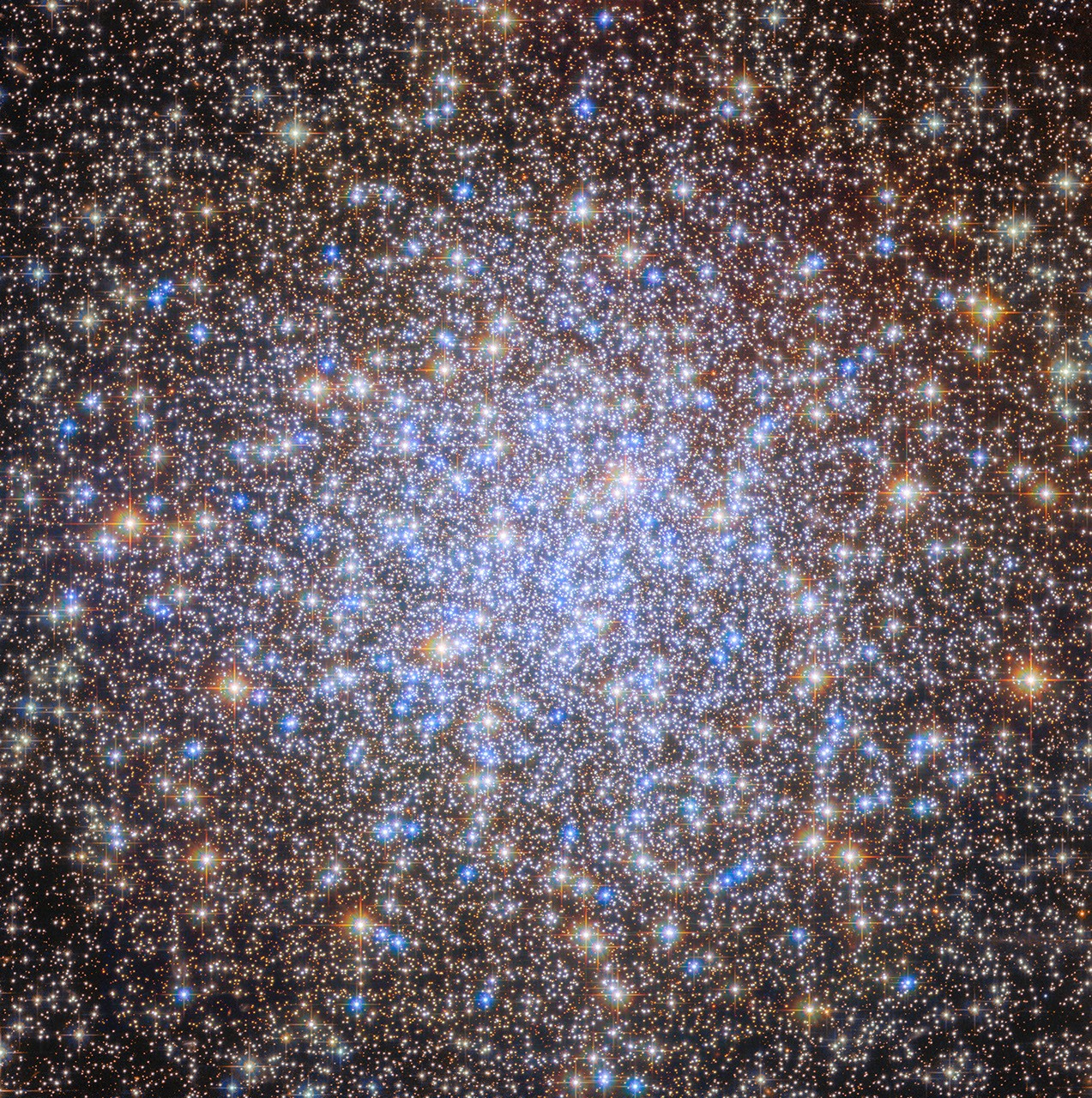
NASA/ESA's Hubble Space Telescope captures an image of NGC 6723, also known as the Chandelier Cluster — a globular cluster in our galaxy containing tens of thousands to millions of stars bound together by gravity. The article describes the cluster's ancient nature, its sparkling appearance, and notes that over 150 such globular clusters exist in our galaxy, with possibly more hidden from view.
Source
 Twitter / XHubble Captures Sparkling Globular Cluster NGC 6723 (The Chandelier Cluster)go.nasa.gov
Key quotes
· 3 pulledThis sparkling scene features a globular cluster: a collection of tens of thousands to millions of stars, all tightly bound together under the influence of gravity.
There are more than 150 globular clusters in our galaxy, though there may be others still undiscovered, hidden from view by dust or densely packed fields of stars.
This globular cluster, NGC 6723, sometimes called the Chandelier Cluster, is much like its namesake because it sparkles with countless lights.
You might also wanna read


Hubble Captures Galaxy Cluster MACS0329-0211 With Gravity-Warped Light Forming Figure-Eight Shape
NASA's Hubble Space Telescope has captured a stunning image of MACS0329-0211, a massive galaxy cluster whose immense gravity warps and bends
 news.bitcoin.com·14d ago
NASA’s Hubble Spies Stellar Sparkler for July 4th
NASA’s Hubble Spies Stellar Sparkler for July 4th
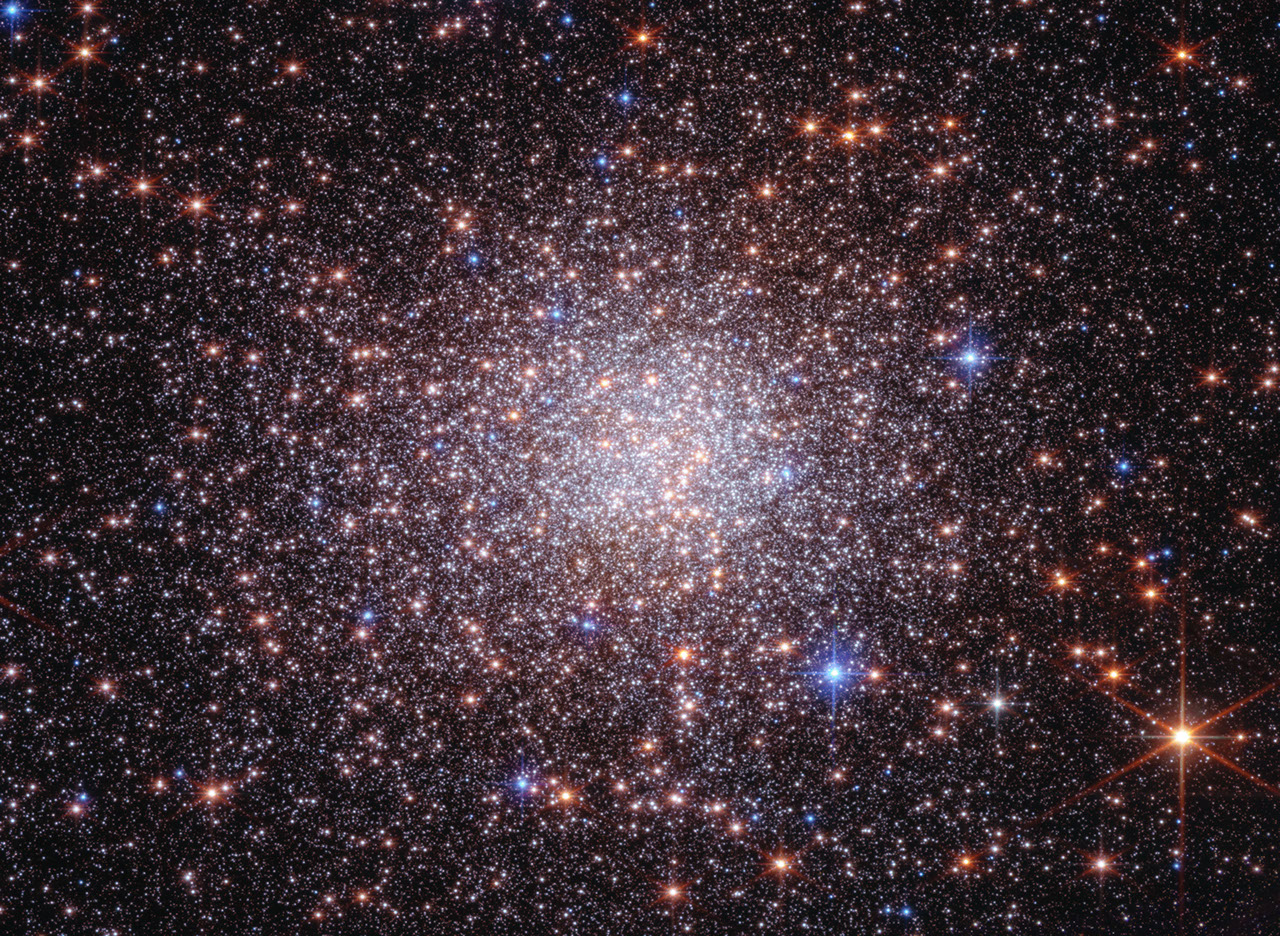
NASA's Webb and Hubble Telescopes Reveal Terzan 5 Is Not a Globular Cluster, Offering New Galaxy Formation Insights
Researchers using NASA's James Webb and Hubble Space Telescopes have reclassified Terzan 5, previously thought to be a globular star cluster
science.nasa.gov·15d ago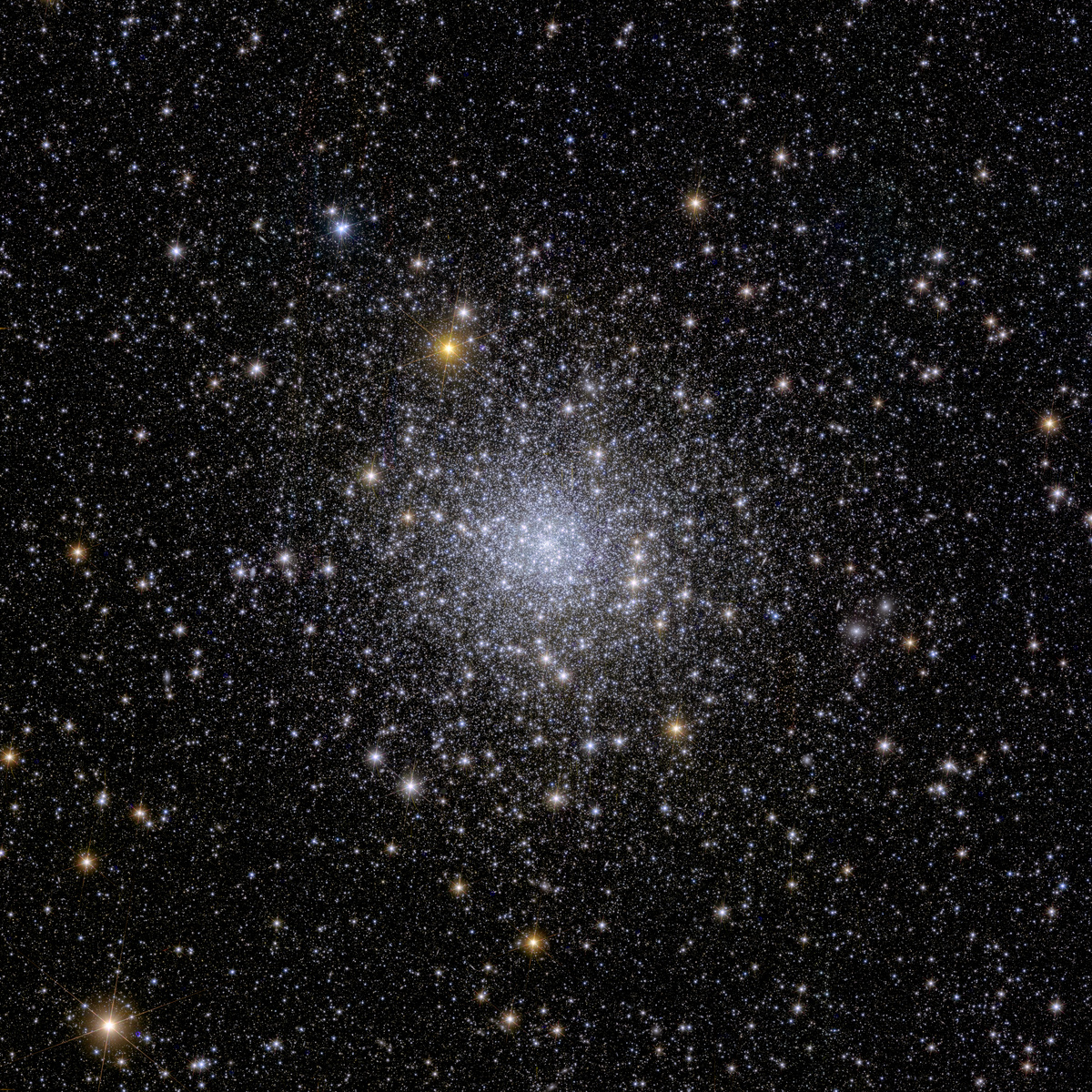
Euclid telescope captures detailed image of globular cluster NGC 6397 revealing brightness gap
The article discusses the Euclid space telescope's image of globular cluster NGC 6397, highlighting a brightness "gap" feature observed in t
 stsci.edu·1mo ago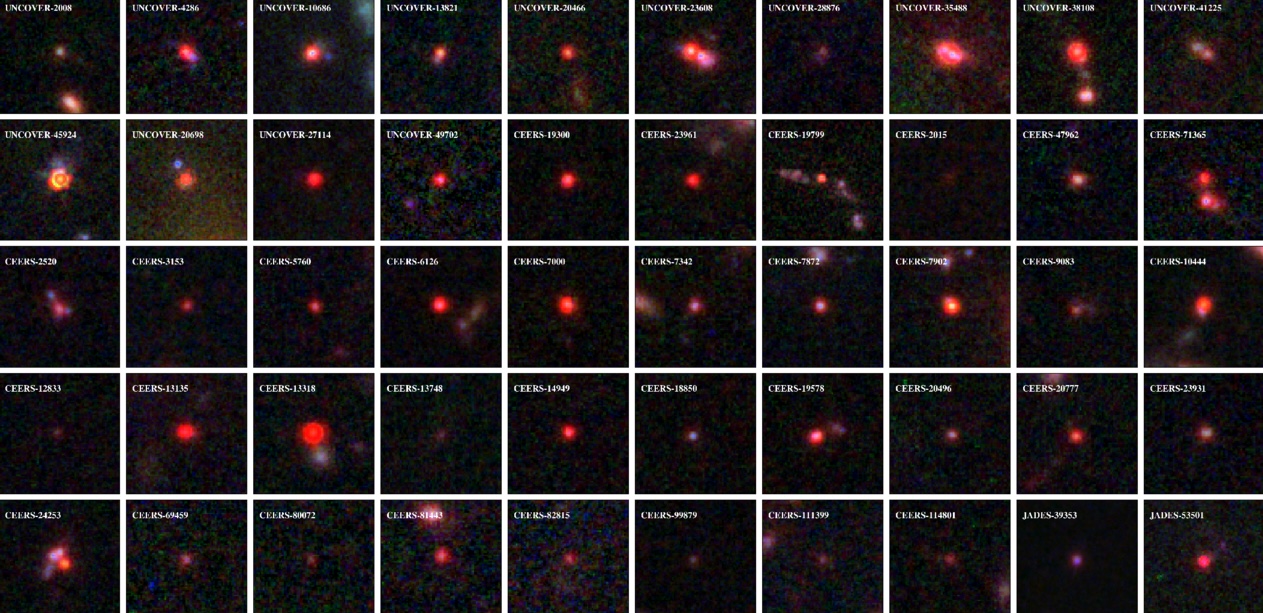
JWST's Little Red Dots: New Research Explores Whether They Are Young Globular Clusters or Objects with Blue Companions
JWST's discovery of compact reddish objects called "little red dots" has sparked scientific debate about their nature. This article examines
 aasnova.org·3d ago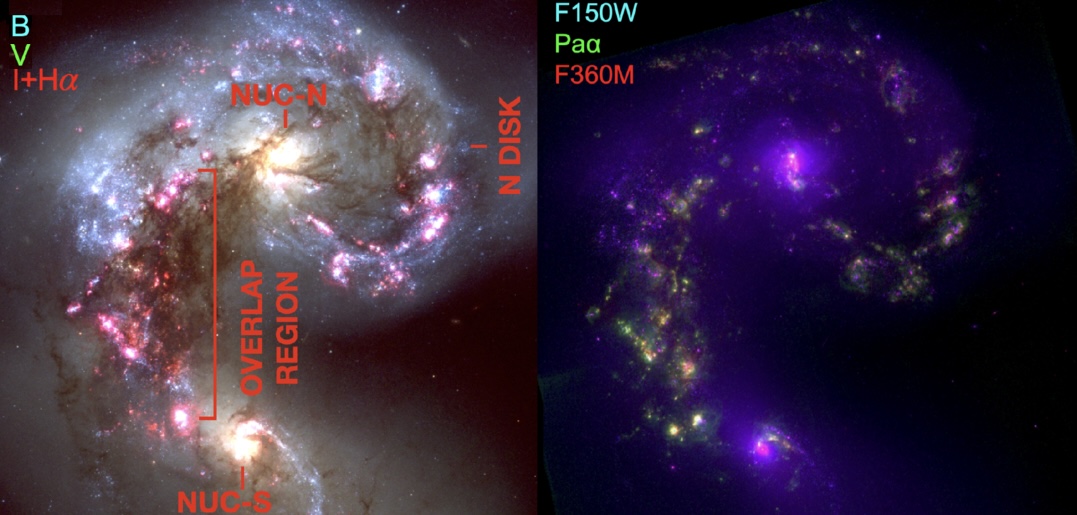
JWST Reveals Massive Young Star Clusters Hidden in the Antennae Galaxies
Using JWST's infrared capabilities, researchers led by Rupali Chandar studied the Antennae galaxies to identify massive young star clusters
aasnova.org·1mo ago
Comments
Sign in to join the conversation.
No comments yet. Be the first.