
























Simulations suggest marine cloud brightening could weaken extreme El Niño events
Scientists have proposed using marine cloud brightening — adding aerosols to the atmosphere over a specific region of the Pacific Ocean to increase and brighten clouds — as a potential geoengineering technique to reduce the strength of El Niño events and their associated weather extremes. New computer simulations published in Science Advances suggest this approach could trigger atmospheric changes that weaken extreme El Niños. The research, sparked by observations of fires, shows promise but also carries potential risks.
Key quotes
Adding aerosols to the atmosphere over a particular patch of the Pacific Ocean can increase and brighten clouds in the region, creating a cooling effect.
New computer simulations show this can trigger atmospheric changes that might reduce the strength of an El Niño event — and the weather extremes that come along with it.
The idea was sparked by fires, says Jessica Wan, a climate scientist now at the University of Chicago.
You might also wanna read

Could cloud brightening off South America weaken a developing El Niño? Scientists weigh risks and ethics
The article examines the controversial proposal of using solar geoengineering — specifically marine cloud brightening off the coast of South
 scientificamerican.com·17h ago
A popular climate fix could accidentally trigger massive changes to global weather
Could geoengineering work to tamp down super El Niños?

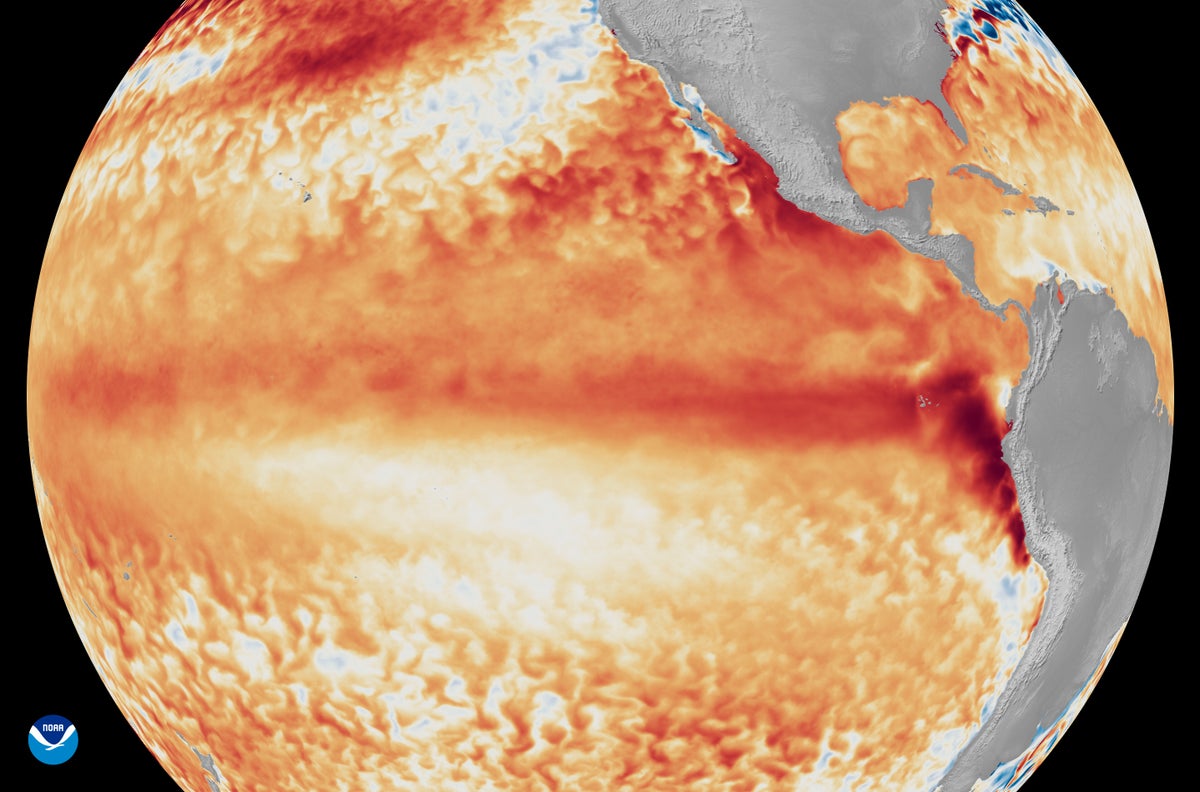
NOAA confirms El Niño formation, scientists warn of historic strength and extreme weather impacts
NOAA has confirmed the formation of El Niño in the Pacific Ocean, with meteorologists warning it could reach historic strength. The natural
 euronews.com·27d ago
Indonesia braces for peatland fires as strong El Niño looms
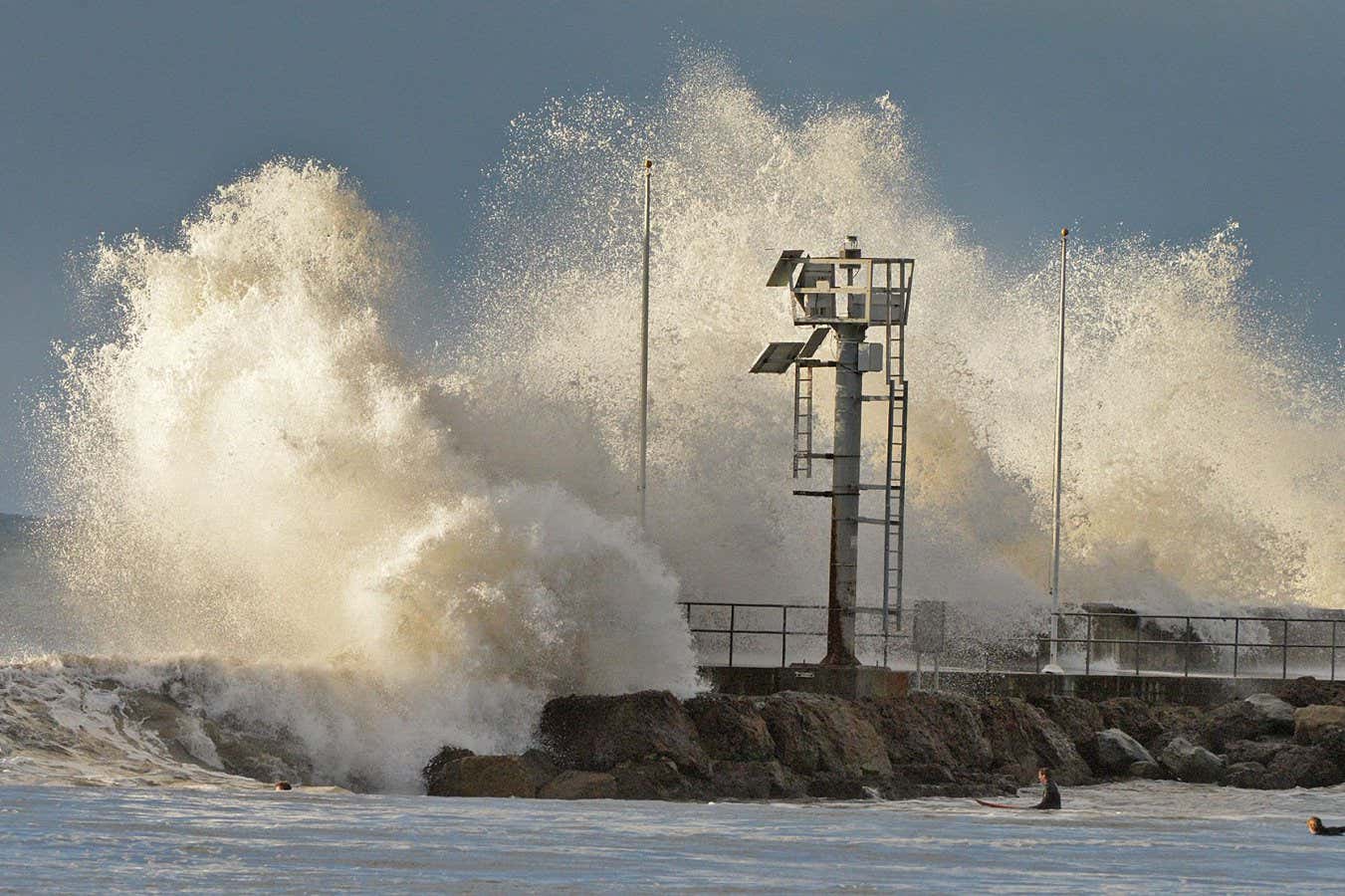
Climate change will amplify future El Niño impacts regardless of current event's strength
There is an 80% chance of an El Niño developing by September, with most models forecasting a moderate event but some suggesting a potential
 newscientist.com·1mo ago
Comments
Sign in to join the conversation.
No comments yet. Be the first.