
























Supreme Court backs Bayer and Trump, limiting Americans’ right to sue over pesticide harms
By
Anthony Lacey
12d agoen
Source
Environmental Working GroupSupreme Court backs Bayer and Trump, limiting Americans’ right to sue over pesticide harmsewg.orgSupreme Court backs Bayer and Trump, limiting Americans’ right to sue over pesticide harms Anthony Lacey June 25, 2026 WASHINGTON – In a decision that will reverberate far beyond a single lawsuit, the Supreme Court today handed toxic agricultural chemical makers a sweeping victory that threatens states’ ability to protect people from harmful pesticides. The 7-2 ruling, by Justice Brett Kavanaugh, accepts chemical giant Bayer-Monsanto’s argument that federal pesticide labeling law blocks peoples’ ability to file lawsuits under state law claiming that pesticide makers’ products could cause cancer. The court gives companies a powerful shield for avoiding accountability for the health harms their products cause. The decision undermines the rights of Americans harmed by corporate misconduct to seek justice in court, as noted in a dissent by Justice Ketanji Brown Jackson and joined by Justice Neil Gorsuch: “Ultimately, the effect of the majority’s interpretation is both remarkable and regrettable, for it unjustifiably closes the courthouse doors to state tort plaintiffs . . .” The decision threatens to extinguish thousands of pending lawsuits – and to block countless future cases – by people who might have developed cancer and other serious illnesses after being exposed to pesticides. Those harmful chemicals include Bayer’s signature Roundup herbicide, which contains the active ingredient glyphosate. “This case was never just about Bayer,” said Environmental Working Group President and co-founder Ken Cook . “It was about whether states retain the authority to provide stronger protections for their residents when federal regulations fall short, and whether ordinary Americans can hold powerful corporations accountable when their pesticides cause harm.” Trump backed Bayer’s claims This Supreme Court has repeatedly tilted toward corporate interests in high-stakes environmental and public health cases. The decision also comes after an extraordinary coordinated effort by the Trump administration to put its thumb on the scale for Bayer . The administration intervened at every turn, pushing the court to side with Bayer at the expense of the many Americans harmed by toxic agricultural chemicals – and against American consumers, farmers, farmworkers, groundskeepers and others seeking their day in court. The Justice Department’s Office of the Solicitor General filed briefs urging the Court to take up the case, endorsing Bayer’s sweeping preemption argument. That argument claims the Environmental Protection Agency’s approval of a pesticide label should provide permanent immunity for manufacturers from lawsuits people file under state law – no matter what evidence might later emerge about the harms resulting from a chemical exposure President Donald Trump doubled down on his support for pesticide makers by signing an executive order in February to boost the production of glyphosate. That order ignited a rebellion among many in the Make America Healthy Again movement. Some followers had been swayed to support Trump during the 2024 presidential campaign when he and Robert F. Kennedy Jr., now Health and Human Services Secretary, pledged to crack down on the use of toxic pesticides like glyphosate. “The Trump administration didn’t sit on the sidelines – it lobbied the Supreme Court to strip Americans of their right to sue. And its tactics worked,” said Cook. “When a president uses the vast power of the federal government to protect a pesticide company from accountability – instead of the people he swore to serve – our system is no longer working for ordinary Americans,” he added. Limiting future lawsuits EWG and other environmental advocates argue the ruling will make it much harder for people exposed to hazardous crop chemicals to hold manufacturers accountable. The decision will inevitably shift power away from states that have traditionally played a key role in protecting public health. A growing body of peer-reviewed scientific evidence links widely used pesticides to a host of health harms, including cancers, birth defects, endocrine disruption, Parkinson’s disease, and infertility. The justices’ decision is a notable win for pesticide manufacturers in their yearslong coordinated effort to seek legal immunity for causing those harms. The decision is especially alarming given glyphosate’s ubiquity. It is the most widely used herbicide in the U.S. and the world, detected in the food supply and in the bodies of most Americans . The International Agency for Research on Cancer has classified it as a probable human carcinogen . Tens of thousands of people have sued Bayer-Monsanto, alleging their cancer diagnoses are linked to Roundup exposure – lawsuits that today’s ruling now puts in jeopardy. “The ultimate losers are the American people,” said Cook. “People who were exposed, workers who were never warned, consumers who trusted a label – they now have fewer tools to use to fight back. And the corporations responsible for that harm have more protection than ever.” Dangerous precedent Today’s ruling also creates a dangerous precedent that could extend far beyond pesticides, inviting other industries to argue that compliance with often weak and outdated federal regulations should shield them from stronger state consumer protection laws and civil liability. It is now up to Congress to rein in pesticide manufacturers and reform major pesticide laws to protect people before they are harmed. Congress should also move to amend the 1972 Federal Insecticide, Fungicide and Rodenticide Act to create a federal right of action for anyone who is harmed by a toxic pesticide. Lawmakers should also revise the Pesticide Registration Improvement Act to better protect communities, increase transparency, and provide more tools to regulators. States can also help by banning the most harmful pesticides, such as paraquat. Vermont in May became the first state to prohibit the use of the chemical, which is linked to greater risk of developing Parkinson’s disease. ### The Environmental Working Group is a nonprofit, non-partisan organization that empowers people to live healthier lives in a healthier environment. Through research, advocacy and unique education tools, EWG drives consumer choice and civic action. Visit for more information. Areas of Focus Pesticides Press Contact Alex Formuzis [email protected] (202) 667-6982 June 25, 2026
You might also wanna read


Supreme Court Gives Pesticide Corporations Immunity from Cancer Lawsuits
Radio Free·12d ago

Bayer/Monsanto Wins Roundup Case as Supreme Court Blocks Suit over Link Between Herbicide & Cancer
Radio Free·11d ago
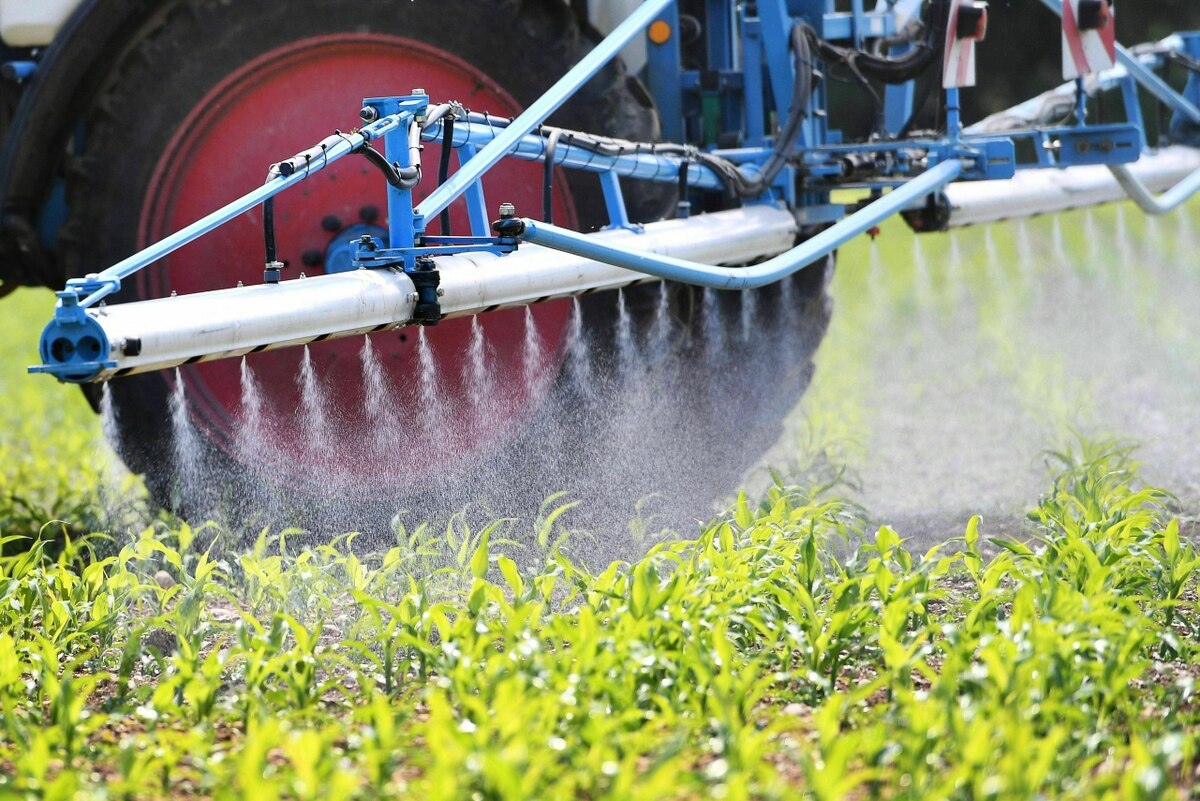
US Supreme Court rules in favor of Bayer in glyphosate jurisdiction dispute
The US Supreme Court ruled in favor of Bayer in the ongoing legal dispute over its glyphosate-based pesticide Roundup. The ruling did not ad
 taz.de·12d ago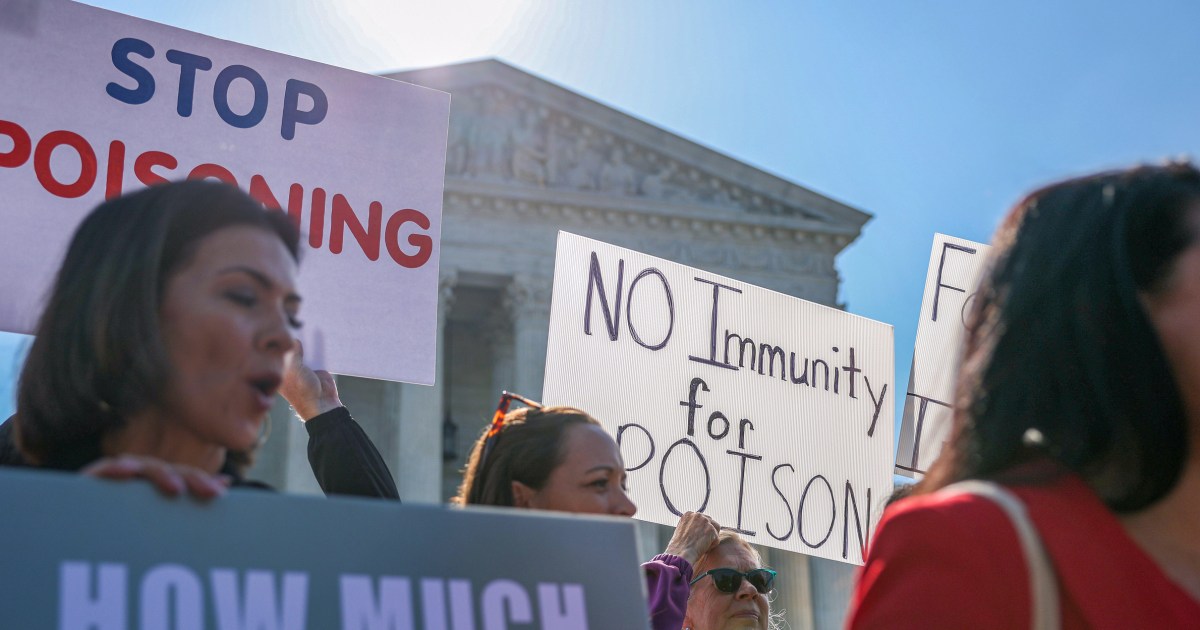
Supreme Court rules for Bayer, blocking thousands of Roundup cancer lawsuits
The Supreme Court ruled in favor of Bayer (maker of Roundup weedkiller), blocking thousands of lawsuits that alleged the company failed to w
 nbcnews.to·12d ago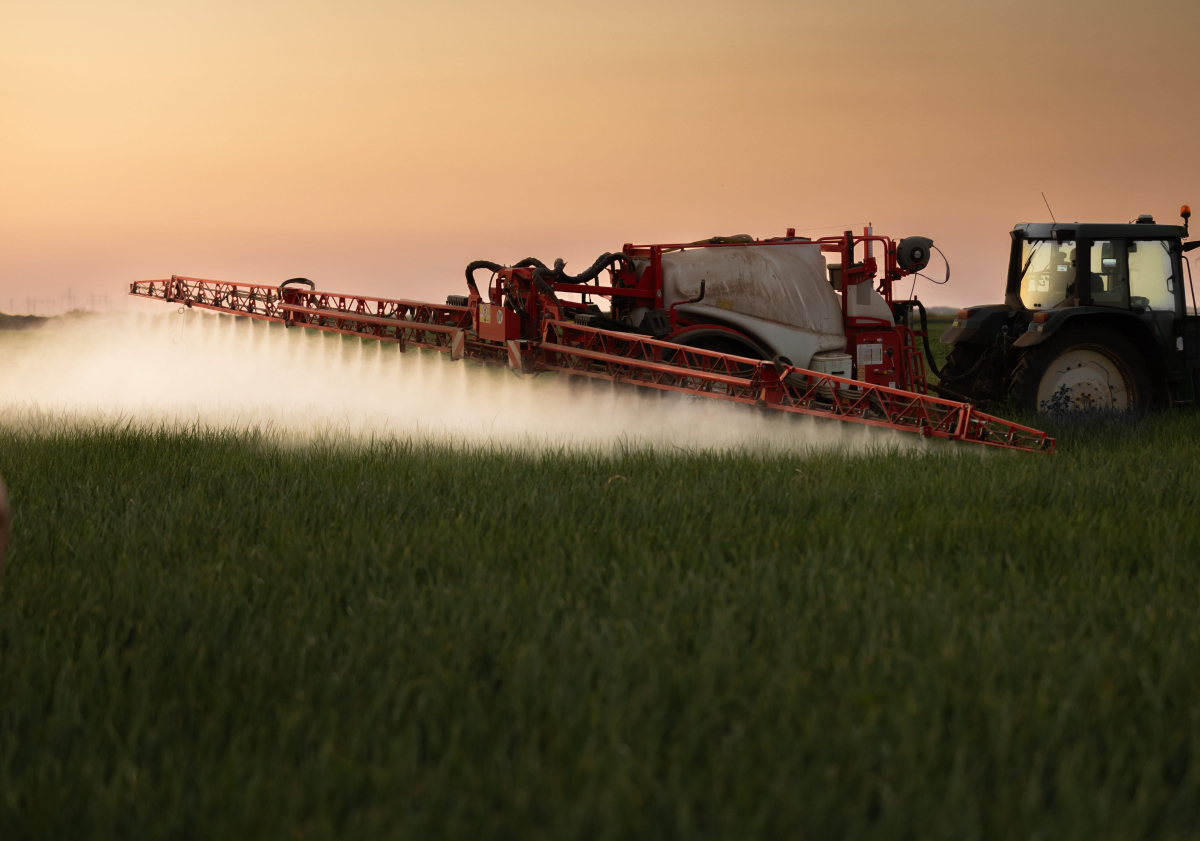
Supreme Court Rules Against Pesticide Warning Labels in Monsanto v. Durnell
The U.S. Supreme Court ruled 7-2 in Monsanto v. Durnell, siding with Monsanto (now Bayer) and eliminating the right of people to hold pestic
 centerforfoodsafety.org·12d ago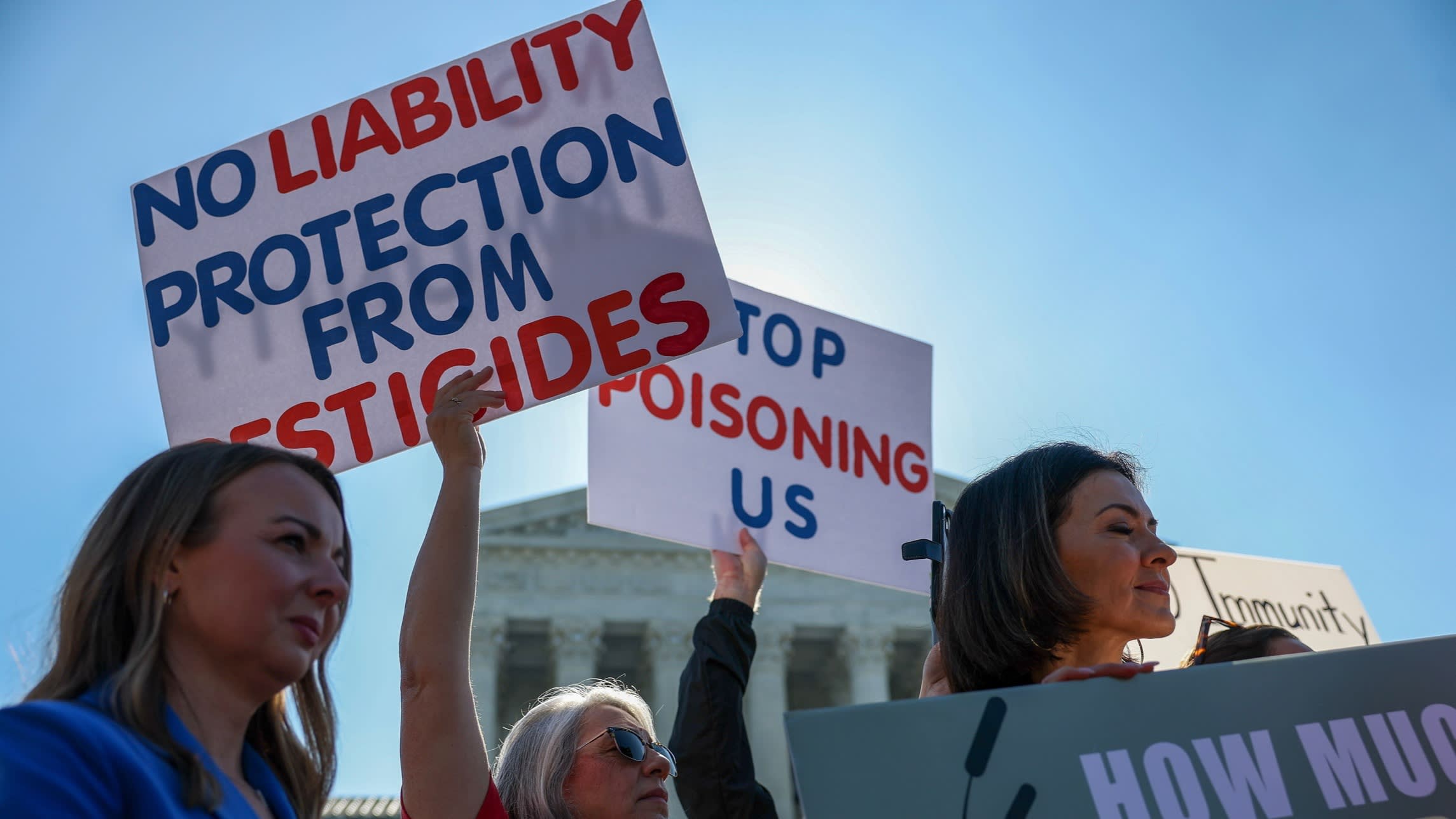
US high court hands Bayer crucial victory over Roundup weedkiller
 ft.trib.al·12d ago
Comments
Sign in to join the conversation.
No comments yet. Be the first.