
























McGill study finds sunscreen use linked to false sense of security, rising skin cancer rates
Summary
McGill University researchers have identified a "sunscreen paradox" where rising sunscreen use correlates with increasing melanoma and skin cancer rates. The problem is that people use sunscreen as a "permission slip" to tan, applying inadequate amounts and spending excessive time in the sun, creating a false sense of security. Two studies — one examining Canadian Atlantic provinces and another analyzing the UK Biobank — found that individuals with higher sun exposure tend to use more sunscreen but not enough to provide adequate protection. Researchers emphasize that sunscreen is the least effective form of sun protection compared to protective clothing, rash guards, and sun avoidance.
Source
 Twitter / XMcGill study finds sunscreen use linked to false sense of security, rising skin cancer ratesmcgill.ca
Key quotes
· 5 pulledThe problem is that people use sunscreen as a 'permission slip' to tan.
People think they are protected from skin cancer because they are using a product marketed to prevent a condition.
This gives them a false sense of security.
These combined findings suggest a sunscreen paradox, whereby individuals with higher levels of sun exposure also tend to use more but not an adequate quantity of sunscreen or other sun-protection measures, providing a false sense of security.
Sunscreen is important, but it is also the least effective way to protect your skin when compared to sun protective clothing, rash guards, and sun avoidance.
You might also wanna read


Controversial research argues sunscreen guidelines are unscientific and potentially harmful
This article challenges mainstream medical advice on sun exposure and sunscreen use, arguing that current guidelines are unscientific, unhea
 outsideonline.com·2d ago
Dermatologist debunks 5 common sunscreen misconceptions: Why daily protection matters for cancer prevention and anti-aging
A dermatologist, Dr. Adam Friedman, shares five key facts about sunscreen to clear up common misconceptions. The article emphasizes that sun
 cnb.cx·16d ago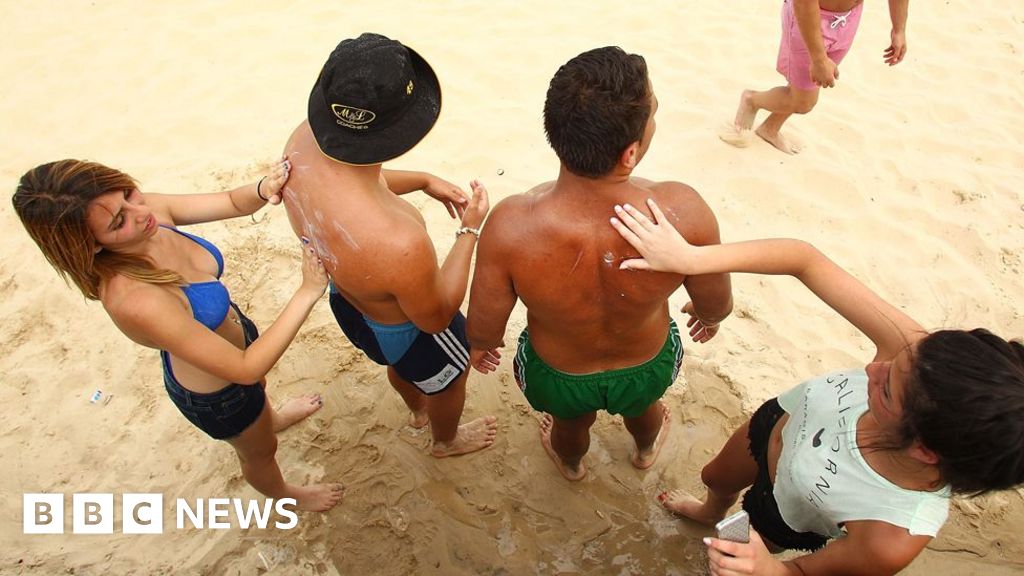
Australia's Sunscreen Protection Scandal Raises Concerns in Skin Cancer Capital
Australia is facing a major sunscreen scandal that has shaken consumer trust in the country with the world's highest skin cancer rates. The
 bbc.com·9mo ago
Study: Young Indoor Tanning Bed Users Show Genetic Damage Linked to Skin Cancer Risk
A groundbreaking study led by UC San Francisco and Northwestern University reveals that young indoor tanning bed users experience significan
 ucsf.edu·6mo ago
Consumer Council Finds Over 80% of Sunscreens Tested Fall Short of Labelled SPF and UVA Protection Claims
The Consumer Council tested 30 sunscreen models and found that over 80% performed below their labelled efficacy. 4 models had measured SPF b
 consumer.org.hk·9mo ago
UV Radiation: Health Risks, Protection Guidelines, and Sunscreen Recommendations
The article explains UV radiation levels, their associated dangers, and protective measures. It covers WHO-recommended sun protection guidel
 bbc.co.uk·8d ago
Comments
Sign in to join the conversation.
No comments yet. Be the first.