

























UV Radiation: Health Risks, Protection Guidelines, and Sunscreen Recommendations
By
Jennifer Clarke
Summary
The article explains UV radiation levels, their associated dangers, and protective measures. It covers WHO-recommended sun protection guidelines based on UV index levels (medium 3-5 to extremely high 11+), notes that children are more sensitive to UV than adults, and provides NHS advice on using SPF 30+ sunscreen with at least 4-star UVA protection applied to all exposed skin areas.
Source
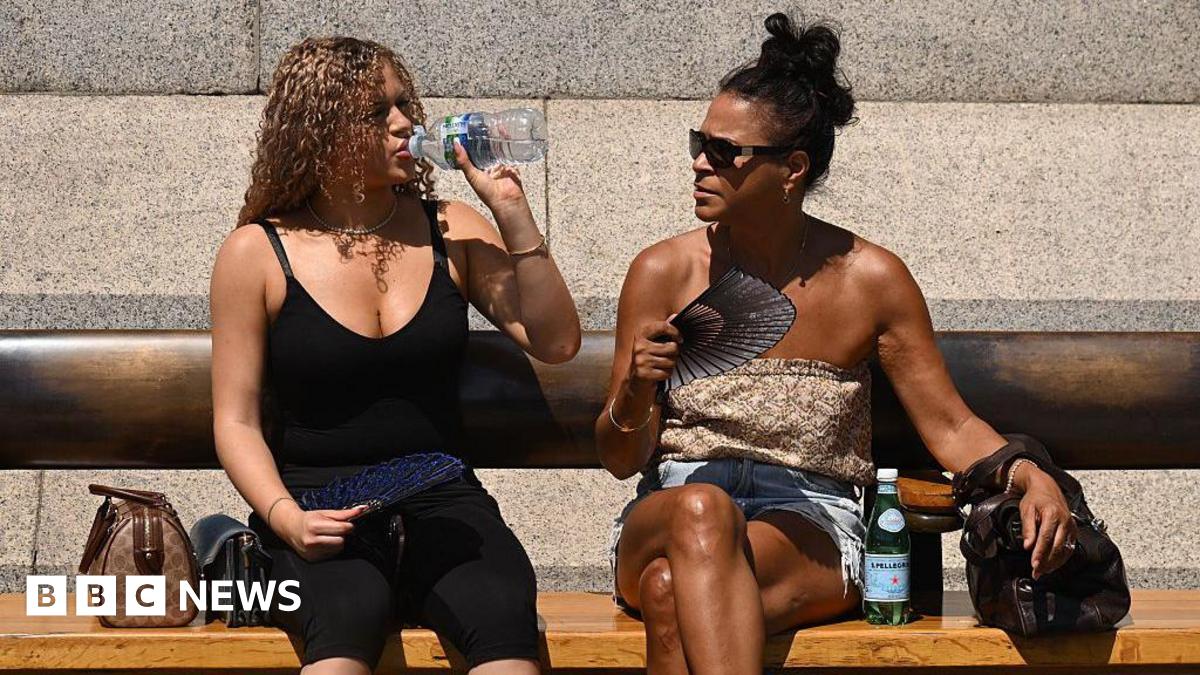
 bskyUV Radiation: Health Risks, Protection Guidelines, and Sunscreen Recommendationsbbc.co.uk
Key quotes
· 3 pulledChildren are more sensitive to UV radiation than adults, and therefore require additional protection at lower levels than adults.
The NHS advises using sunscreen with an SPF factor of 30 or above and which offers at least 4-star UVA protection.
Some UV exposure is essential for our wellbeing, but too much is damaging and can cause skin cancer.
You might also wanna read

Consumer Council Finds Over 80% of Sunscreens Tested Fall Short of Labelled SPF and UVA Protection Claims
The Consumer Council tested 30 sunscreen models and found that over 80% performed below their labelled efficacy. 4 models had measured SPF b
 consumer.org.hk·9mo ago
The Health Benefits of Moderate Sun Exposure
This article discusses the health benefits of moderate sun exposure, explaining that while too much sun can cause skin damage and health iss
 wb.md·3d ago
Dermatologist-Recommended Sunscreens for Mature Skin: Top Formulas Reviewed
A Vogue article reviewing the best sunscreens for mature skin, as recommended by dermatologists. It covers key ingredients to look for (like
 vogue.com·15h ago
Moderate Sun Exposure May Offer Health Benefits That Outweigh Skin Cancer Risks
The article discusses how moderate sun exposure may provide significant health benefits for heart and immune system function that could pote
 economist.com·9mo ago
The Best Tinted Sunscreens for Glowing, Protected Skin All Summer Long
 ELLE·14d ago
Australia's Sunscreen Protection Scandal Raises Concerns in Skin Cancer Capital
Australia is facing a major sunscreen scandal that has shaken consumer trust in the country with the world's highest skin cancer rates. The
 bbc.com·9mo ago
Comments
Sign in to join the conversation.
No comments yet. Be the first.