
























GLP-1 drugs show early promise for treating substance use disorders, but evidence remains preliminary
By
Megan Brooks
Summary
GLP-1 receptor agonists (like semaglutide and tirzepatide), already transformative for obesity and diabetes, are being investigated as a potential treatment for substance use disorders. Growing preclinical, observational, and early clinical data suggest these drugs may reduce cravings for alcohol, nicotine, and other substances. While the evidence remains preliminary, interest has accelerated significantly, prompting a wave of studies exploring whether these medications could offer a new approach to addiction treatment.
Source

 Twitter / XGLP-1 drugs show early promise for treating substance use disorders, but evidence remains preliminarymdsc.pe
Key quotes
· 3 pulledSubstance use disorders (SUDs) may become the next therapeutic target for GLP-1 receptor agonists (GLP-1s).
Although the evidence remains preliminary, growing preclinical, observational, and early clinical data suggest these drugs may reduce the cravings that drive addiction.
Interest has accelerated over the past few years, fueled by reports that patients taking semaglutide or tirzepatide for diabetes or obesity drink less alcohol, smoke fewer cigarettes, or experience fewer cravings.
You might also wanna read

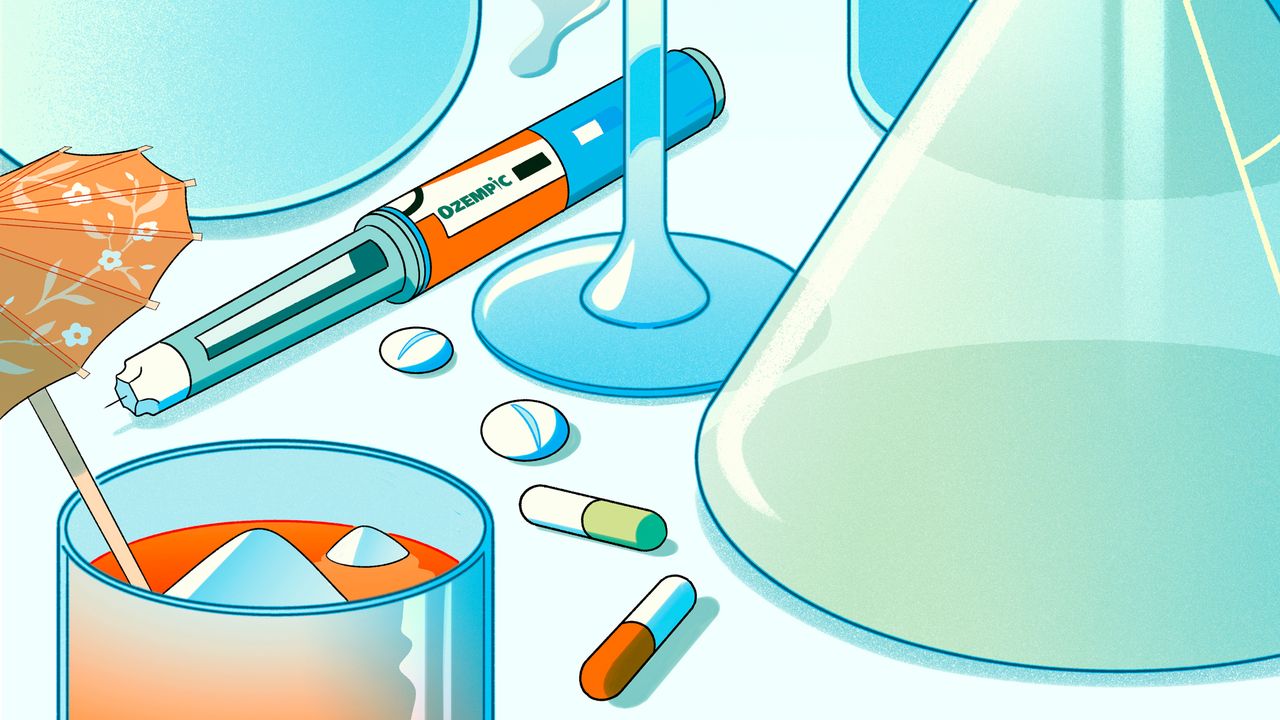
GLP-1 Medications Show Promise for Treating Addiction Through Brain Reward Pathways
The article explores the emerging potential of GLP-1 medications like Ozempic to treat various addictions beyond their original diabetes and
 newyorker.com·4mo ago
Semaglutide Shows Chondroprotective Effects in Osteoarthritis Through Weight Loss-Independent Metabolic Mechanism
This research article demonstrates that semaglutide, a GLP-1 receptor agonist, provides chondroprotective effects in osteoarthritis mouse mo

GLP-1 Therapy Reduces Migraine Frequency by More Than Half in Obesity Patients
A study from the University of Naples found that liraglutide, a GLP-1 receptor agonist typically used for diabetes and obesity, significantl
 medlink.com·7mo ago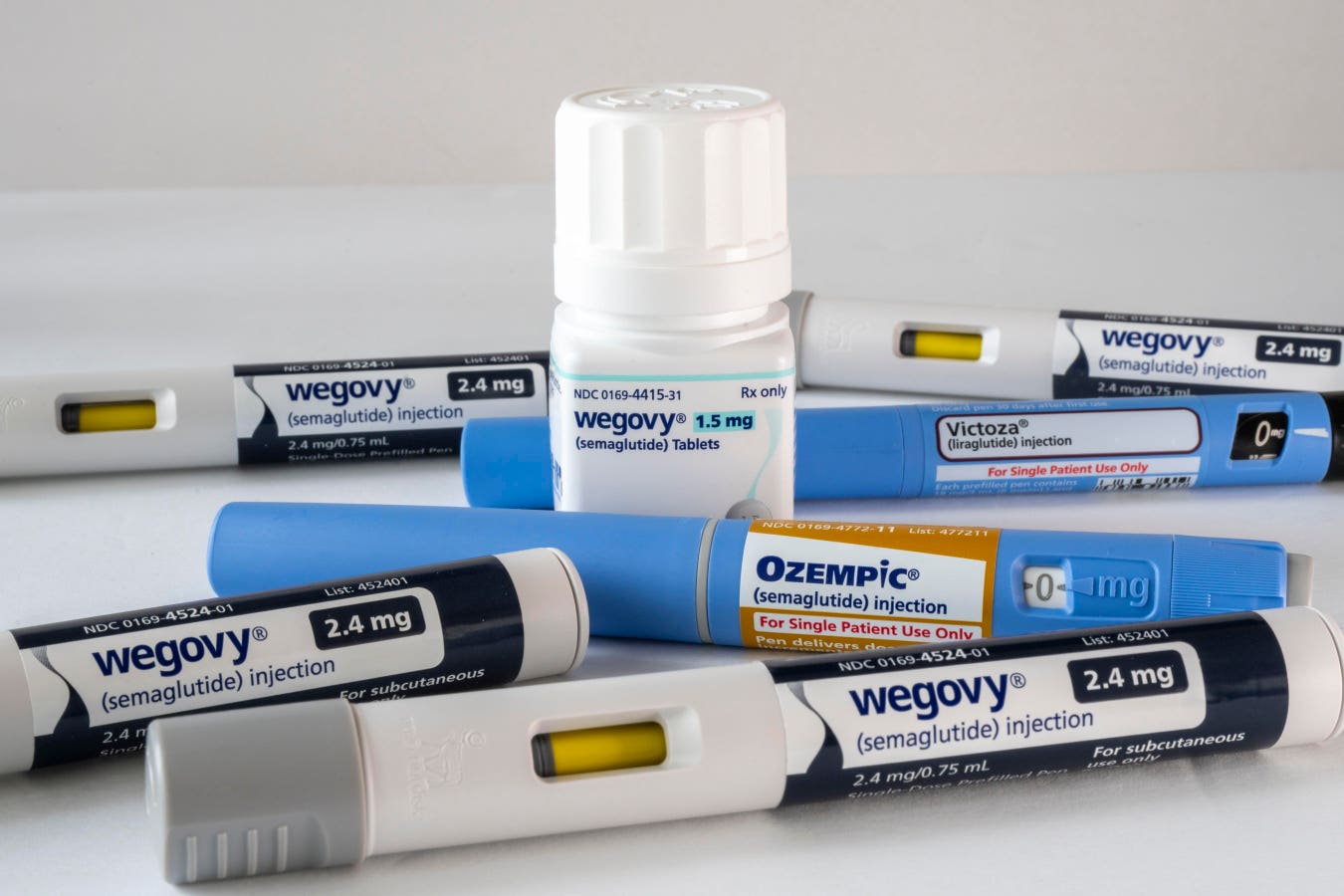
GLP-1 Drugs Linked to 30% Lower Breast Cancer Risk in New Study
New research published in the Journal of Clinical Oncology suggests GLP-1 weight loss medications may reduce cancer risk. An observational s
 forbes.com·21d ago
AI Analysis of Reddit Posts Identifies Potential Side Effects of GLP-1 Weight Loss Drugs
Researchers at the University of Pennsylvania used AI to analyze over 410,000 Reddit posts spanning six years to identify potential side eff
 sciencealert.com·29d ago
GLP-1 weight loss drugs reduce food spending, creating a $6.5 billion challenge for major grocery retailers
The article discusses how GLP-1 weight loss drugs like tirzepatide are significantly impacting consumer spending on food, creating a $6.5 bi
 bit.ly·1mo ago
Comments
Sign in to join the conversation.
No comments yet. Be the first.