
























Study Links Feeling Older Than Your Age to Poor Sleep Quality and Insomnia
By
Megan Brooks
Summary
A cross-sectional survey study found that subjective age — how old a person feels versus their chronological age — is linked to sleep health. Adults who reported feeling older than their actual age consistently reported more insomnia symptoms, less regular sleep, and greater daytime impairment, even after controlling for factors like depression, anxiety, sex, and race. The findings suggest that asking patients how old they feel could serve as a simple screening tool for identifying underlying sleep problems or stress.
Source

 Twitter / XStudy Links Feeling Older Than Your Age to Poor Sleep Quality and Insomniamdsc.pe
Key quotes
· 3 pulledOur findings suggest subjective age is a meaningful signal of sleep health.
If a patient feels significantly older than their chronological age, it may flag underlying sleep problems, stress, or health.
Adults who reported feeling older than their chronological age consistently reported more insomnia symptoms, less regular sleep, and greater daytime impairment.
You might also wanna read


Objective vs. Subjective Sleep Traits: A Phenome-wide Analysis of Disease Associations in 88,461 Adults
The study investigates the associations between accelerometer-derived objective sleep traits and various diseases in 88,461 UK Biobank adult
 spj.science.org·11mo ago
Sleep chart of biological ageing clocks in middle and late life

Study Finds Association Between Daily Generative AI Use and Higher Depressive Symptoms in US Adults
This survey study examines the association between daily generative AI use and depressive symptoms among US adults. The research analyzes da
 jamanetwork.com·4mo ago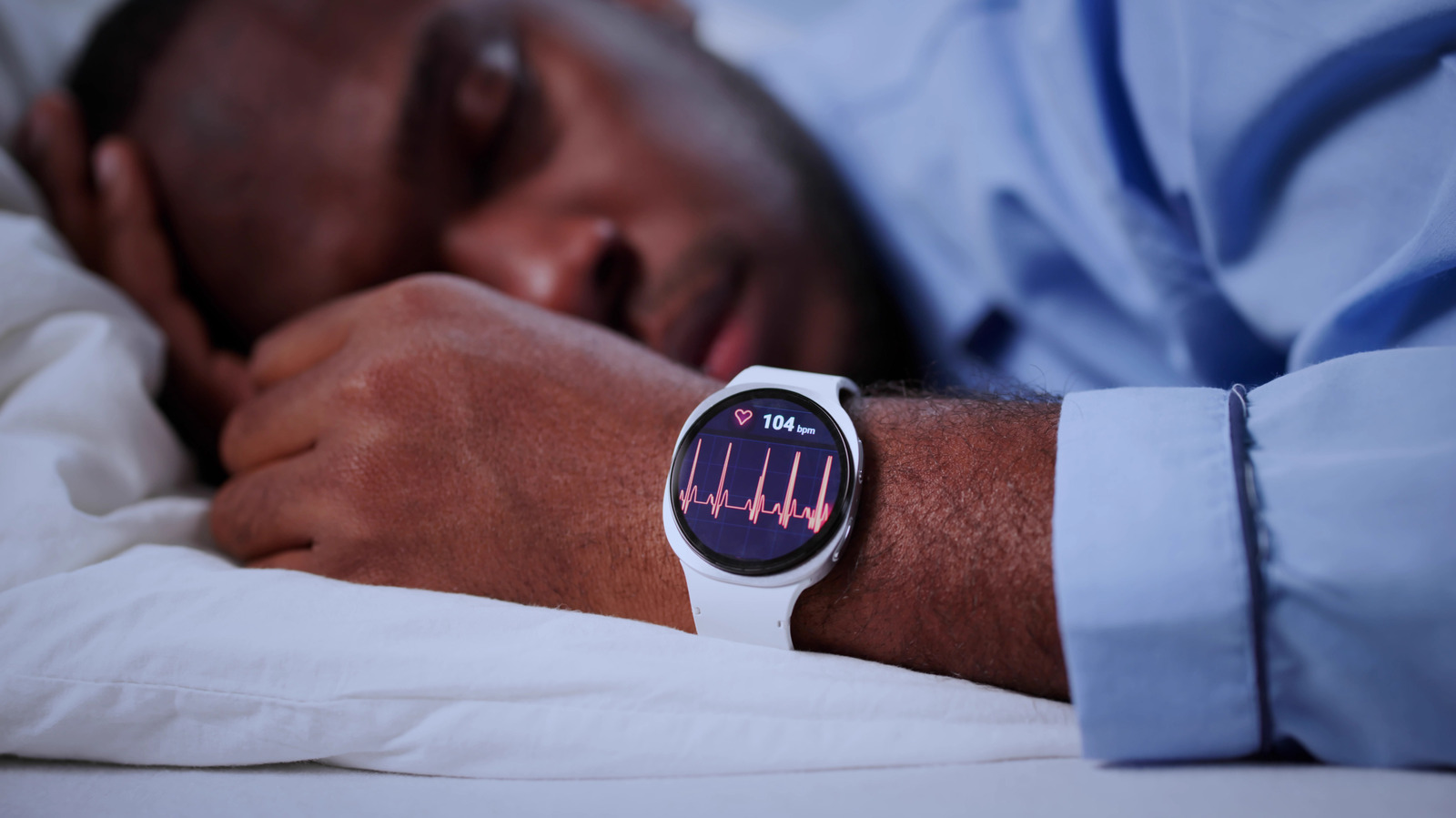
How Smartwatch Sleep Tracking Can Actually Harm Your Sleep Quality
This article explores the phenomenon of "orthosomnia" — a condition where people become so obsessed with tracking their sleep data via smart
 bgr.com·23d ago
Study Links Early Smartphone Ownership Before Age 13 to Worse Mental Health Outcomes
A study published in the Journal of Human Development and Capabilities found that children who own smartphones before age 13, particularly g
 abcnews.go.com·7mo ago
Danish Cohort Study Reveals Age-Related Patterns in Mental Disorder Development Across 273,000 Individuals
This nationwide Danish cohort study analyzed 273,400 individuals over 2.1 million person-years to examine how sex, age, and diagnosis at fir
 doi.org·10d ago
Comments
Sign in to join the conversation.
No comments yet. Be the first.