





















Objective vs. Subjective Sleep Traits: A Phenome-wide Analysis of Disease Associations in 88,461 Adults
By
alex77456

Toasted golden, schmeared with insight. Top of the rack.
Summary
The study investigates the associations between accelerometer-derived objective sleep traits and various diseases in 88,461 UK Biobank adults, comparing these findings with subjective sleep measurements. It explores multiple dimensions of sleep, including nocturnal sleep duration, onset timing, and sleep rhythm, to determine if the disease spectrum linked to objective sleep traits differs from subjective ones.
Key quotes
· 3 pulledSleep traits have been suggested to correlate with various diseases, but most evidence is based on subjective sleep measurement.
We investigated the associations of accelerometer-derived objective sleep traits with diseases throughout physiological systems.
The disease spectrum related to objective sleep traits may differ from that related to subjective sleep traits.
You might also wanna read

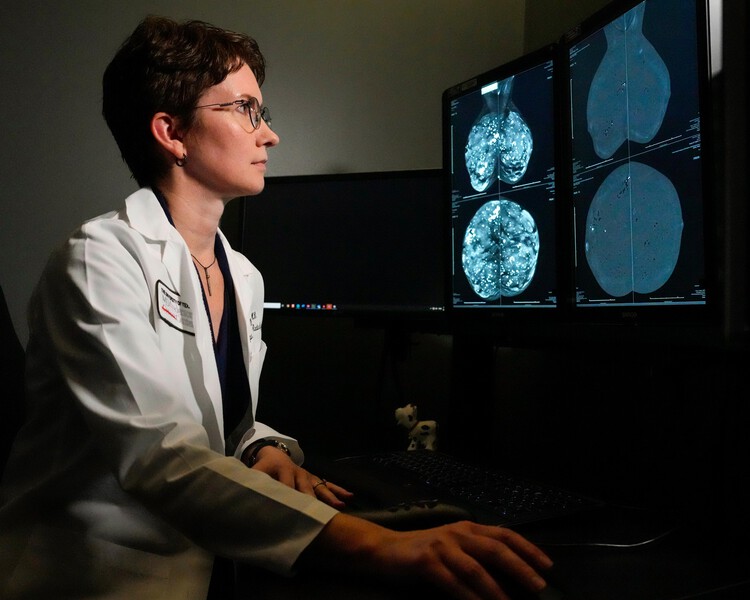
Genomic test trial suggests hormone therapy alone may be sufficient for low-risk breast cancer patients
A groundbreaking genomic test trial suggests that breast cancer patients with low test scores could be treated with hormone therapy alone, a
 apple.news·3h ago
Study finds bird masturbation is natural behavior, not caused by captivity stress
A study on masturbation among birds, particularly parrots, finds that the behavior is natural and more common in the wild than in captivity.
 theguardian.com·3h ago
Experimental pill daraxonrasib extends survival in advanced pancreatic cancer patients, study finds
Researchers reported that daraxonrasib, a novel experimental pill, helped patients with advanced pancreatic cancer live longer by blocking a
 npr.org·3h ago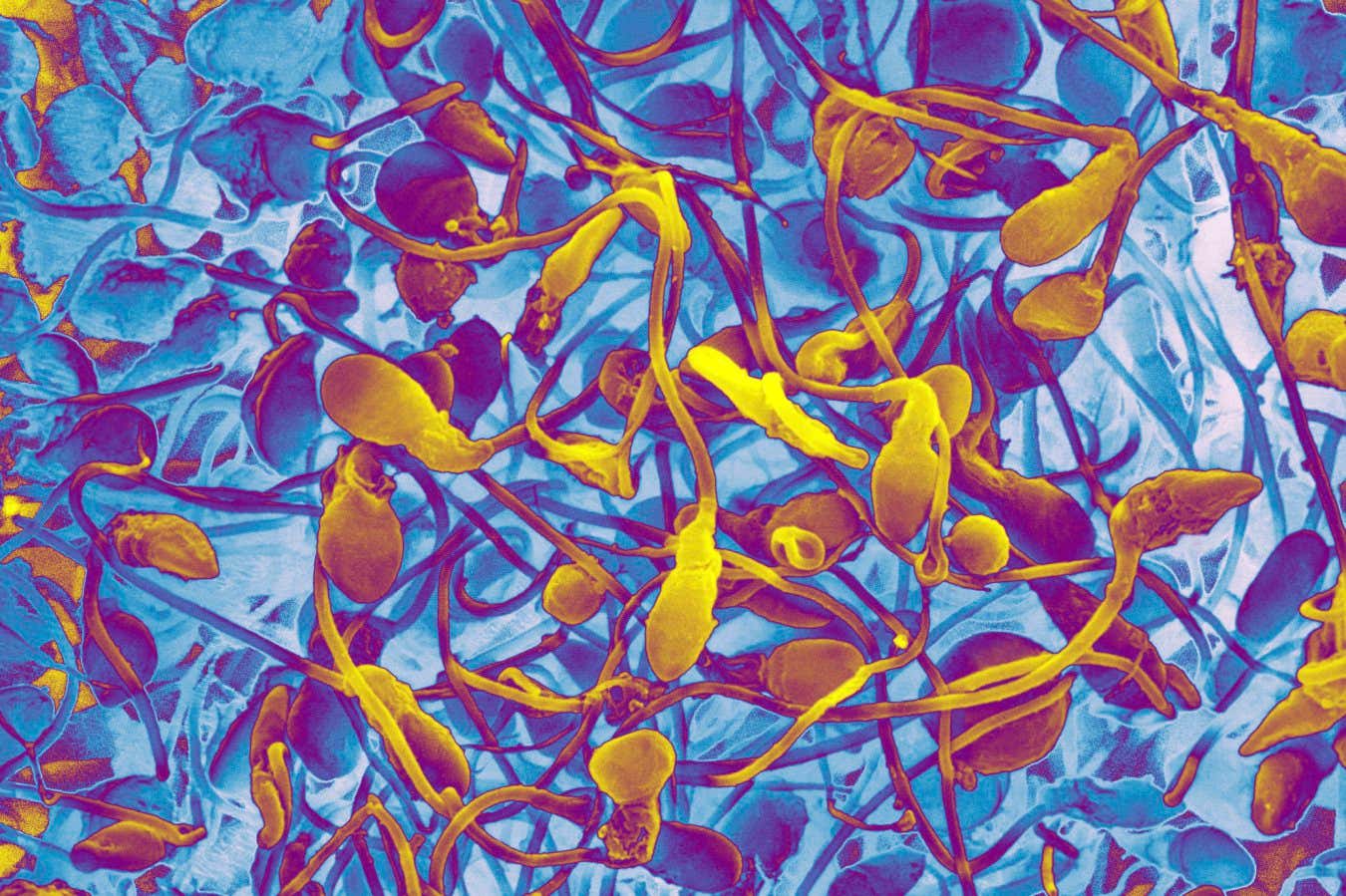
Lab-grown sperm from stem cells could help infertile men, but may require gene editing
A US start-up called Paterna Biosciences claims it can take stem cells from men's testes and grow them into sperm cells in the lab, potentia
 newscientist.com·4h ago
Spinach-derived photosynthetic treatment shows promise for dry eye disease
Scientists at the National University of Singapore have developed an experimental treatment for dry eye disease that uses photosynthetic mac
 biotechniques.com·4h ago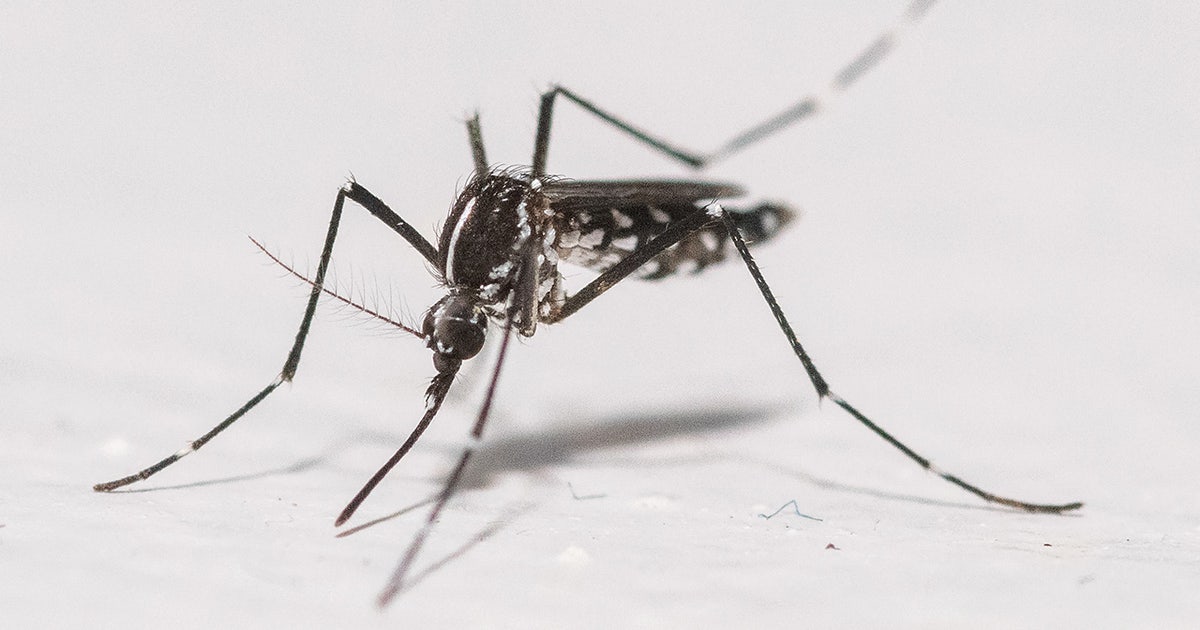
Google's Debug program seeks EPA approval to release 64 million modified mosquitoes in California and Florida
Google's Debug program plans to release up to 64 million genetically modified "good" mosquitoes in California and Florida over two years to
 bit.ly·5h ago