





















Spinach-derived photosynthetic treatment shows promise for dry eye disease
By
Beatrice Bowlby

If you only eat one bagel today, this is the bagel.
Summary
Scientists at the National University of Singapore have developed an experimental treatment for dry eye disease that uses photosynthetic machinery derived from spinach plants. The treatment involves transplanting this plant-derived machinery into corneal cells, which then produce a protective molecule when exposed to light. This offers a potential non-invasive solution for dry eye disease by harnessing the power of photosynthesis.
Key quotes
· 3 pulledHarnessing the power of photosynthesis, scientists have pioneered an experimental, light-based treatment, derived from spinach, for dry eye disease.
An innovative new treatment for dry eye disease, from researchers at the National University of Singapore, involves transplanting plant-derived photosynthetic machinery into corneal cells to produce a protective molecule when exposed to light.
As well as offering a simple, non-invasive solution to keep...
You might also wanna read


GeneSkin Develops mRNA Therapy Targeting Skin Stem Cells for Rejuvenation and Hair Growth
GeneSkin is developing a novel mRNA therapy targeting basal stem cells in the skin to address a wide range of dermatological issues includin
 wyss.harvard.edu·21h ago
First human trial begins for drug that could regrow missing teeth
Kyoto University Hospital has launched the first human trial of TRG-035, a drug designed to regrow teeth in adults by blocking a protein tha
 boingboing.net·1d ago
Startup Bexorg uses intact postmortem human brains for neurodegenerative drug testing
A startup called Bexorg is using intact brains from deceased human donors to test drugs for neurodegenerative diseases. By restoring blood f
 science.org·3d ago
Startup Bexorg uses intact postmortem human brains for neurodegenerative drug testing
A startup called Bexorg is using intact brains from deceased human donors to test drugs for neurodegenerative diseases. By restoring blood f
science.org·3d ago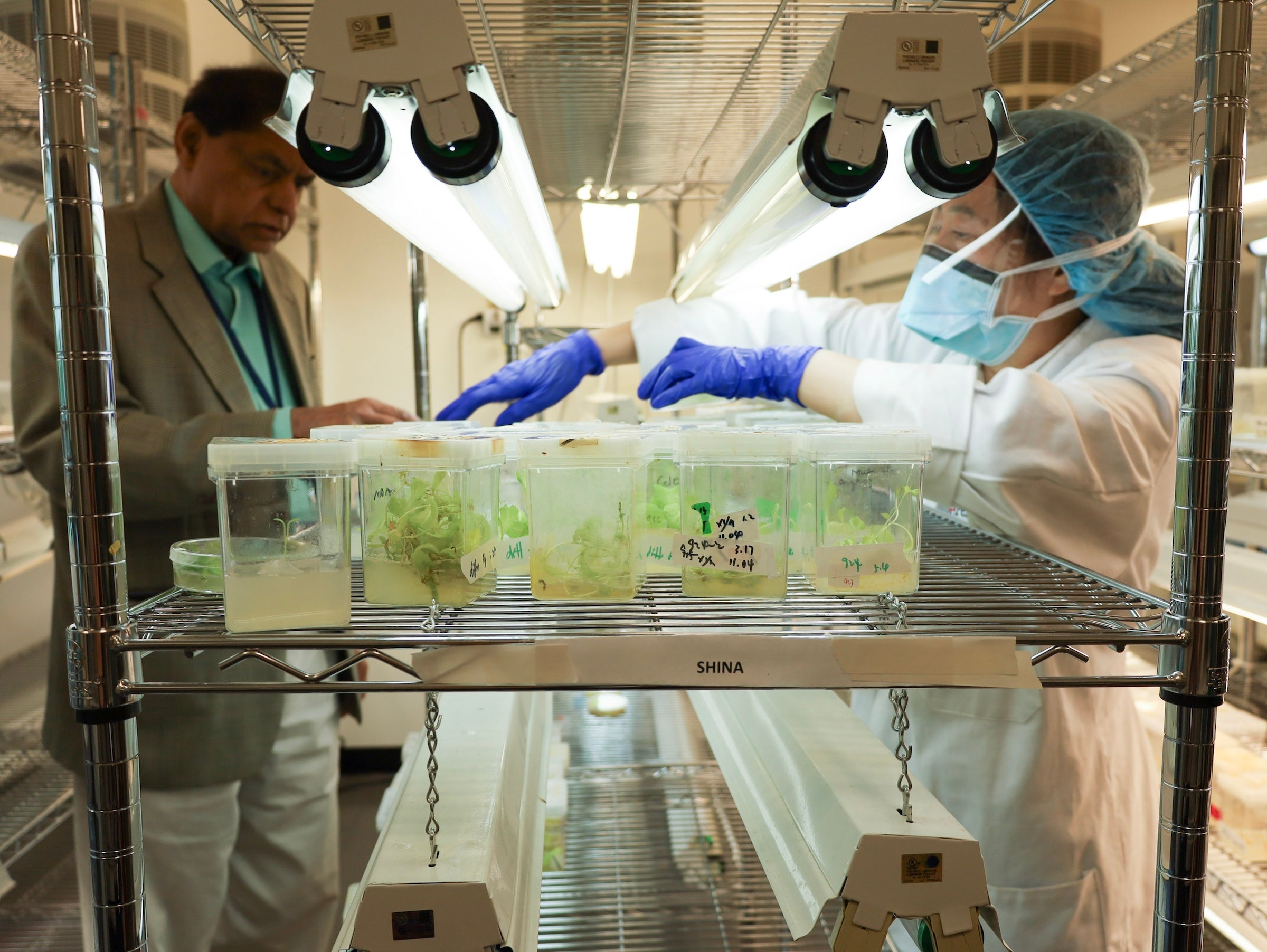
Penn researchers develop bioengineered chewing gum with potential to prevent oral and head cancers
Researchers at Penn, led by Dr. Henry Daniell, have developed a bioengineered chewing gum made from a bean plant that contains antiviral, an
 whyy.org·3d ago
Personalized mRNA Cancer Vaccine Shows 49% Risk Reduction at 5-Year Follow-up
Moderna and Merck report promising 5-year follow-up results for their personalized mRNA cancer vaccine combined with Keytruda immunotherapy.
 arstechnica.com·4mo ago