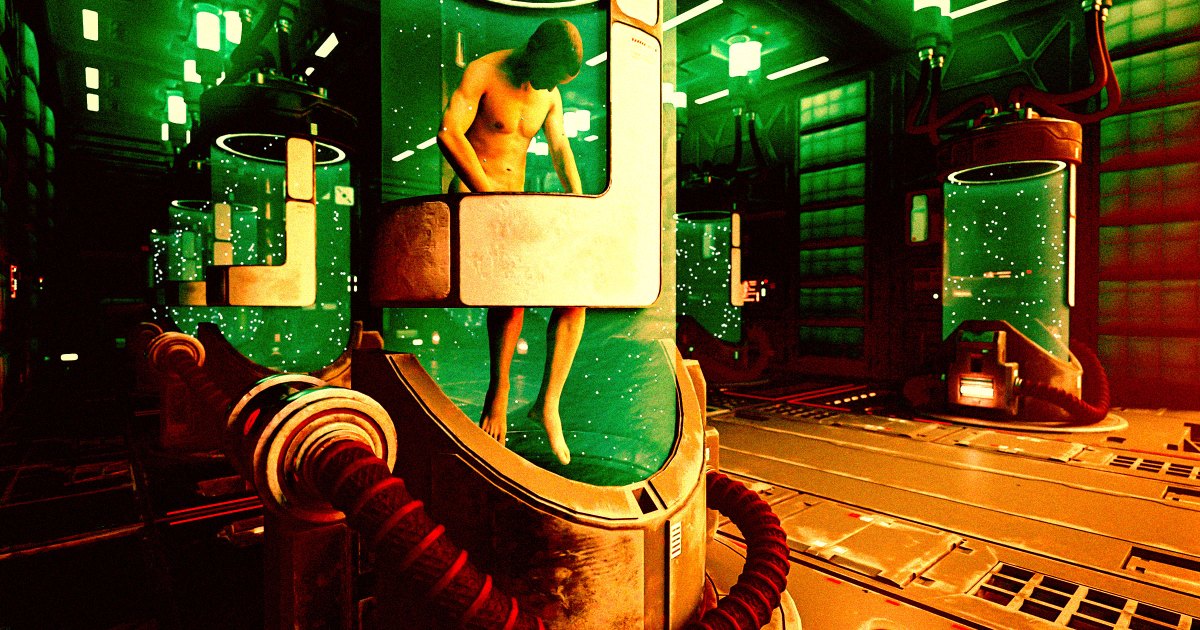
Startup Bexorg uses intact postmortem human brains for neurodegenerative drug testing
By
Timofeibu
2d ago· 7 min readenNews

90/100
Golden Brown
Bagelometer↗
Sesame, salt, and substance. A flagship bake.
Score90TypenewsSentimentneutral
Summary
A startup called Bexorg is using intact brains from deceased human donors to test drugs for neurodegenerative diseases. By restoring blood flow and some cellular functions to these brains hours after death, the company aims to create a more accurate testing platform than animal models or cell cultures. The brains are not conscious or alive, but maintain key metabolic and structural functions, raising both scientific possibilities and ethical questions about the definition of death and the use of human tissue.
Key quotes
· 3 pulledJust a day ago, the brain was in a living person. Now, hours after its owner died, it sits on a cart draped in tubes that quiver as they pump liters of blood substitute and other fluids through the organ, supplying oxygen and removing waste.
With most of its key functions intact but its electric
The brains are not alive, but they are not dead either — they exist in a liminal state that raises profound scientific and ethical questions.
By restoring some functions to intact brains from deceased donors, the startup Bexorg hopes to create a better drug development test bed for neurodegenerative diseases