
























Study: Plant-based diets could cut food emissions by 50% without raising costs
By
Amber Rolt
Summary
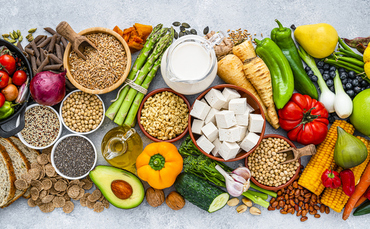
A study published in The Lancet Planetary Health finds that shifting to a more plant-based diet could reduce food-related greenhouse gas emissions by up to 50% without increasing food costs for consumers. The research, led by the London School of Hygiene & Tropical Medicine and the University of Oxford, analyzed the environmental and economic impacts of various dietary patterns across 150 countries. It found that plant-forward diets are not only more sustainable but also often cheaper than current eating patterns, challenging the perception that sustainable eating is more expensive. The study highlights that making sustainable food options more accessible could accelerate progress toward climate and public health goals.
Source
 Twitter / XStudy: Plant-based diets could cut food emissions by 50% without raising costsbusinessgreen.com
Key quotes
· 3 pulledMaking sustainable food options more accessible and affordable could help accelerate progress towards climate and public health goals.
The research suggests that shifting to a more plant-based diet could cut emissions without increasing food costs.
Plant-forward diets are not only more sustainable but also often cheaper than current eating patterns.
You might also wanna read


Reduced meat and dairy consumption improves health, environmental and most nutritional outcomes without increasing diet costs among Scottish adults - Nature Food

Study finds 2025-2030 US Dietary Guidelines increase environmental footprint through higher animal protein recommendations
This study analyzes the environmental impact of the 2025–2030 Dietary Guidelines for Americans, which recommend avoiding ultraprocessed food
 pnas.org·20d ago
Climate One Podcast: The Challenges and Future of Plant-Based and Cultivated Meat
This podcast episode from Climate One explores the future of meat, examining the challenges facing plant-based and cultivated meat alternati
 play.megaphone.fm·25d ago
Study identifies five structural barriers slowing Europe's sustainable food system transition
A new study published in Nature Food identifies five self-reinforcing barriers that are slowing Europe's transition to a sustainable food sy
 muser.press·1mo ago
Impact of a whole food, plant-based diet on LDL-cholesterol and cardiovascular risk factors in adults with heterozygous familial hypercholesterolemia: a randomized, two-period, two-treatment, crossover, fully controlled feeding trial
Big food companies turn to regenerative agriculture amid climate concerns, but experts remain divided
Global agriculture and food supply chains account for nearly a third of total greenhouse gas emissions, while also being among the sectors m
 cnn.com·14d ago
Comments
Sign in to join the conversation.
No comments yet. Be the first.