
























New theory suggests Stonehenge builders used wooden 'railway' tracks to transport 25-tonne stones
By
Alex Ross
Summary
Archaeologists have developed a new theory about how the massive 25-tonne sarsen stones were transported to Stonehenge 5,000 years ago. Rather than rolling the stones over timber posts as previously thought, experts now believe the builders used wooden tracks resembling a railway system to pull the stones from Marlborough Downs, 15 miles away. A new realistic image has been created to illustrate this transportation method, showing how the stones were likely moved along the wooden trackway using a system of levers and ropes.
Source

 Twitter / XNew theory suggests Stonehenge builders used wooden 'railway' tracks to transport 25-tonne stonesindependent.co.uk
Key quotes
· 3 pulledThe most realistic image of the building of Stonehenge has been created, revealing for the first time how stones were pulled along wooden tracks 'like a sort of railway' to the monument.
The 25-tonne sarsen stones were brought from Marlborough Downs, some 15 miles away, and until recently, it was thought that they were rolled over timber posts
The World Heritage Site was built 5,000 years ago, first with the placing of bluestones transported from the Preseli Hills in Wales, and then, hundreds of years later, it was altered with the arrival of huge sarsen stones to create the iconic stone circle.
You might also wanna read

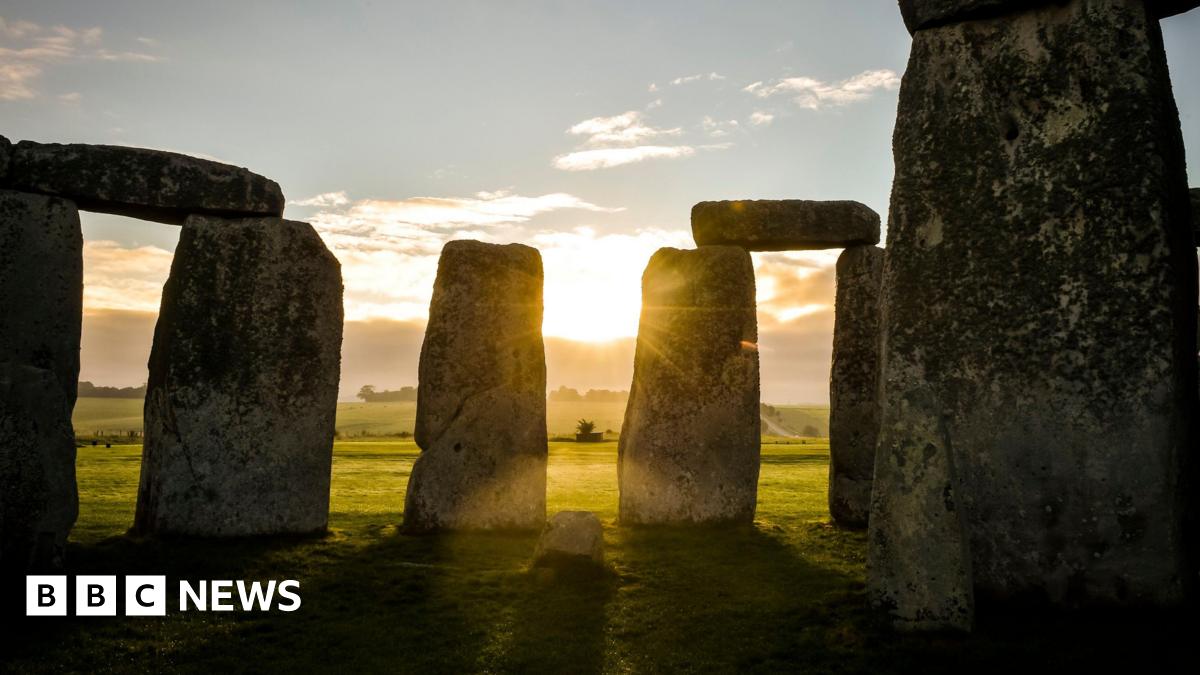
Study confirms humans transported Stonehenge stones hundreds of kilometers, glaciers only moved them partway
New research using geological analysis and computer modeling suggests that Stonehenge's massive stones were transported by humans over hundr
 bbc.co.uk·1mo ago
Ancient ring discovered underground in Scotland could be a Stonehenge-like monument
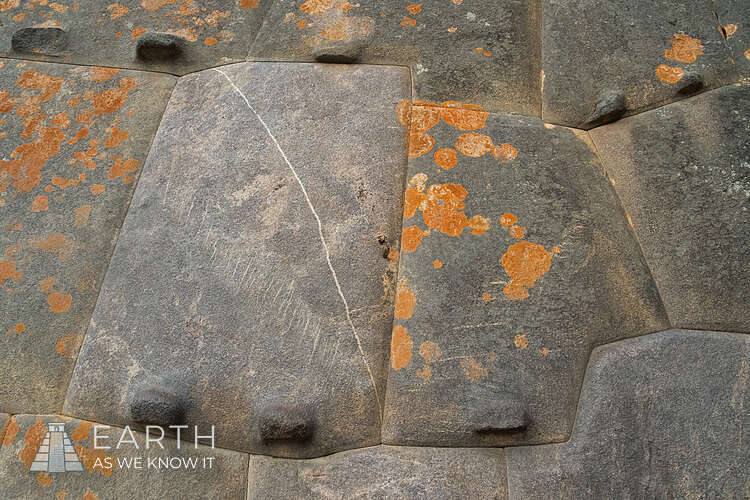
Inca Masonry Techniques: How the Master Builders Created Their Remarkable Stonework
The article examines Inca masonry techniques, debunking the myth that their stonework is an impenetrable mystery. It reveals that Inca const
 earthasweknowit.com·6mo ago
HS2 Archaeological Digs Reveal 450,000 Historical Artifacts in Secret Warehouse
The BBC has been granted exclusive access to a secret warehouse storing approximately 450,000 archaeological treasures unearthed during the
 bbc.com·5mo ago
Comments
Sign in to join the conversation.
No comments yet. Be the first.