
























Statistical methods for analyzing ecological multinomial time series to identify environmental and biotic drivers of community change
By
Quinn Asena
Summary
This article presents statistical methods for analyzing ecological multinomial time series to disentangle the effects of environmental drivers (like temperature, rainfall, disturbance) from biotic interactions on community dynamics. It addresses the challenge of statistical inference from multivariate time series in community ecology and paleoecology, where relative abundance data across multiple species is analyzed alongside environmental variables. The paper focuses on methodological approaches to understand what drives changes in ecological communities over time.
Source

 bskyStatistical methods for analyzing ecological multinomial time series to identify environmental and biotic drivers of community changebuff.ly
Key quotes
· 3 pulledA common research goal in community ecology and paleoecology is to disentangle the relative effects of abiotic drivers and biotic interactions on community dynamics.
Pursuing this goal often involves analysing multi-species time series in concert with time series of possible environmental drivers such as temperature, rainfall and disturbance regimes.
Understanding the drivers of change in communities is a major goal of paleoecology and community ecology, but statistical inference from multivariate time series is challenged by relative (rather than absolute) abundance data.
You might also wanna read

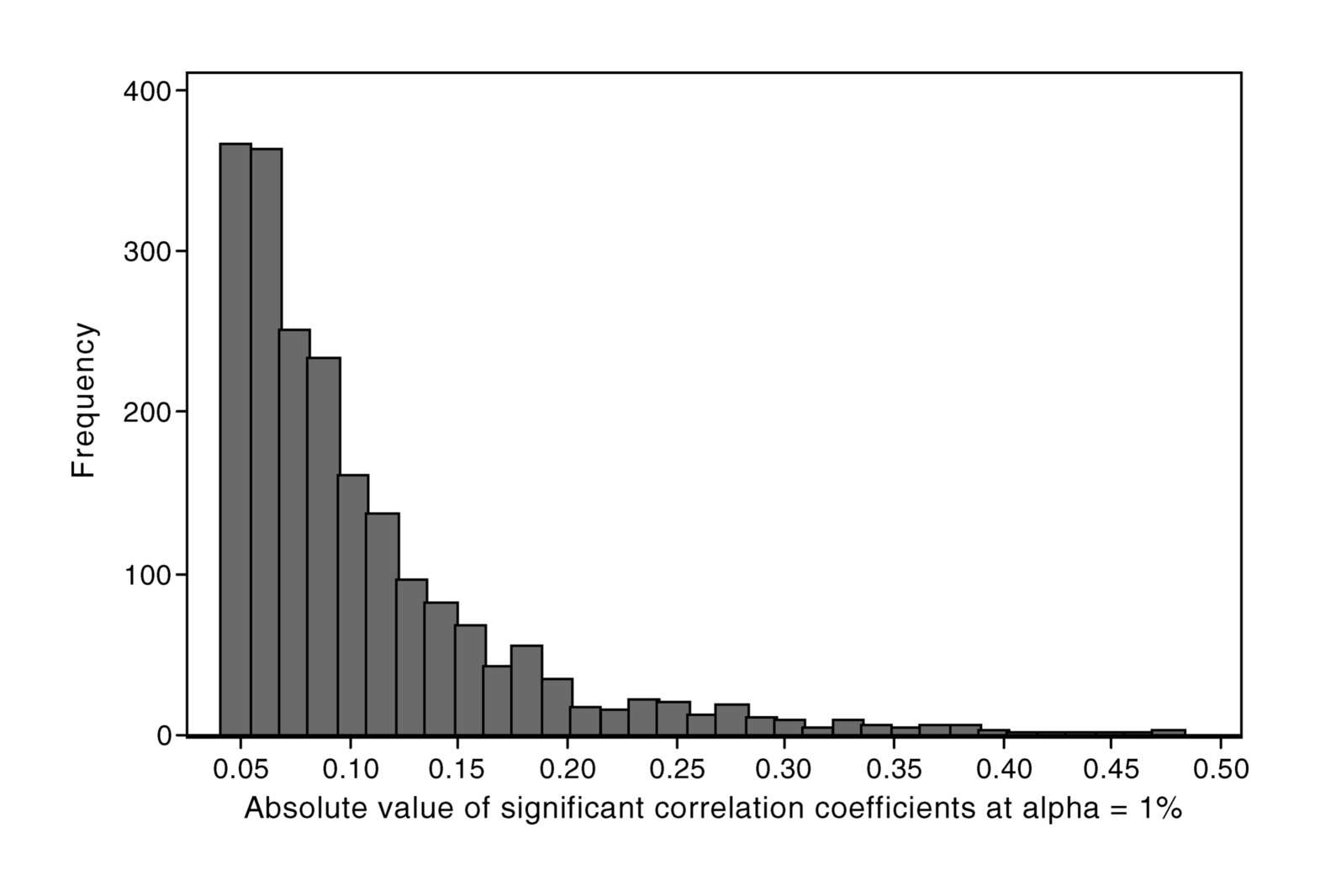
The Statistical Reality: Why Everything Is Correlated and Its Implications for Research
This article explores the statistical and psychological observation that all real-world variables exhibit non-zero correlations, challenging
 gwern.net·10mo ago
Dynestyx: A Probabilistic Programming Library for State-Space Models and Dynamical Systems
The article introduces dynestyx, a probabilistic programming library designed specifically for state-space models (SSMs) used in Bayesian an
 arxiv.org·15d ago
He Jiankui PhD Thesis: Spontaneous Emergence of Hierarchy in Biological Systems
Introduction to the concept of likelihood and its applications (2018)

NEW in #NatureCommunications
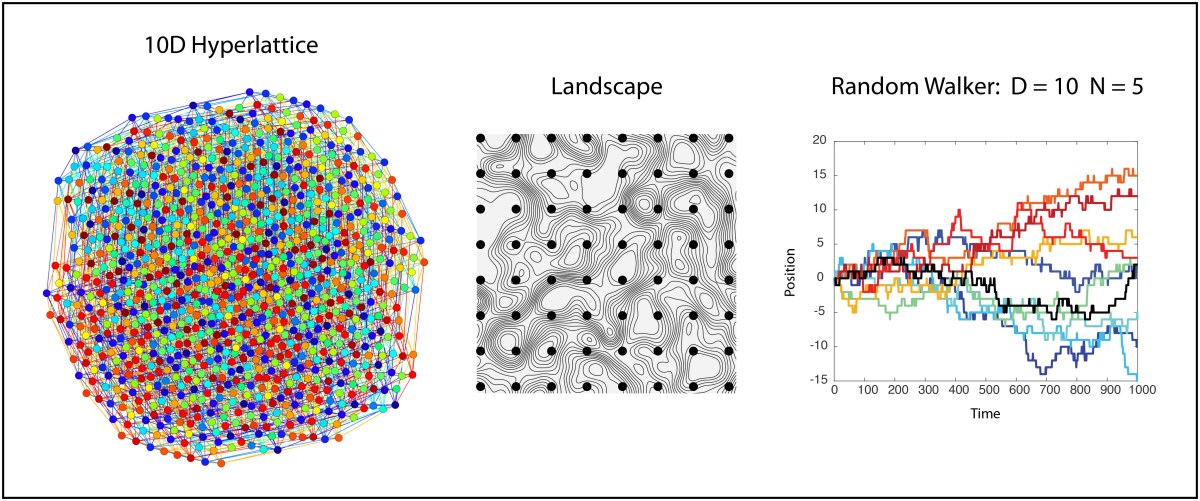
The Mathematics of Random Walks in High-Dimensional Spaces and Their Role in Deep Learning
The article explores the mathematics and physics of random walks in high-dimensional spaces, explaining how this concept underpins modern dy
 galileo-unbound.blog·10mo ago
Comments
Sign in to join the conversation.
No comments yet. Be the first.