





















Stanford Study Finds 98% Recidivism Rate for Mouth Burns from Hot Food
By
The Onion Staff

Toasted to a respectable shade. No regrets, no crumbs left.
Summary
Stanford University researchers conducted a decade-long study finding a 98% recidivism rate among Americans who burn their mouths on hot food. Despite experiencing pain and lingering numbness, nearly all subjects repeated the behavior almost immediately, suggesting traditional disincentives are ineffective at preventing recurrence of this common self-destructive pattern.
Key quotes
· 3 pulledIn a comprehensive, decade-long study of the self-destructive pattern, researchers at Stanford University recorded a shocking 98% recidivism rate among Americans who had burned their mouths on hot food.
Despite the lingering numbness on their tongues or the roofs of their mouths, the study found that nearly all subjects who burned themselves on items such as soup or fresh-out-of-the-oven pizza repeated the behavior almost immediately.
The findings suggest that traditional punitive disincentives are woefully inadequate in preventing recurrence of the harmful practice.
You might also wanna read


Study Finds PFAS 'Forever Chemicals' in 95% of U.S. Beers Tested
A scientific study published in Environmental Science & Technology found that 95% of beers tested across the U.S. contain PFAS (forever chem

Genomic test trial suggests hormone therapy alone may be sufficient for low-risk breast cancer patients
A groundbreaking genomic test trial suggests that breast cancer patients with low test scores could be treated with hormone therapy alone, a
 apple.news·50m ago
Study finds bird masturbation is natural behavior, not caused by captivity stress
A study on masturbation among birds, particularly parrots, finds that the behavior is natural and more common in the wild than in captivity.
 theguardian.com·51m ago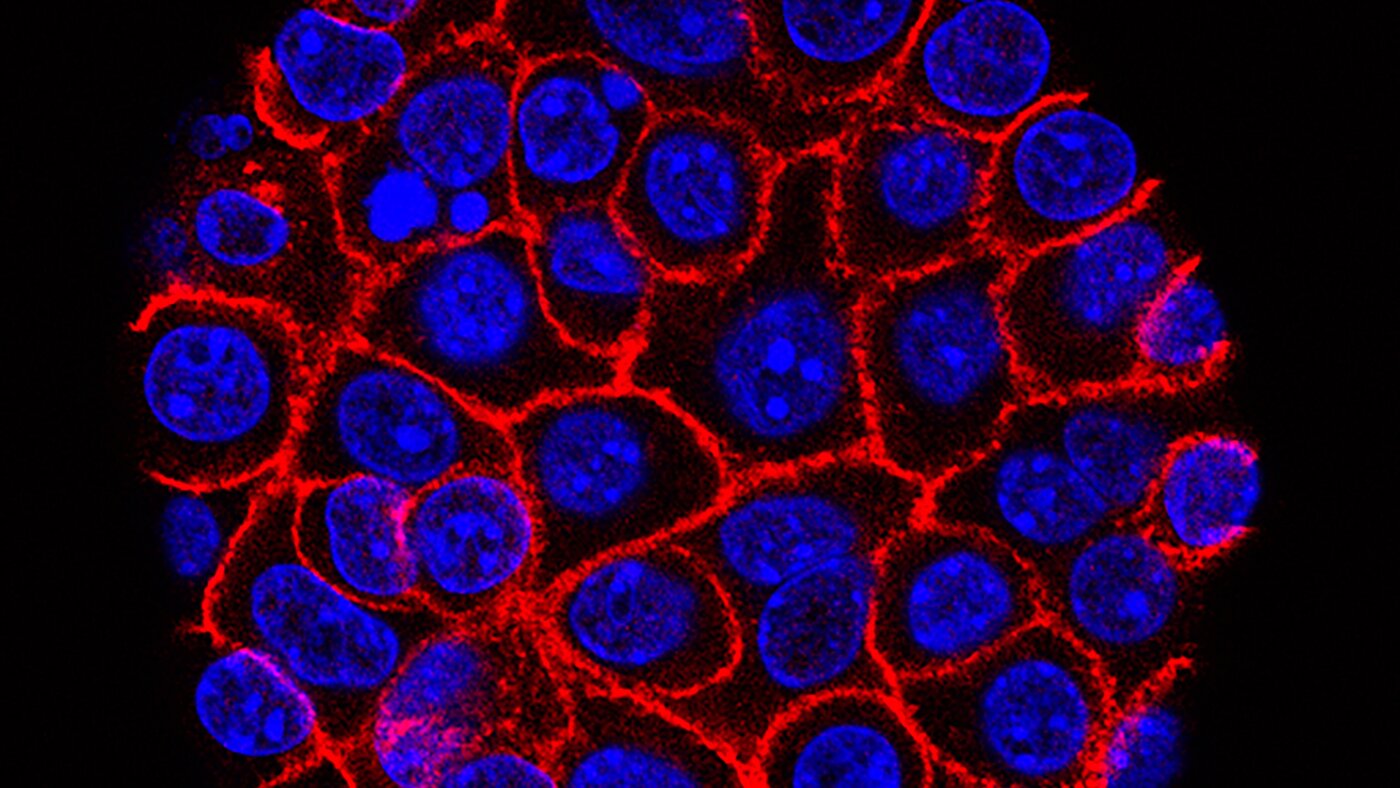
Experimental pill daraxonrasib extends survival in advanced pancreatic cancer patients, study finds
Researchers reported that daraxonrasib, a novel experimental pill, helped patients with advanced pancreatic cancer live longer by blocking a
 npr.org·57m ago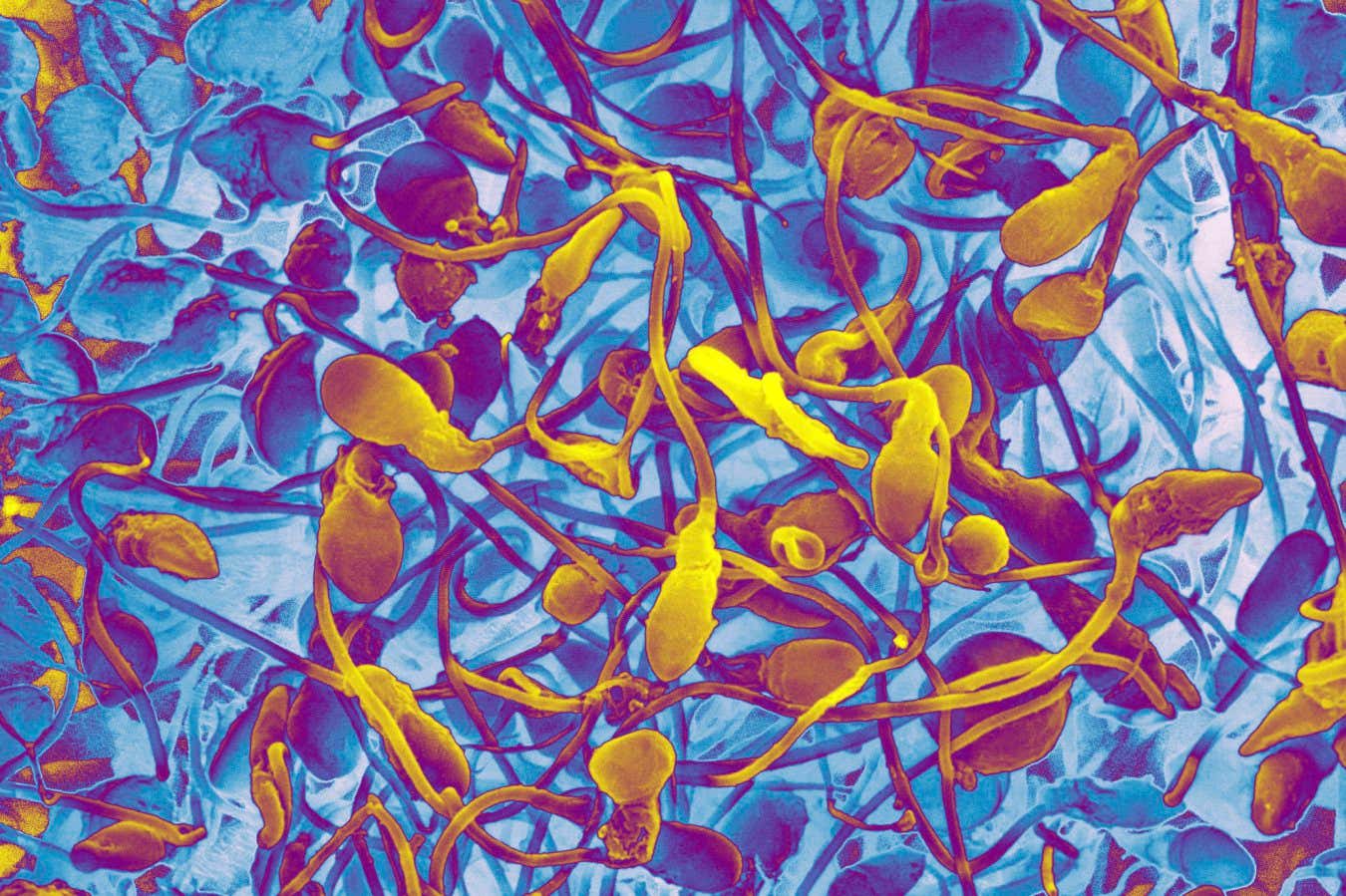
Lab-grown sperm from stem cells could help infertile men, but may require gene editing
A US start-up called Paterna Biosciences claims it can take stem cells from men's testes and grow them into sperm cells in the lab, potentia
 newscientist.com·1h ago
Spinach-derived photosynthetic treatment shows promise for dry eye disease
Scientists at the National University of Singapore have developed an experimental treatment for dry eye disease that uses photosynthetic mac
 biotechniques.com·2h ago