
























How strange metals are forcing physicists to rethink the nature of electricity
This article explores the decades-old mystery of "strange metals" — materials discovered in the 1980s that conduct electricity in ways that defy conventional physics. Unlike normal metals where electrical resistance follows predictable patterns, strange metals exhibit bizarre behavior such as resistance scaling linearly with temperature. The piece examines how physicists are now developing new theories to explain this phenomenon, which is forcing a fundamental rethinking of how electricity works at the quantum level. The discovery of high-temperature superconductors sparked a scientific frenzy, and the ongoing research into strange metals is challenging long-held assumptions about electron behavior and electrical conduction.
Key quotes
In the mid-1980s, an unexpected discovery sparked one of the most frenzied episodes in scientific history.
The finding in question was of materials that turned into superconductors – materials that conducted electricity with zero resistance – at much higher temperatures than had ever been seen before.
Almost overnight, labs the world over shelved their existing research programmes and jumped on the bandwagon to find other examples.
Newspapers heralded an impending age of lossless power transmission, floating trains and extraordinary possibilities.
From the article
You might also wanna read


Quantum Simulation Reveals Fundamental Ceiling on Electrical Resistance
Physicists have discovered a fundamental limit to electrical resistance using a quantum simulation with ultracold atoms. The research shows
Scientists finally solved a 150-year-old gallium mystery
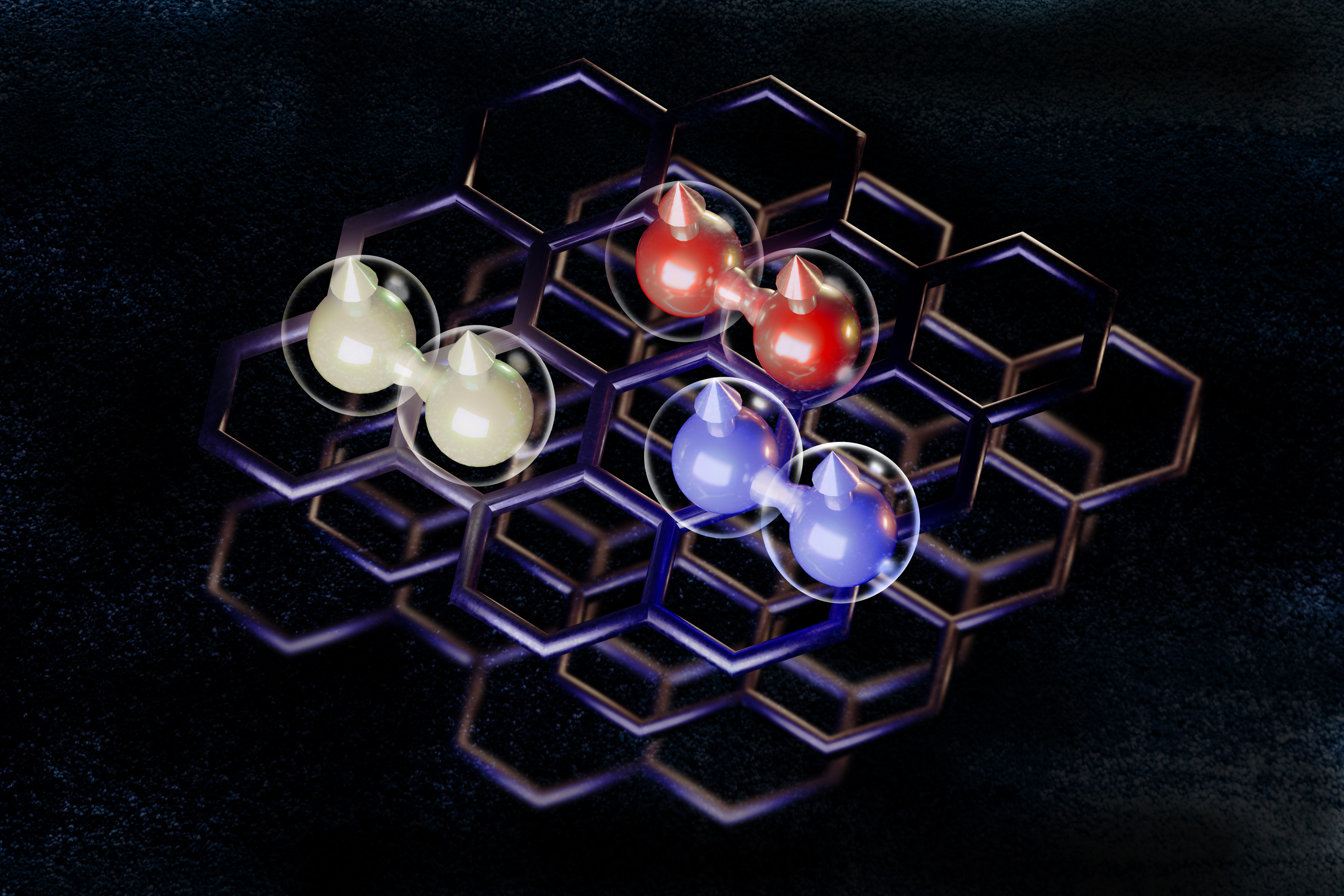
MIT study finds natural graphite can host multiple superconducting states that strengthen under magnetic fields
MIT researchers have discovered that a microscopic structure found in natural graphite (the material in pencil lead) can host multiple super
 MIT Election Lab·5d ago
MIT study finds natural graphite can host multiple superconducting states that strengthen under magnetic fields
MIT researchers have discovered that a microscopic structure found in natural graphite (the material in pencil lead) can host multiple super
news.mit.edu·5d agoHow does superconductivity begin? Unveiling the hidden flow of electrons

Machine learning accelerates discovery of new superconductors, bringing room-temperature goal closer
An international research team has demonstrated that machine learning, combined with quantum physics, can rapidly narrow down the vast numbe
Machine learning accelerates discovery of new superconductors, bringing room-temperature goal closer
An international research team has demonstrated that machine learning, combined with quantum physics, can rapidly narrow down the vast numbe
Comments
Sign in to join the conversation.
No comments yet. Be the first.