
























Survey: 77% of Americans Own Smart TVs, Privacy Concerns Drive Calls for Data Regulation
By
Raymond McCain
Summary
A survey by Review.org's State of Consumer Data 2026 reveals that 77% of Americans own smart TVs, and a growing number are concerned about privacy risks from smart TVs, streaming devices, and AI assistants. While cord cutting saves money, consumers feel their data is being collected without meaningful control, and they are increasingly demanding lawmakers take action to regulate data collection practices by tech and media companies.
Source

 bskySurvey: 77% of Americans Own Smart TVs, Privacy Concerns Drive Calls for Data Regulationcordcuttersnews.com
Key quotes
· 3 pulled77% of Americans said they own a smart TV
53% said they have meaningful control over the data their devices collect
Convenience is colliding with privacy fears
You might also wanna read


Study Finds 35% of LG and Samsung Smart TV Apps Contain Residential Proxy SDKs That Sell Users' IP Addresses
A security investigation by Spur scanned 6,038 LG and Samsung smart TV apps and found that 2,058 (nearly 35%) contain residential proxy SDKs
 spur.us·1d ago
Alternatives to Smart TVs: Options for Privacy and Ad-Free Viewing
This article provides a comprehensive guide for consumers frustrated with smart TV privacy issues, tracking, and intrusive ads. It explores
 arstechnica.com·6mo ago
Pew Study: Two-Thirds of Americans Say AI Is Moving Too Fast, Lack Confidence in Regulation
A new Pew Research Center study reveals that roughly two-thirds of Americans believe AI is advancing too quickly, even though a majority of
 Variety·7d ago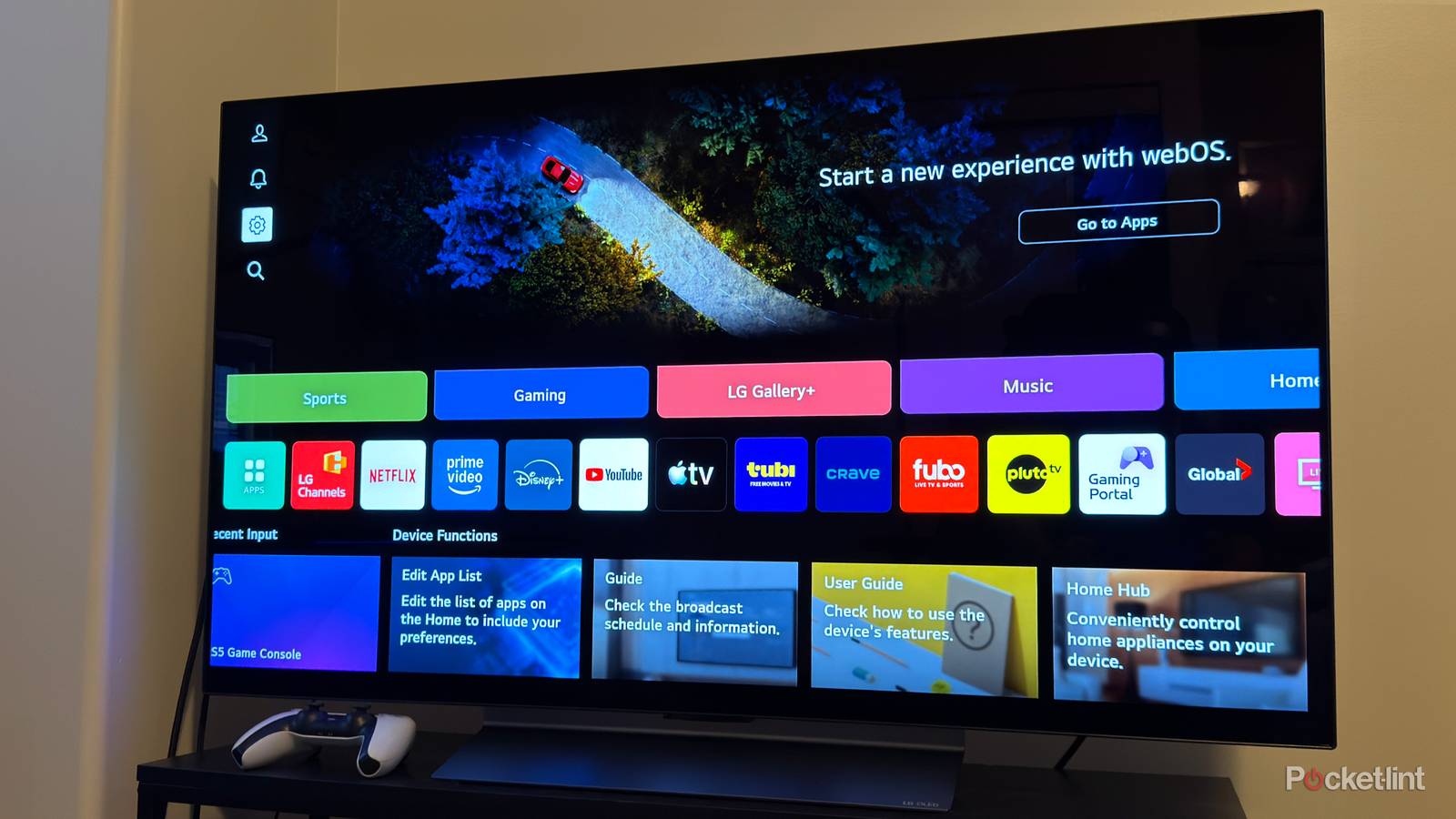
How LG Smart TVs Track Viewing Data and How to Disable It
The article reveals that LG smart TVs collect extensive viewing data through ACR (Automatic Content Recognition) technology, which tracks ev
 pocket-lint.com·6mo ago
Pew Study: 50% of Americans Express Concern Over AI's Role in Daily Life
A new Pew Research study reveals that 50% of Americans are more concerned than excited about AI in daily life, with concerns focused on nega
 The Verge·9mo ago
How Smart TVs Are Being Used as Exit Nodes in AI Web Scraping Networks
This article investigates how AI companies are using consumer smart TVs as exit nodes in residential proxy networks to scrape web data for t
 blog.includesecurity.com·18d ago
Comments
Sign in to join the conversation.
No comments yet. Be the first.