
























Shift-and-Add (SAdd): Hardware-Aware Channel Characterization With Polar NRZ Stimuli
Source
IEEEShift-and-Add (SAdd): Hardware-Aware Channel Characterization With Polar NRZ Stimuliieee.orgYou might also wanna read

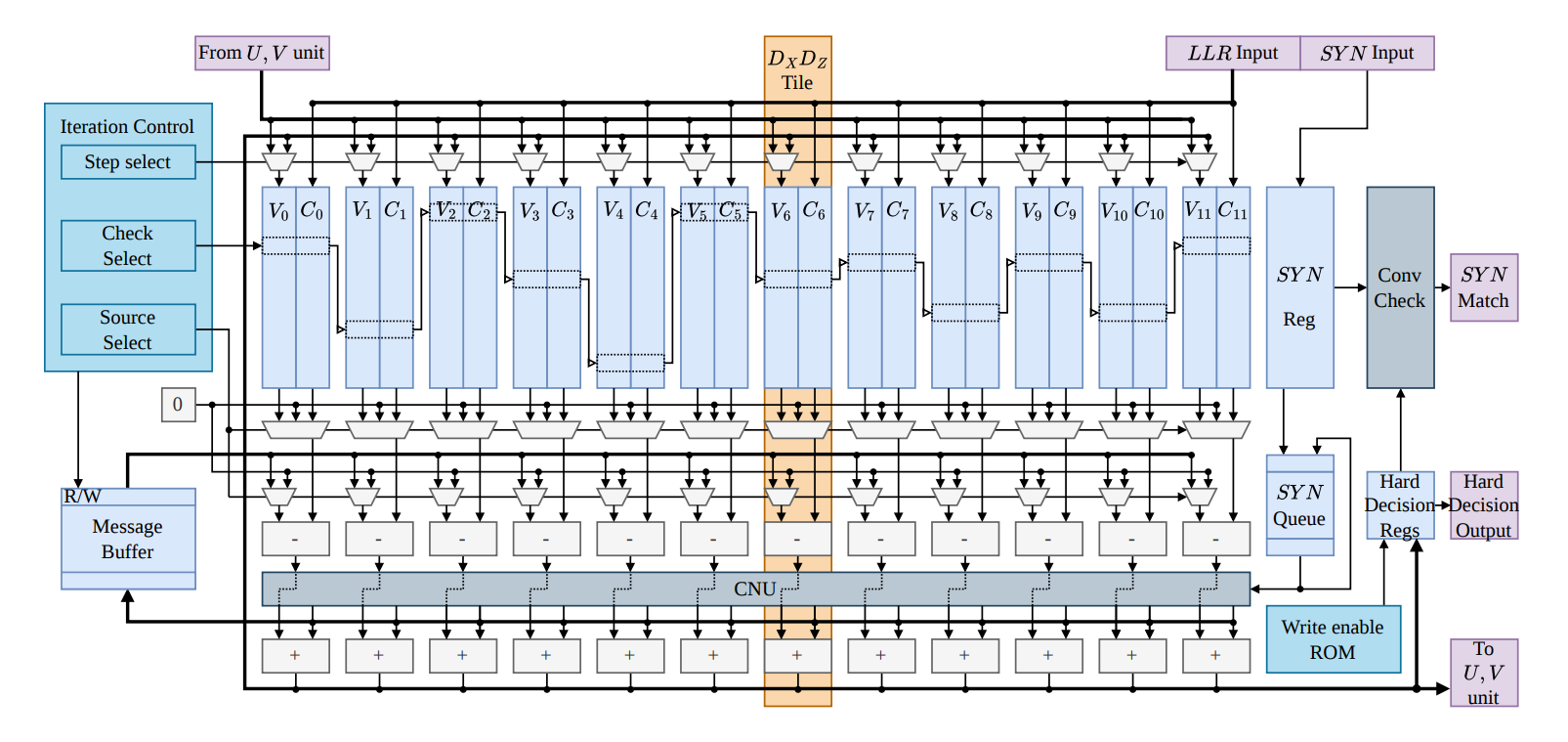
FPGA-Based Hardware Architecture Enables Real-Time Decoding of Quantum LDPC Codes
Researchers from IMDEA Software Institute, Nokia Bell Labs, Complutense University of Madrid, Aalto University, and Quobly have developed an
 quantumcomputingreport.com·13d ago
How AI Is Transforming the Complex Art of RFIC Chip Design
The article explores how artificial intelligence is being applied to the complex field of Radio Frequency Integrated Circuit (RFIC) design —
 spectrum.ieee.org·14d ago
Binary normalized neural networks achieve 32x memory reduction with single-bit parameters while maintaining performance
This paper introduces binary normalized neural network layers where all parameters (kernel weights and biases) are constrained to single-bit
 arxiv.org·9mo ago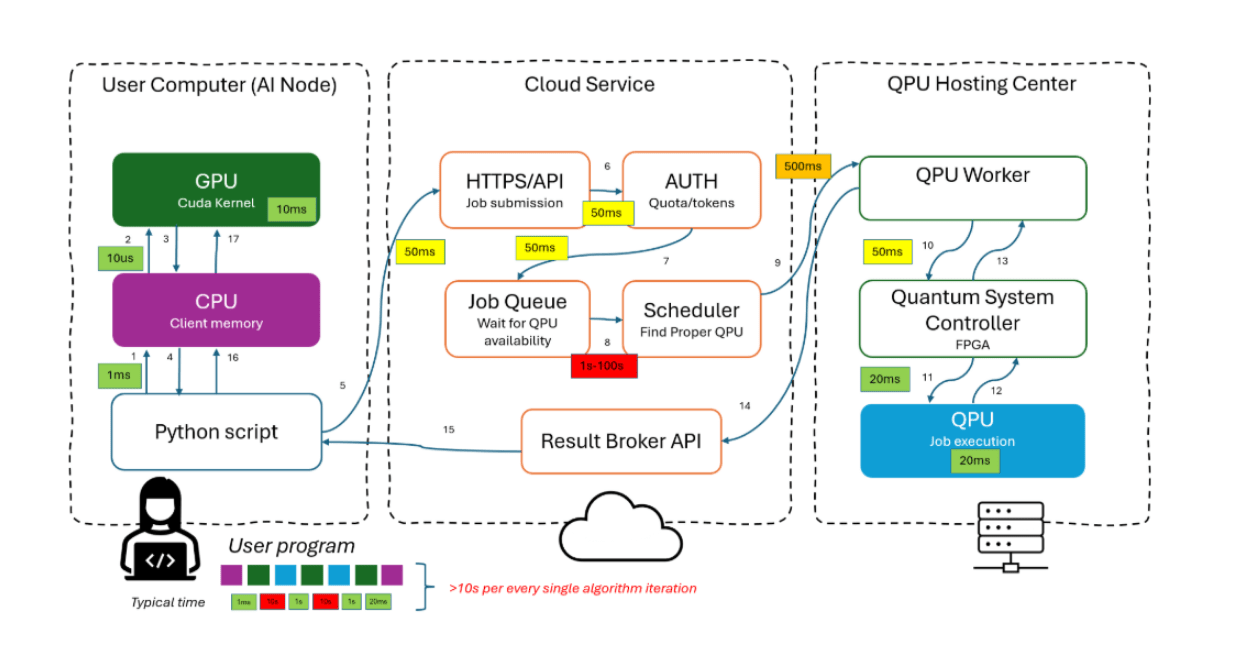
Quandela Validates Low-Latency Photonic QPU Integration with NVIDIA Infrastructure via NVQLink
French photonic quantum computing company Quandela has experimentally validated a low-latency hardware integration path connecting its photo
iq.fp2.dev·14d ago
NeuEdge: A Neuromorphic Computing Framework for Energy-Efficient Edge AI with Adaptive Spiking Neural Networks
This paper presents NeuEdge, a framework for energy-efficient neuromorphic computing on edge devices using adaptive spiking neural networks
arxiv.org·11d ago
Chinese Researchers Develop Analog Chip Claimed to Be 1,000 Times Faster Than Nvidia GPUs for Specific Applications
Chinese researchers from Peking University have developed a new analog chip using resistive random-access memory (RRAM) technology that repo
 livescience.com·8mo ago
Comments
Sign in to join the conversation.
No comments yet. Be the first.