
























NeuEdge: A Neuromorphic Computing Framework for Energy-Efficient Edge AI with Adaptive Spiking Neural Networks
By
[Submitted on 2 Feb 2026]
Summary
This paper presents NeuEdge, a framework for energy-efficient neuromorphic computing on edge devices using adaptive spiking neural networks (SNNs). It combines a temporal coding scheme (blending rate and spike-timing patterns), hardware-aware training that co-optimizes network structure and on-chip placement, and an adaptive threshold mechanism that adjusts neuron excitability based on input statistics. Across vision and audio benchmarks, NeuEdge achieves 91-96% accuracy with up to 2.3 ms inference latency and an estimated 847 GOp/s/W energy efficiency. A case study on autonomous-drone workloads shows up to 312x energy savings compared to conventional deep neural networks while maintaining real-time operation.
Source

 bskyNeuEdge: A Neuromorphic Computing Framework for Energy-Efficient Edge AI with Adaptive Spiking Neural Networksarxiv.org
Key quotes
· 5 pulledNeuEdge uses a temporal coding scheme that blends rate and spike-timing patterns to reduce spike activity while preserving accuracy
An adaptive threshold mechanism adjusts neuron excitability from input statistics, reducing energy consumption without degrading performance
Across standard vision and audio benchmarks, NeuEdge achieves 91-96% accuracy with up to 2.3 ms inference latency on edge hardware
A case study on an autonomous-drone workload shows up to 312x energy savings relative to conventional deep neural networks while maintaining real-time operation
NeuEdge achieves an estimated 847 GOp/s/W energy efficiency
You might also wanna read


Breakthrough in Neuromorphic Photonic Computing with GHz-Scale PSNN Chip
The article discusses a groundbreaking advancement in neuromorphic photonic computing with the development of a photonic spiking neural netw
arxiv.org·11mo ago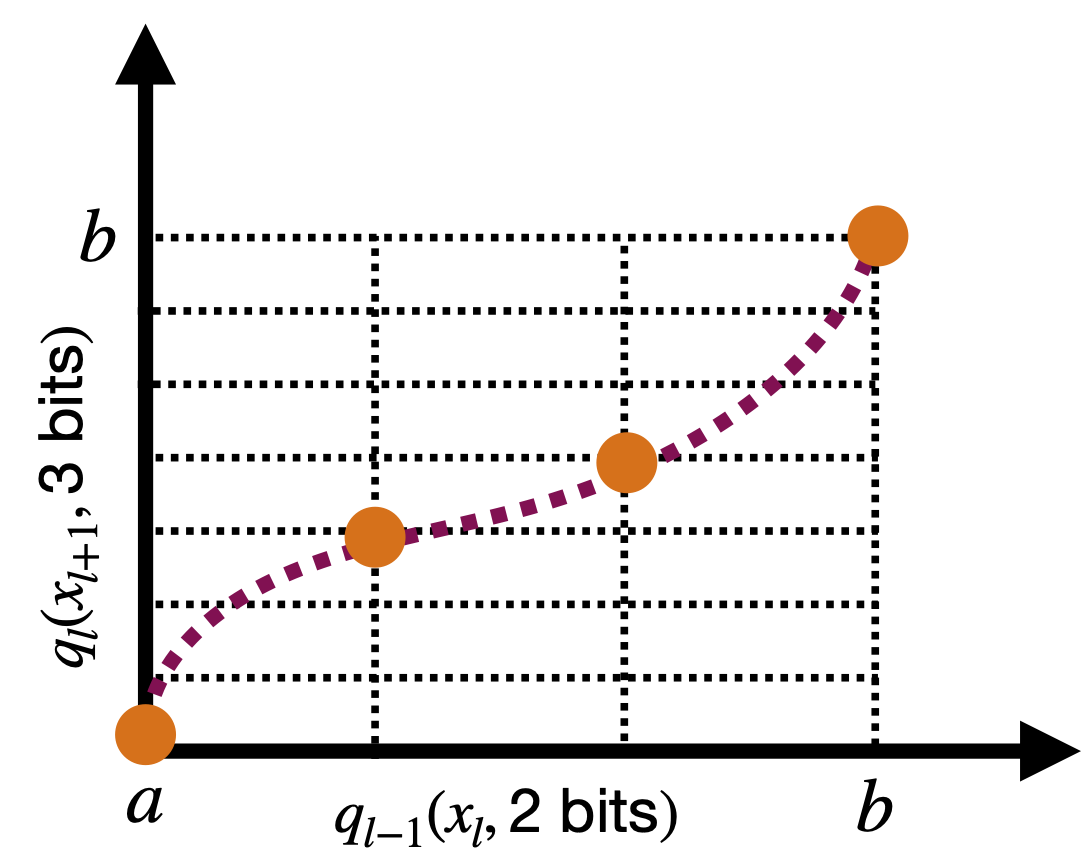
Ultrafast FPGA-based inference and online learning using Kolmogorov-Arnold Networks
This post explains the author's Master's thesis on designing hardware architectures for ultrafast inference and online learning using Kolmog
 aarushgupta.io·26d ago
Un-0: An Image Generator Powered by Coupled Oscillators and Physical Computing
The article introduces Un-0, an image generator built on a simulated system of coupled oscillators — a fundamentally different computing app
 unconv.ai·10d ago
Un-0: An Image Generator Powered by Coupled Oscillators and Physical Computing
The article introduces Un-0, an image generator built on a simulated system of coupled oscillators — a fundamentally different computing app
unconv.ai·10d ago
The Lab Mistake That Might Revolutionize Computing
Neuromorphic Computing: The Future of AI
Shiitake Mushroom Mycelium Used to Create Sustainable Memristors for Neuromorphic Computing
Researchers have developed sustainable memristors using shiitake mushroom mycelium for high-frequency bioelectronics applications. The study
 journals.plos.org·8mo ago
Comments
Sign in to join the conversation.
No comments yet. Be the first.