
























Study reveals how long-distance ocean migrators reorient using compass headings in mid-ocean
By
Nicole Esteban
Summary
This scientific research article investigates how animals navigate during long-distance ocean migrations to specific targets. The authors developed and deployed tracking technology to study compass heading and mid-ocean reorientation behaviors in long-distance ocean migrators. The study addresses the long-standing mystery of animal navigation, building on over a century of research into how animals use celestial cues (like the sun) for compass heading, while also needing a map sense or goal-directed cues to estimate their position relative to their destination. The research provides empirical records of how these animals reorient themselves in the open ocean during migration.
Source

 Twitter / XStudy reveals how long-distance ocean migrators reorient using compass headings in mid-oceanscim.ag
Key quotes
· 3 pulledHow animals navigate during long-distance migrations to specific targets has been an awe-inspiring mystery for a century or more
Many animals can maintain a particular compass heading by using the sun or other celestial compass
In addition to a compass sense, animals also need a mechanism to estimate their position with respect to the goal, for example, through a map sense or the use of cues emanating from the goal
You might also wanna read


Green sea turtles navigate with an imprecise magnetic sense, requiring mid-journey reorientation
Green sea turtles migrating from Brazil to Ascension Island use an "approximate" sense of Earth's magnetic fields to navigate, but their mag
 science.org·5d ago
Exploring Magnetoreception: How Organisms Navigate Using Earth's Magnetic Fields and Implications for Brain Function
The article explores the concept of magnetoreception - the ability of organisms to detect Earth's magnetic fields for navigation. It discuss
 1393.xyz·6mo ago
Homing pigeon navigation relies on superparamagnetic macrophages under overcast conditions
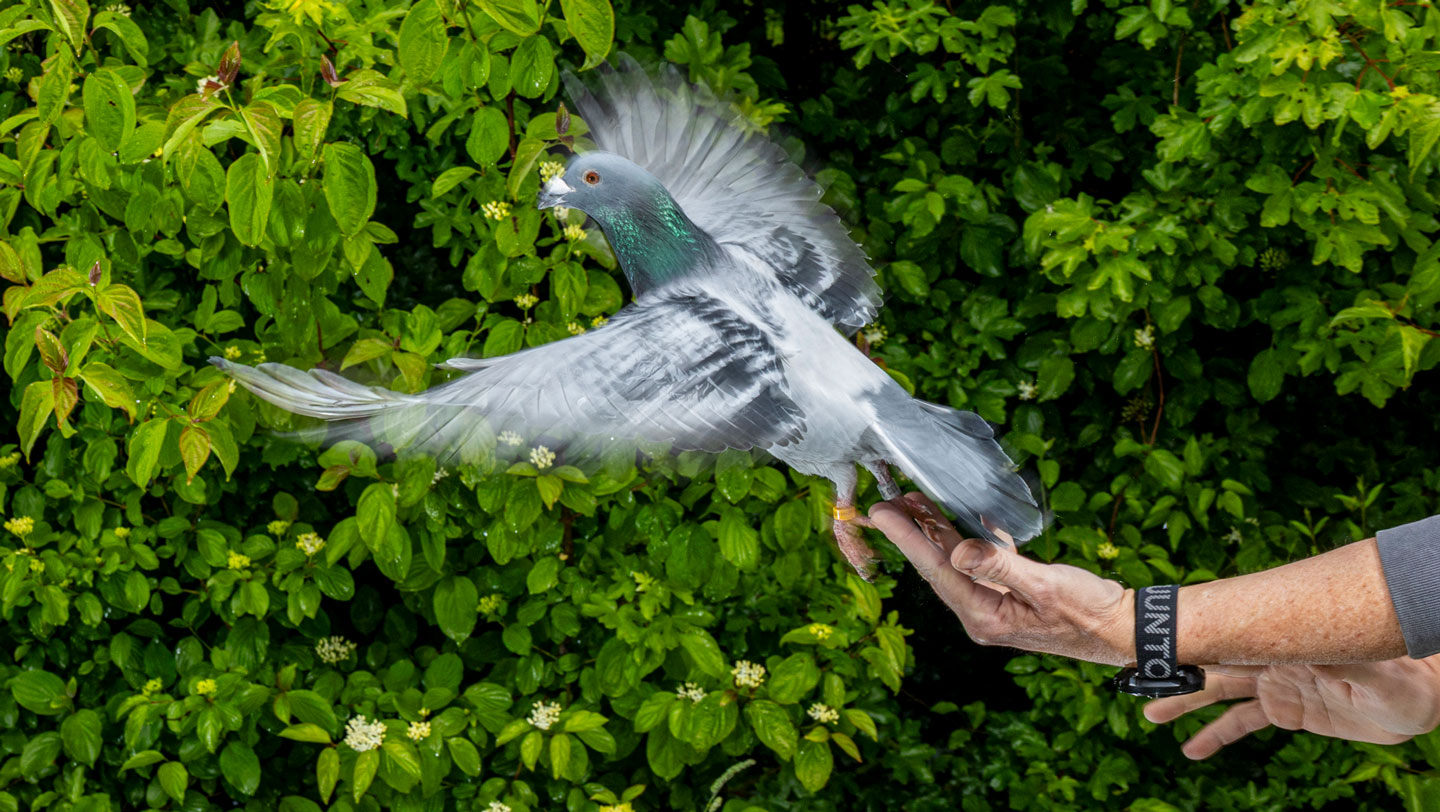
Study suggests homing pigeons may navigate using iron-laden liver immune cells as a magnetic compass
Researchers at the Max Planck Institute of Animal Behavior tested whether homing pigeons use iron-laden immune cells in their livers as a ma
 sciencenews.org·1mo ago
Basking sharks feed during migration by diving into deep scattering layers in the Northwest Atlantic
This scientific study examines the overwintering migration behavior of basking sharks (Cetorhinus maximus) in the Northwest Atlantic Ocean u
 journals.plos.org·23d ago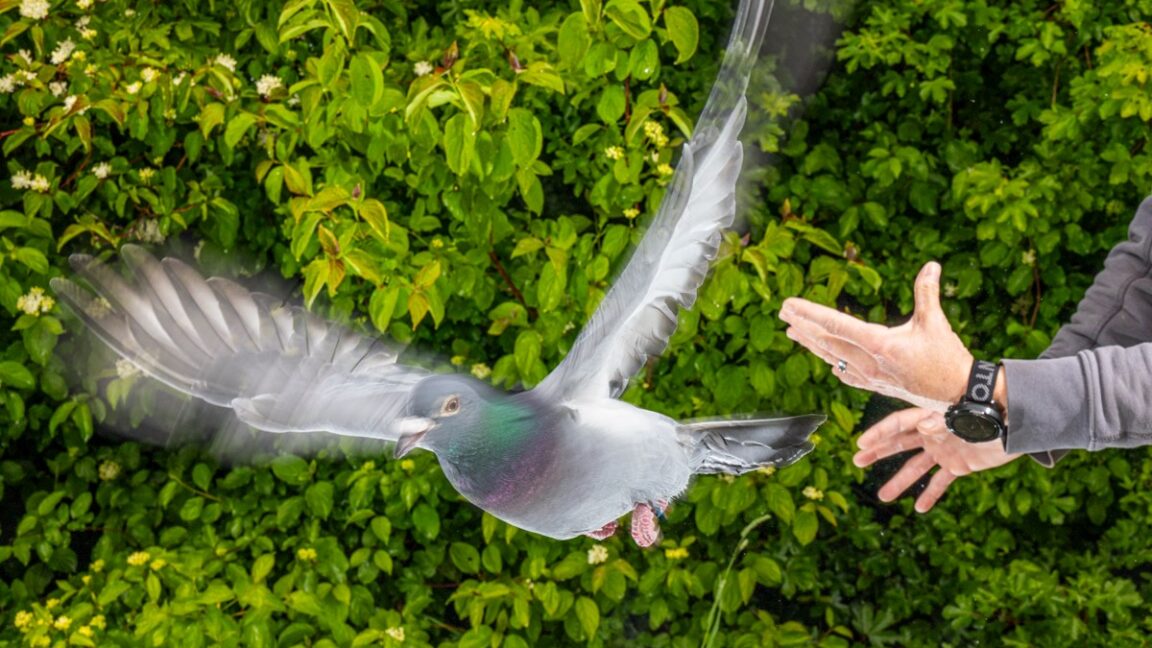
Pigeons use iron-rich liver immune cells as magnetic compass for navigation
Research reveals that pigeons use iron-rich immune cells in their liver as magnetic sensors for navigation, complementing their sun-based or
 arstechnica.com·1mo ago
Comments
Sign in to join the conversation.
No comments yet. Be the first.