
























South Korean Researchers Develop Method to Convert Coffee Grounds into Biochar Fuel
By
Joe Wilkins
Summary
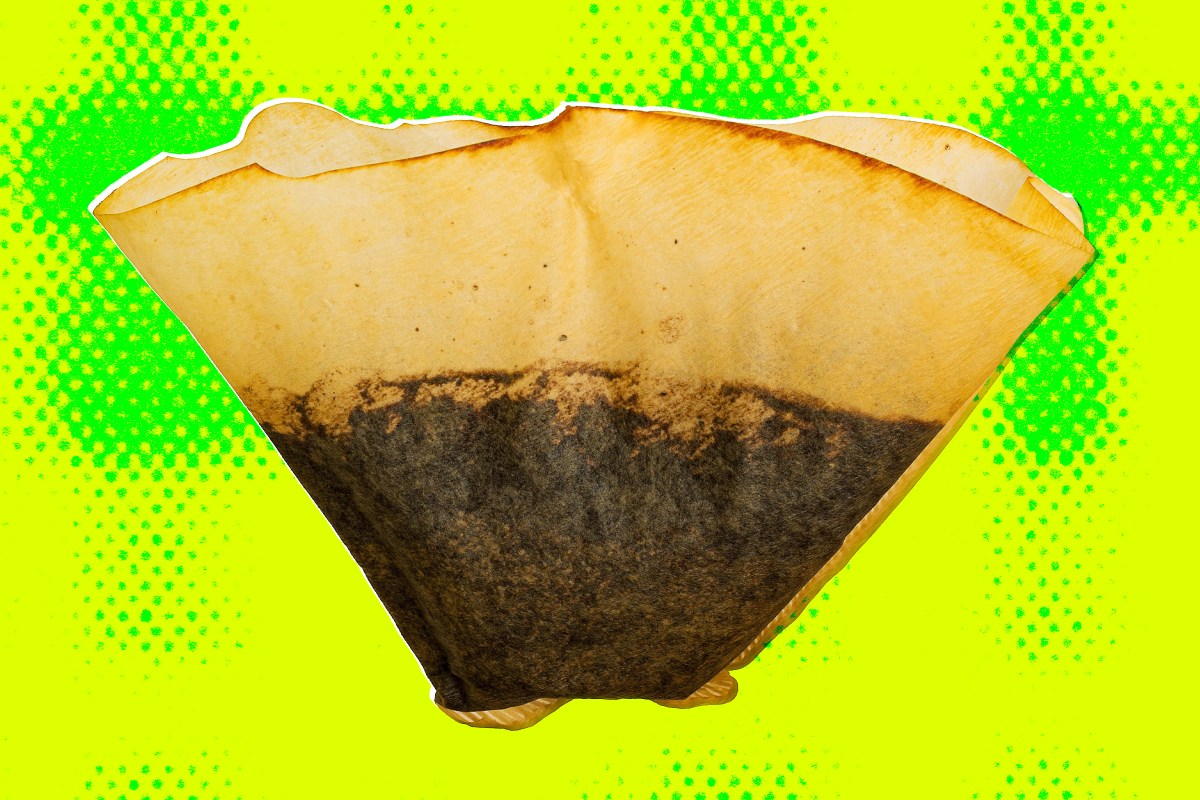
Researchers at South Korea's Korea Institute of Geoscience and Mineral Resources (KIGAM) have developed a method to convert spent coffee grounds into biochar, a high-quality charcoal that can be used as a renewable fuel source. The process reportedly takes about as long as brewing a fresh pot of coffee. The method addresses both waste reduction and renewable energy production by turning a common waste product into a valuable energy resource.
Source
 bskySouth Korean Researchers Develop Method to Convert Coffee Grounds into Biochar Fuelfuturism.com
Key quotes
· 2 pulledAccording to a press release from South Korea's National Research Council of Science and Technology, a team of researchers at the Korea Institute of Geoscience and Mineral Resources (KIGAM) have developed a method to convert spent coffee waste into high-quality charcoal, known as biochar.
How long does it take to convert soggy coffee grounds into a highly efficient fuel source? About as long as it takes to brew a fresh pot of java, researchers say.
You might also wanna read


How physics can help brew better coffee and reduce waste in a climate-threatened industry
This article explores how physics principles can be applied to coffee brewing to reduce waste and improve quality, especially as climate cha

Blast Studio Develops Cupsan Biomaterial from Recycled Coffee Cups
Blast Studio, a London design practice, has developed Cupsan - a new biomaterial made from discarded takeaway coffee cups. The material has
 Dezeen·8mo ago
Singapore Company Flint Begins Production of Biodegradable Paper Battery
Singapore tech company Flint has announced production of a rechargeable 'paper battery' that biodegrades at the end of its life cycle. The t
Dezeen·5mo ago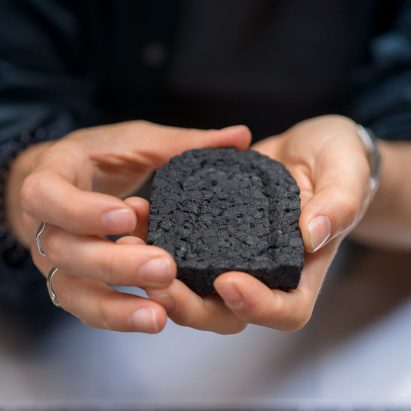
Carbon Cell Develops Carbon-Negative, Compostable Alternative to Polystyrene from Agricultural Waste
British company Carbon Cell has developed a carbon-negative, compostable alternative to polystyrene packaging and building insulation made f
Dezeen·7mo ago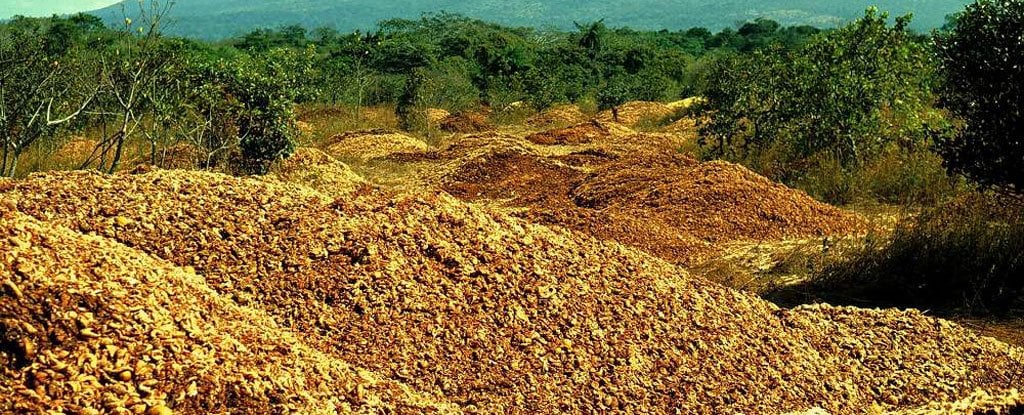
Abandoned Orange Peel Dumping Project Transforms Barren Costa Rican Land into Thriving Forest
An abandoned conservation experiment from the mid-1990s, where a juice company dumped 12,000 tonnes of orange peel waste on barren pasturela
 sciencealert.com·2mo ago
Waste into Construction Materials: Geopolymers from Recycled Sources
Comments
Sign in to join the conversation.
No comments yet. Be the first.