
























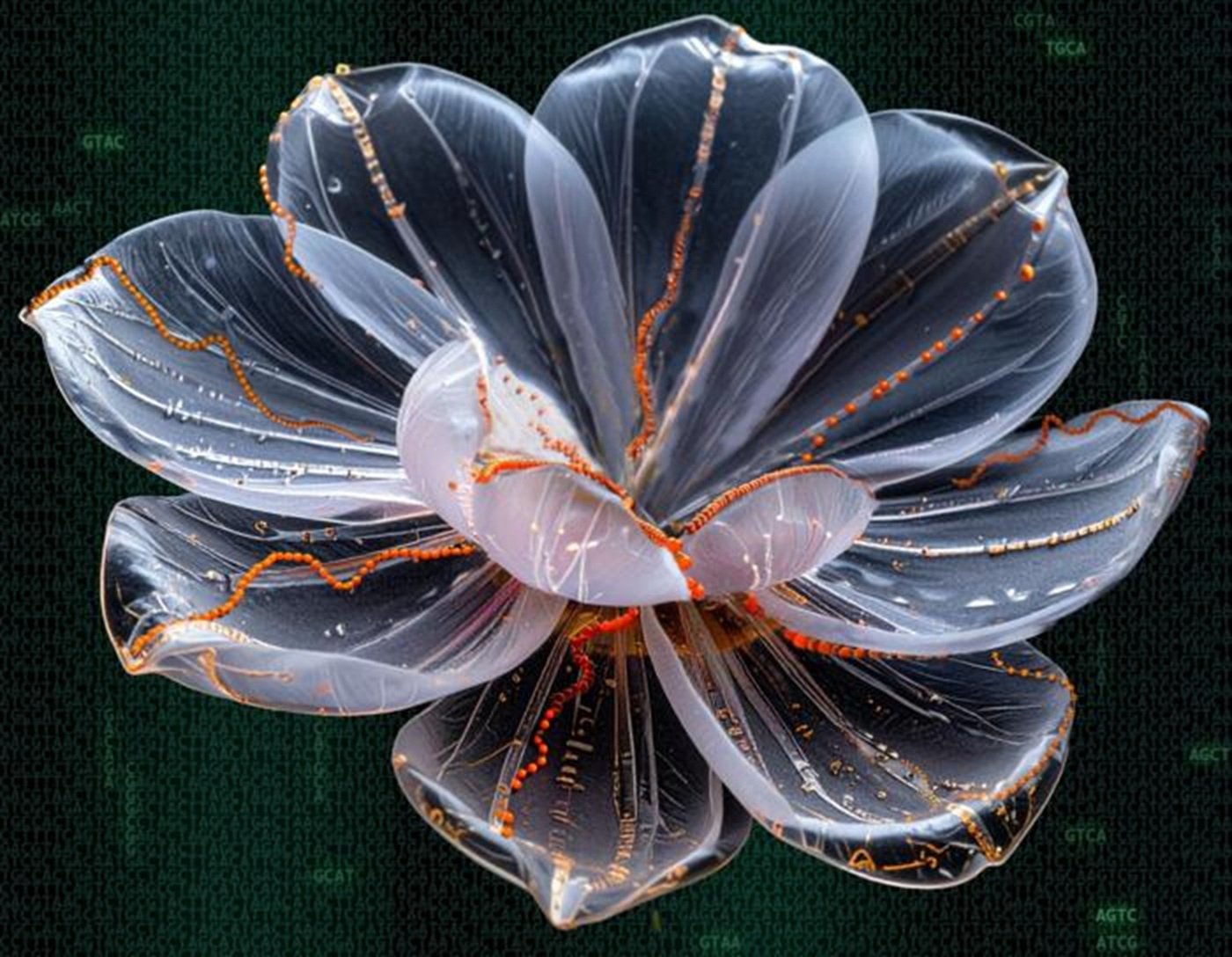
UNC researchers create DNA-based microscopic flowers that open and close in response to acidity
Summary
Researchers at the University of North Carolina at Chapel Hill have developed microscopic, shape-shifting flower-like structures made from crystals that combine DNA with inorganic materials. These "soft robots" use DNA strands inside each crystal as programmable instructions that respond to changes in acidity (pH). When the pH changes, sections of the DNA tighten or loosen, causing the flower petals to open or close in seconds. The arrangement of DNA inside the crystal is the key mechanism — a more acidic environment nudges parts of the DNA to fold up, closing the flower. This technology could potentially be used for targeted drug delivery inside the human body.
Source
 Twitter / XUNC researchers create DNA-based microscopic flowers that open and close in response to acidityuniversal-sci.com
Key quotes
· 5 pulledThe team designed flower-shaped structures from crystals that combine DNA with inorganic materials.
DNA strands inside each crystal act like a set of instructions.
When the surroundings change - especially acidity (pH) - sections of the DNA tighten or loosen.
The arrangement of DNA inside the crystal is the key.
A more acidic environment nudges parts of the DNA to fold up, closing the flower; return the solution
You might also wanna read


De novo design of DNA origami with a generative diffusion model

‘Beautiful blobs’: synthetic life a step closer as scientists make cells using lab-made DNA
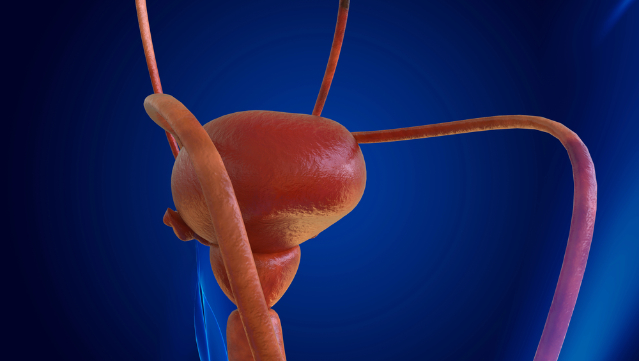
Magnetic algae microrobots boost chemotherapy delivery to bladder tumors in mouse study
Researchers have developed tiny algae-based microrobots guided by magnets that can improve bladder cancer treatment by delivering chemothera
 sbee.link·13d ago
New workflow tool gives scientists a clearer view of how DNA is regulated
Study Challenges Decades-Old View That DNA Is Locked Away When Wrapped Around Nucleosomes
A new study from Gladstone Institutes and the Arc Institute challenges the long-held belief that DNA wrapped around nucleosomes is locked aw
 gladstone.org·2mo ago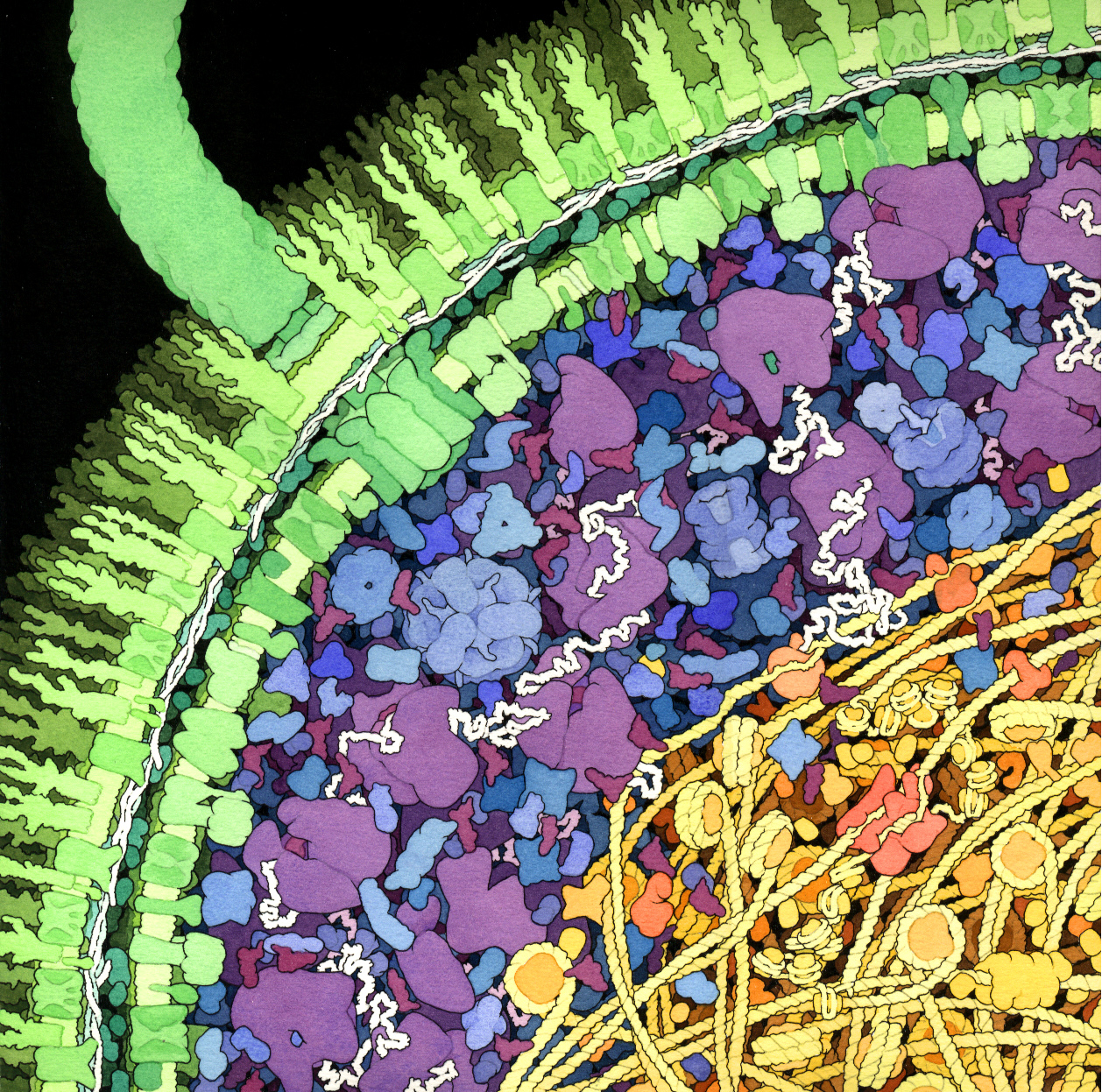
How Cells Pack Miles of DNA Into Microscopic Spaces: The Biology of Molecular Organization
This article explores the remarkable biological challenge of how DNA and other molecules are packed inside tiny cells like E. coli. It uses
 burrito.bio·2mo ago
Comments
Sign in to join the conversation.
No comments yet. Be the first.