
























Lynda Carter donates to establish minimally invasive surgery division at Johns Hopkins, honoring late husband
Summary
Acclaimed actress Lynda Carter toured the Brady Urological Institute's SLICE center at Johns Hopkins, which uses 3D-printed practice organs and DaVinci robots for surgical training. Carter made a gift to establish the Robert Altman Division of Minimally Invasive Surgery at the Brady Urological Institute, honoring her late husband, tech entrepreneur Robert Altman, while advancing surgical research and training under Urologist-in-Chief Mohammad Allaf.
Source

 Twitter / XLynda Carter donates to establish minimally invasive surgery division at Johns Hopkins, honoring late husbandgiving.jhu.edu
Key quotes
· 3 pulledThe intersection of technology and humanity is on full display as 3D printers generate like-life practice organs — that even bleed like real organs.
Surgical trainees use the DaVinci robot for mock surgeries and have their moves tracked and analyzed to provide feedback, increase confidence, and develop expertise.
These kinds of innovations highlight the incredible potential for using technology to advance surgical training and patient care.
You might also wanna read

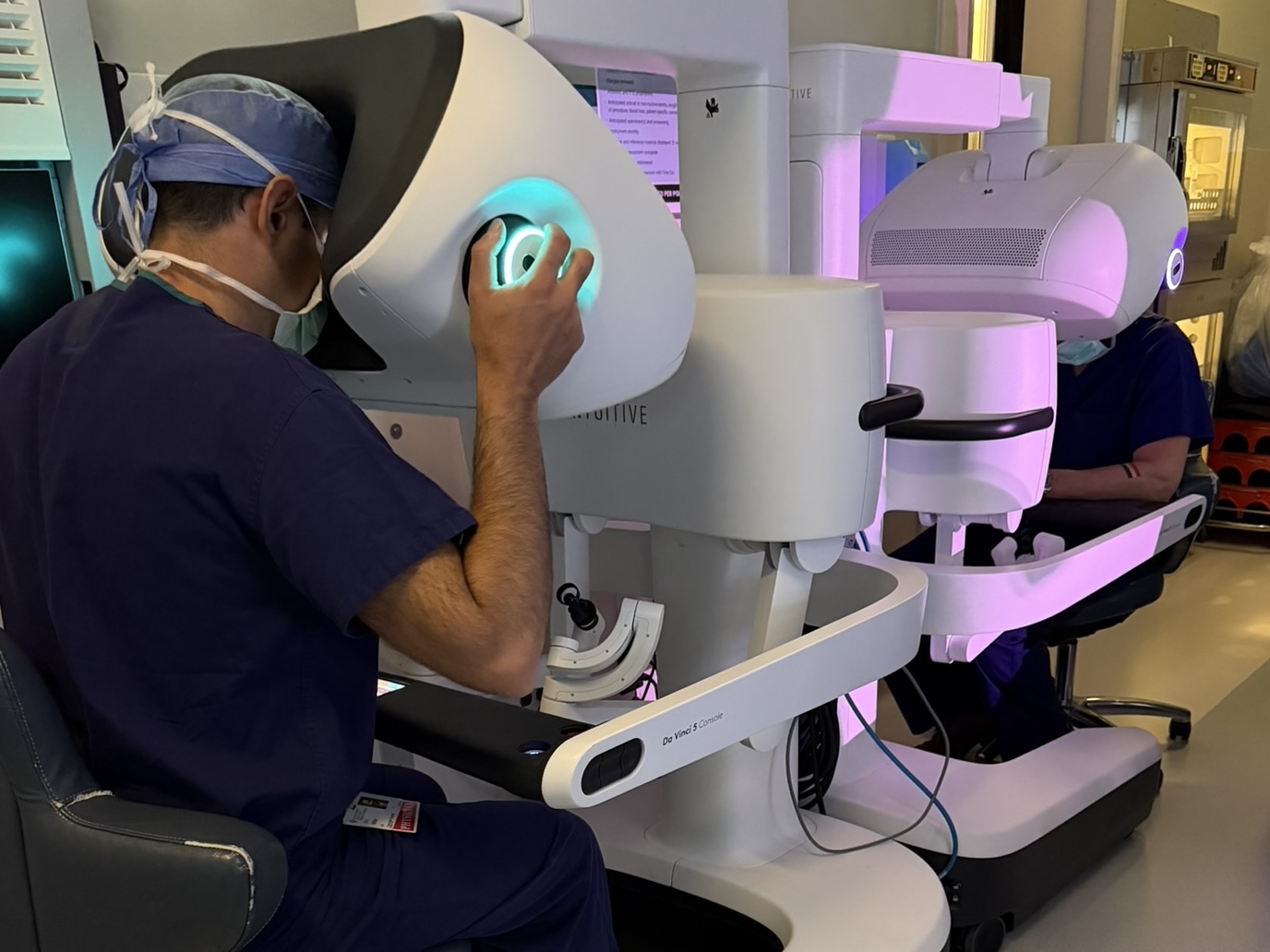
Sutter Health completes first fully robotic living-donor kidney transplant at CPMC San Francisco
Sutter Health's California Pacific Medical Center in San Francisco performed its first fully robotic living-donor kidney transplant using th
 vitals.sutterhealth.org·21h ago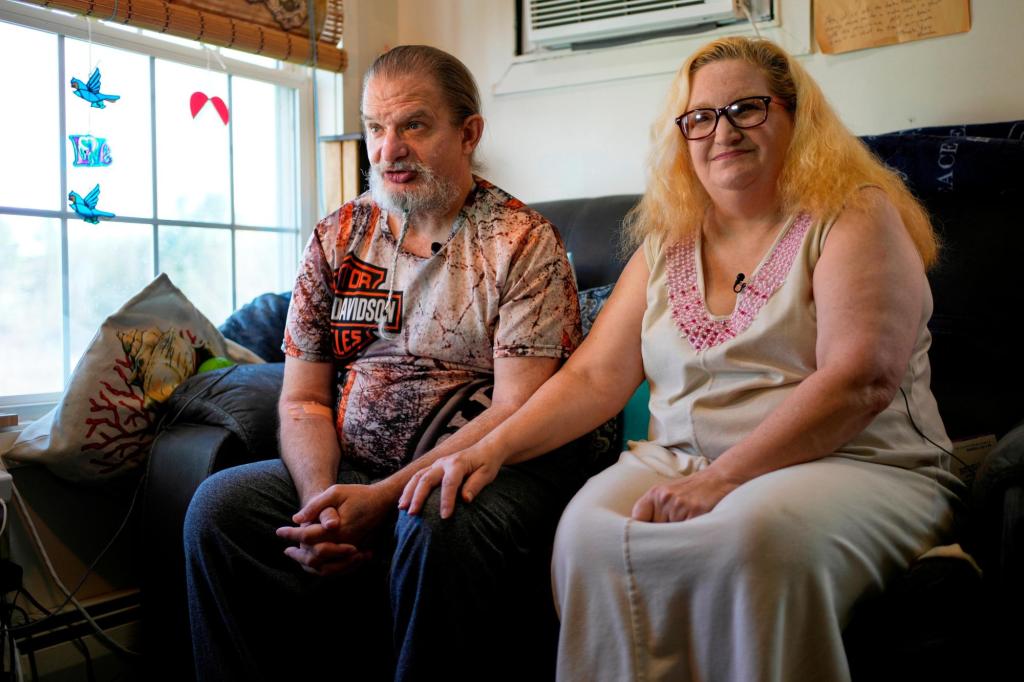
Caregiver robot helps New Hampshire couple age at home amid home care aide shortage
An AP article about Brenda and Brian Marquis, an ailing couple in New Hampshire who rely on a caregiver robot named Robbie to help with dail
 mcall.com·24d ago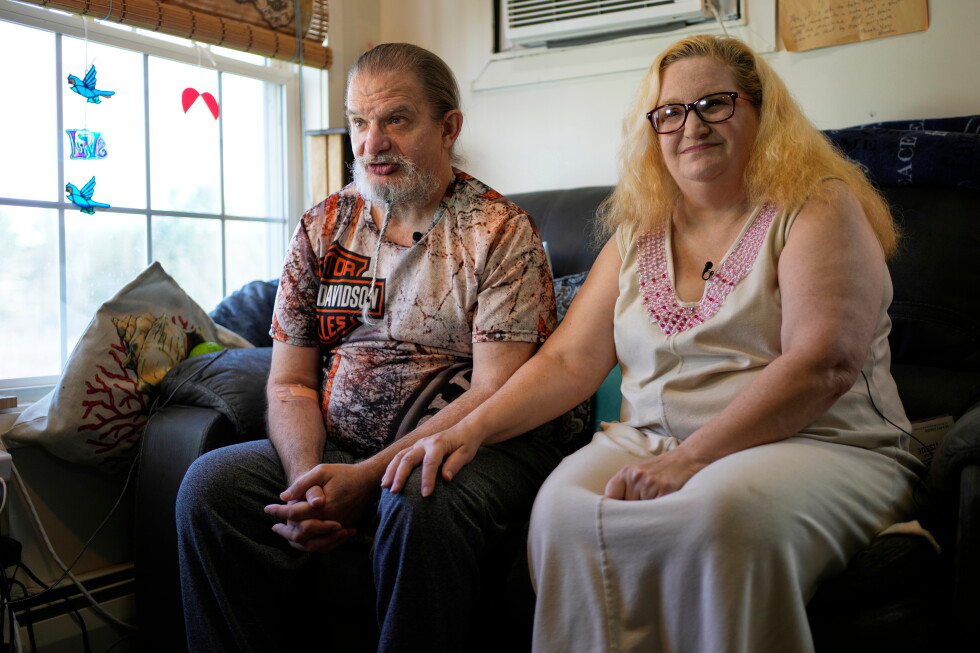
Elder companion robot helps disabled couple age at home amid growing care worker shortage
An elder companion robot named Robbie is helping a New Hampshire couple with disabilities maintain independence at home. Developed with fund
 apnews.com·19d ago
AI-Driven Surgical Robot Successfully Performs Experimental Surgery
John Hopkins University researchers taught a ChatGPT-like AI to perform gallbladder-removal surgery using a DaVinci surgical robot in experi
arstechnica.com·11mo ago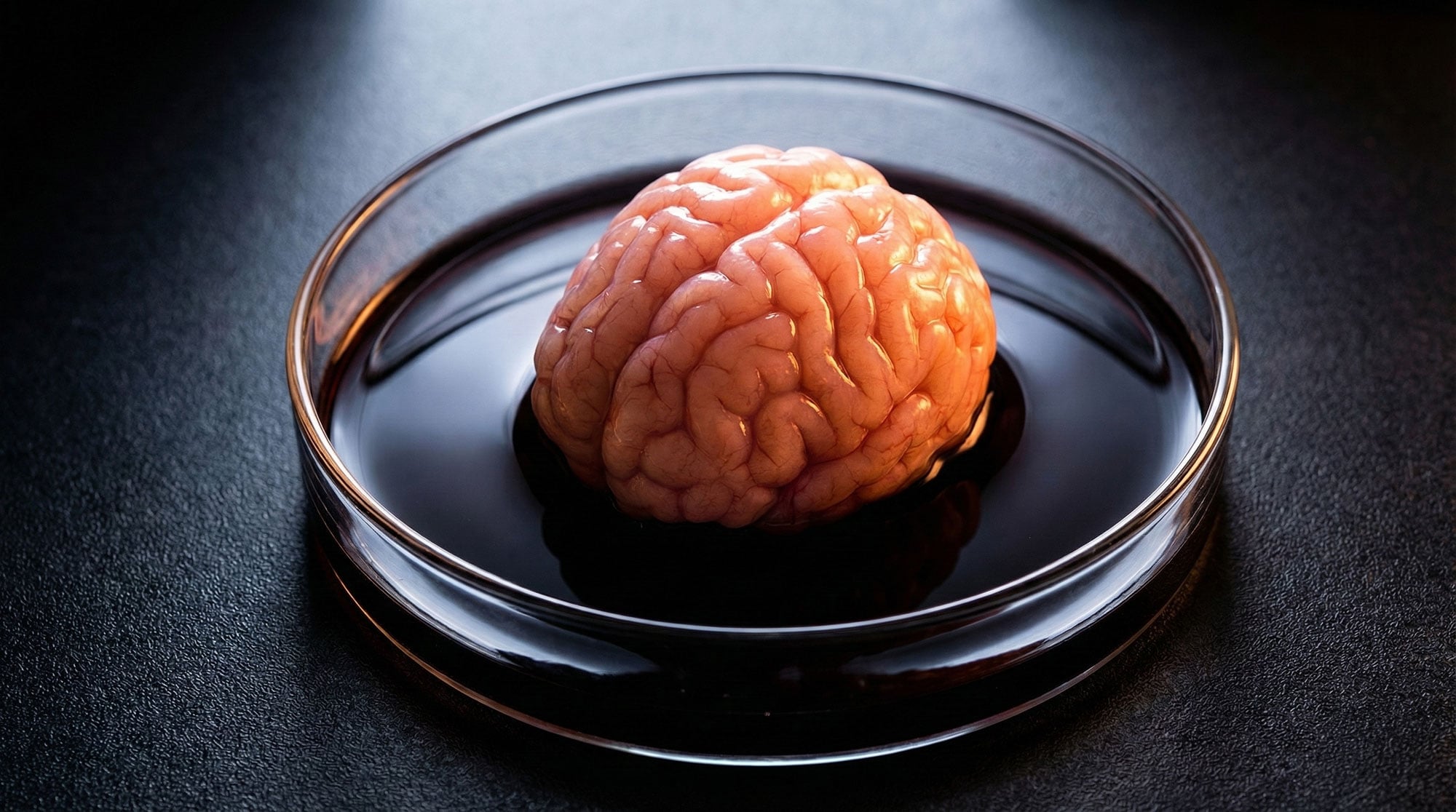
Johns Hopkins Researchers Develop Brain Organoids to Uncover Biological Differences in Alzheimer's Patients
Researchers at Johns Hopkins Medicine have developed patient-derived brain organoids (mini lab-grown brain models) that may help explain why

Trump administration advances AI chatbots for medical diagnosis amid physician concerns
The article discusses the Trump administration's push to integrate AI-powered chatbots into American medicine for diagnosis and prescription
 wapo.st·19d ago
Comments
Sign in to join the conversation.
No comments yet. Be the first.