
























Asteroid Day: Key milestones in the history of asteroid science and planetary defence
Summary
The article celebrates Asteroid Day (June 30), a UN-recognized global event for public education on asteroids and planetary defence. It explains why this date was chosen — referencing the 1908 Tunguska event — and explores key milestones in asteroid history, from early discoveries to modern planetary defence missions. The piece covers the scientific significance of asteroids as leftover building blocks from the Solar System's formation, and highlights humanity's growing ability to detect, track, and potentially deflect hazardous near-Earth objects.
Source
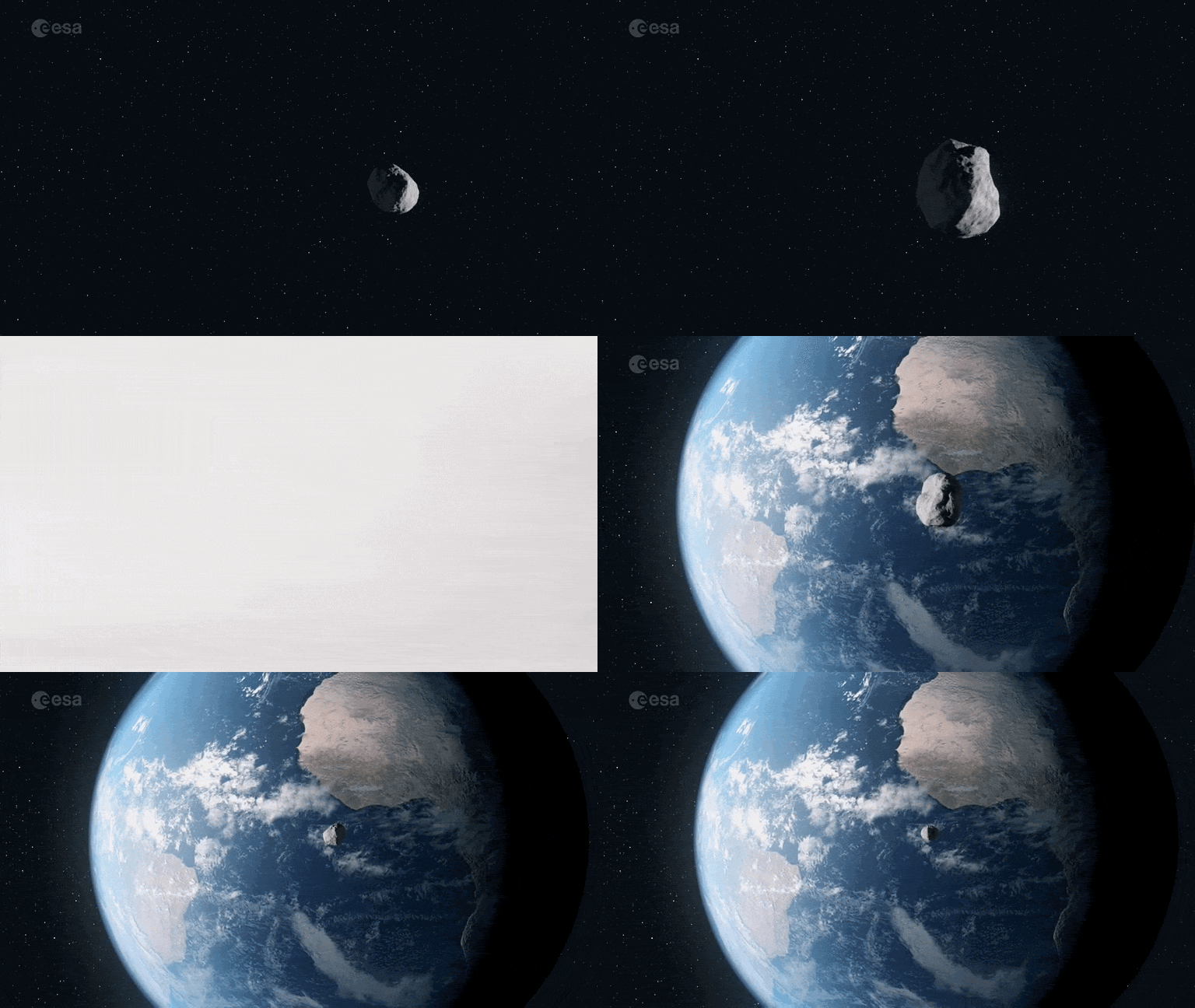 Twitter / XAsteroid Day: Key milestones in the history of asteroid science and planetary defenceesa.int
Key quotes
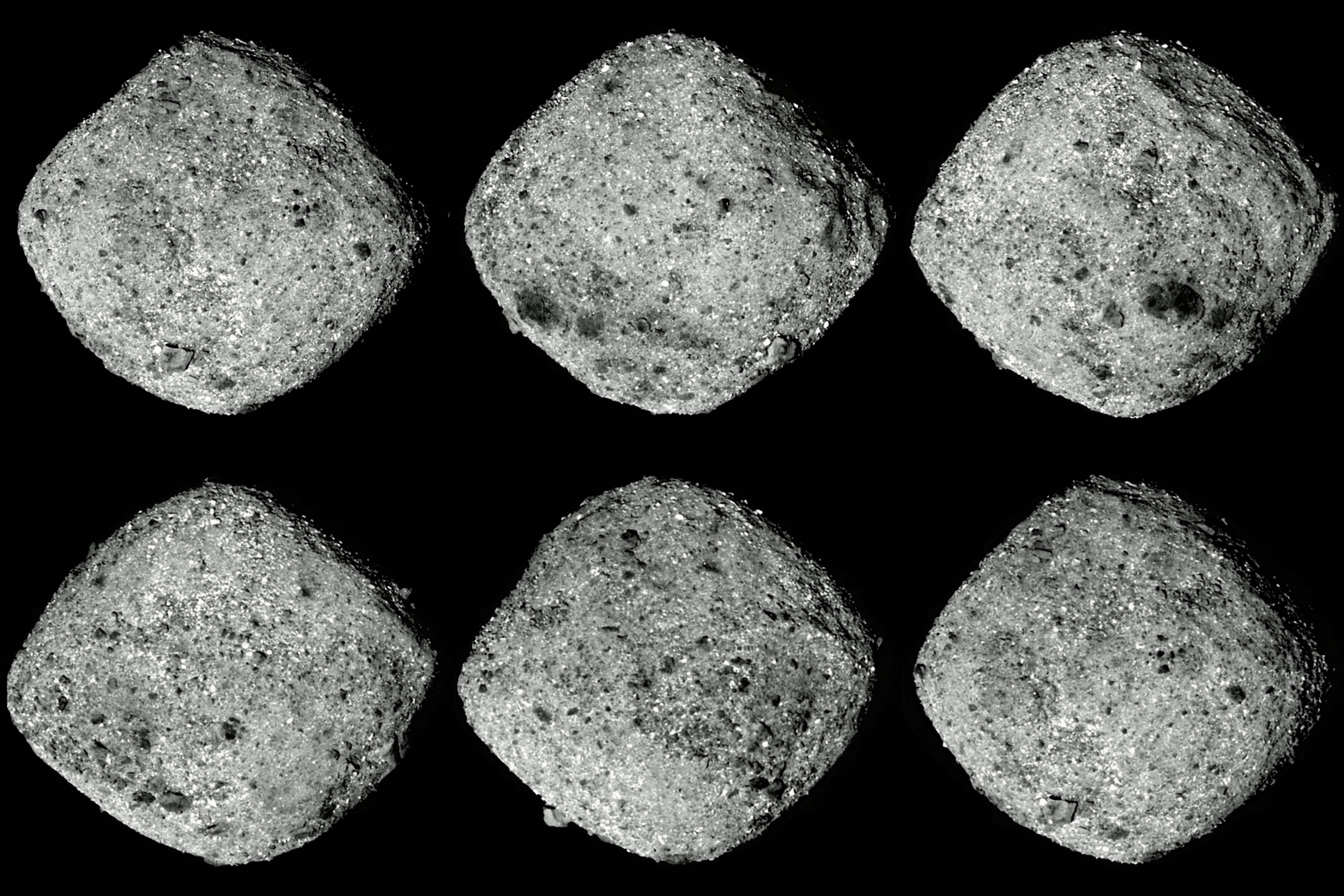
· 3 pulledOnce considered by 19th century astronomers as 'vermin of the sky' for their tendency to creep across long exposures, asteroids are leftover objects from the creation of the Solar System.
Happy Asteroid Day! Today is the annual UN-recognised global event to promote public education on asteroids and planetary defence.
The vast majority of them are located within the Asteroid Belt between Mars and Jupiter.
You might also wanna read

fQitU0d9.gif (1024×1024)
Oldest known asteroid impact on Earth dated to 3 billion years
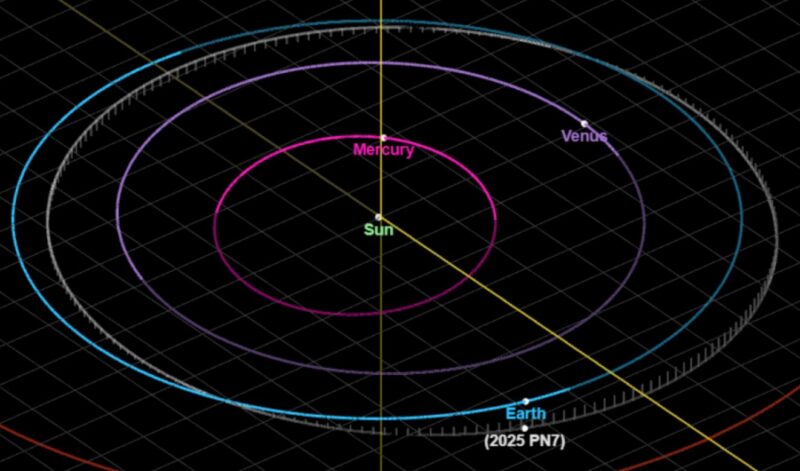
Astronomers Discover Quasi-Moon Asteroid That Has Orbited Near Earth Since 1957
Astronomers have discovered a 19-meter-wide asteroid named 2025 PN7 that has been orbiting near Earth since 1957. This 'quasi-moon' doesn't
 explorersweb.com·9mo ago
5,500-Year-Old Sumerian Star Map Records Massive Asteroid Impact
A 5,500-year-old Sumerian star map, discovered in King Ashurbanipal's library in Nineveh, Iraq, has been identified as recording a massive a
 archaeologyworlds.com·5mo ago
Space archaeology: How studying human artifacts in orbit and beyond reveals insights about life on Earth
Space archaeology emerged as a subdiscipline around the year 2000 with significant Australian contributions. The field encompasses archaeoas
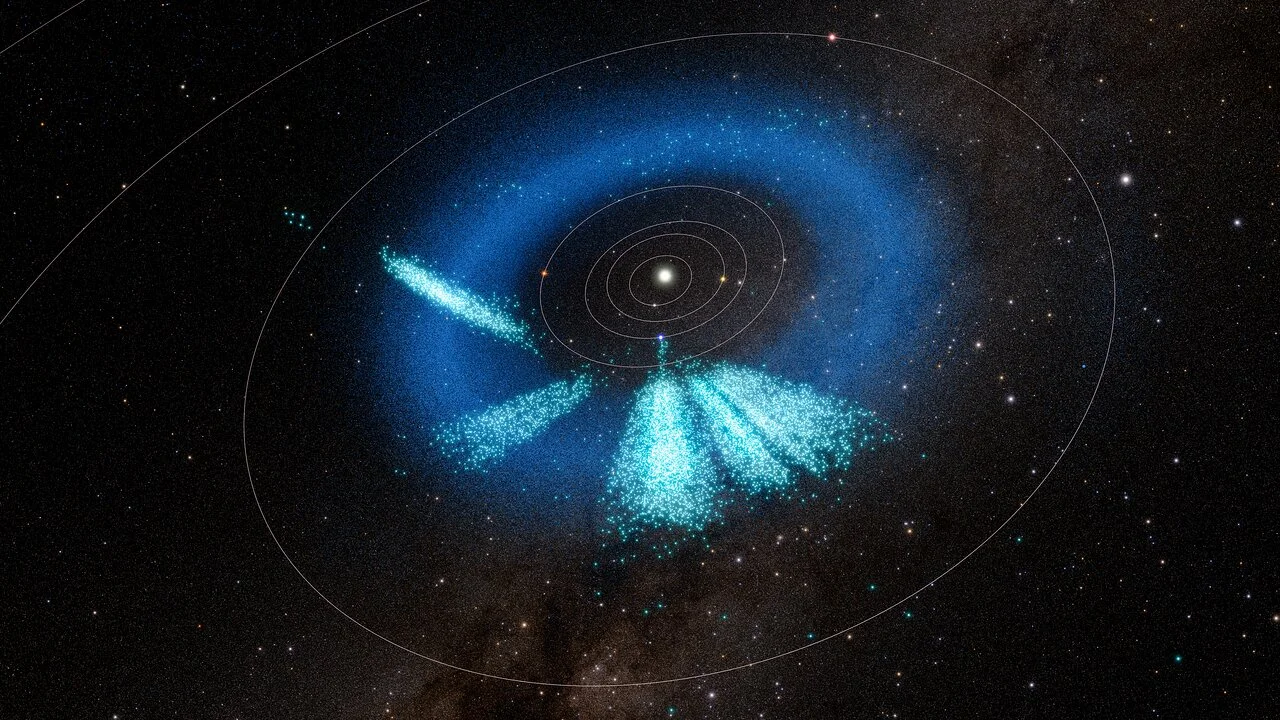
Vera C. Rubin Observatory Discovers 11,000 New Asteroids Before Official Survey Launch
The Vera C. Rubin Observatory, using preliminary data before its official 10-year Legacy Survey of Space and Time (LSST) begins, has already
 universetoday.com·2mo ago
Comments
Sign in to join the conversation.
No comments yet. Be the first.