
























Katalyst's LINK Servicing Spacecraft Integrated into Pegasus XL Rocket for Swift Observatory Orbit Boost
By
Jeanette Kazmierczak
Summary
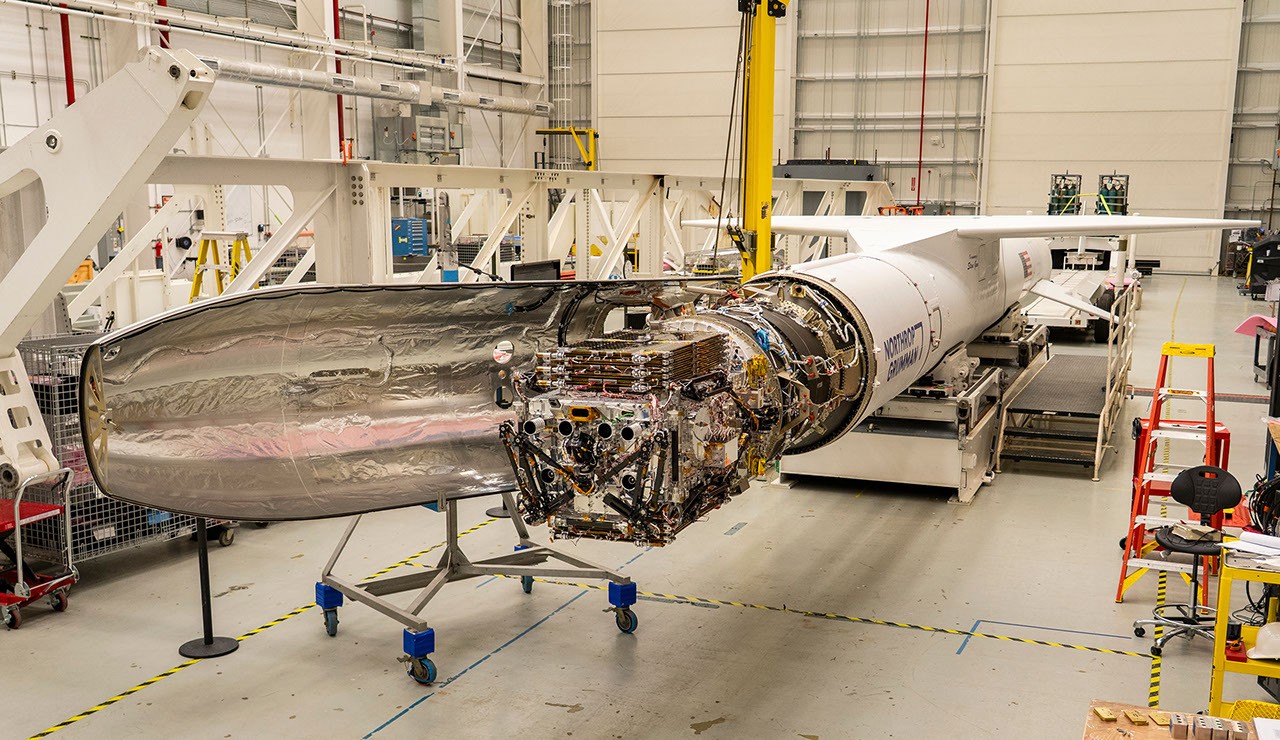
Engineers completed integration of Katalyst Space's LINK robotic servicing spacecraft into a Northrop Grumman Pegasus XL rocket at NASA's Wallops Flight Facility. The mission aims to raise the orbit of NASA's Neil Gehrels Swift Observatory, which has experienced altitude decay due to atmospheric drag exacerbated by recent solar activity. Launch is expected later this month.
Source
 bskyKatalyst's LINK Servicing Spacecraft Integrated into Pegasus XL Rocket for Swift Observatory Orbit Boostscience.nasa.gov
Key quotes
· 4 pulledEngineers completed installation of Katalyst Space's LINK robotic servicing spacecraft into a Northrop Grumman Pegasus XL rocket on Tuesday, June 9, at NASA's Wallops Flight Facility in Virginia.
NASA contracted Katalyst to build and launch LINK to raise the altitude of the agency's Neil Gehrels Swift Observatory.
Our planet's atmosphere creates drag for spacecraft in low Earth orbit, gradually reducing their altitudes if they don't have propulsion systems to counteract the effect.
Recent solar activity magnified this effect on Swift, and its orbit...
You might also wanna read

Katalyst Space to Launch Rescue Mission for NASA's Falling Swift Observatory
Arizona-based startup Katalyst Space is attempting a rapid rescue mission for NASA's aging Swift Observatory, which has been studying gamma-
 forbes.com·1d ago
NASA and Katalyst Space Technologies race to rescue $500 million satellite mission in under a year
NASA asked three companies if they could build and launch a satellite in under a year to rescue a $500 million astronomy mission at risk of
 arstechnica.com·4d ago
NASA's Aging Launch Infrastructure Struggles to Meet Growing Mission Demands
NASA's launch infrastructure at Kennedy Space Center and Wallops Flight Facility — including launch pads, utility systems, and transportatio
 go.nasa.gov·1d ago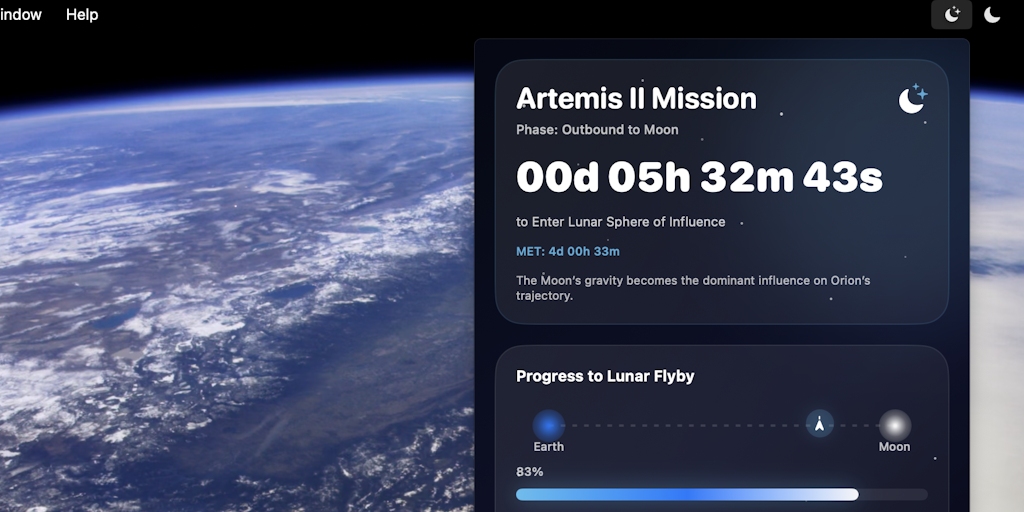
Moonshot: macOS Menu Bar App for Real-Time Artemis II Mission Tracking
A macOS menu bar application built with SwiftUI that provides real-time tracking of NASA's Artemis II mission, displaying mission phases, co
 Product Hunt·2mo ago
NASA partners with Relativity Space for 2028 Mars orbiter mission
NASA has partnered with Relativity Space to design, build, and launch the next Mars orbiter, set for 2028. The spacecraft will carry NASA's
 space.com·4d ago
NASA partners with Relativity Space for 2028 Mars orbiter mission
NASA has partnered with Relativity Space to design, build, and launch the next Mars orbiter, set for 2028. The spacecraft will carry NASA's
space.com·4d agoNASA partners with Relativity Space for 2028 Mars orbiter mission
NASA has partnered with Relativity Space to design, build, and launch the next Mars orbiter, set for 2028. The spacecraft will carry NASA's
space.com·4d ago
ESA's European Service Module Powers Orion's Lunar Journey
The article highlights the critical role of the European Space Agency (ESA) in the Orion spacecraft mission. The European Service Module pro
Comments
Sign in to join the conversation.
No comments yet. Be the first.