





















ESA's European Service Module Powers Orion's Lunar Journey
Summary
The article highlights the critical role of the European Space Agency (ESA) in the Orion spacecraft mission. The European Service Module provides power, propulsion, life support, and thermal control for Orion's journey around the Moon and back to Earth. Key features include four large solar arrays, 33 engines (including a repurposed Space Shuttle engine), and systems that supply air, water, and temperature regulation for astronauts.
Source
 Twitter / XESA's European Service Module Powers Orion's Lunar Journeyesamultimedia.esa.int
Key quotes
· 4 pulledWithout ESA engineering, Orion would be going nowhere.
The European Service Module powers, propels and sustains the Orion spacecraft and its crew on their journey around the Moon and safely back to Earth.
A quartet of solar arrays, each stretching seven metres, give electricity to the spacecraft, while its systems provide air, water, and a comfortable temperature for the astronauts.
Thirty-three engines, including a powerful repurposed Space Shuttle engine, would guide Orion through deep space and perform critical manoeuvres on the lunar journey.
You might also wanna read

NASA's Artemis Program: Returning to the Moon and Preparing for Mars Missions
NASA's Artemis program aims to return humans to the Moon for scientific discovery, technology advancement, and to develop capabilities for f
 nasa.gov·2mo ago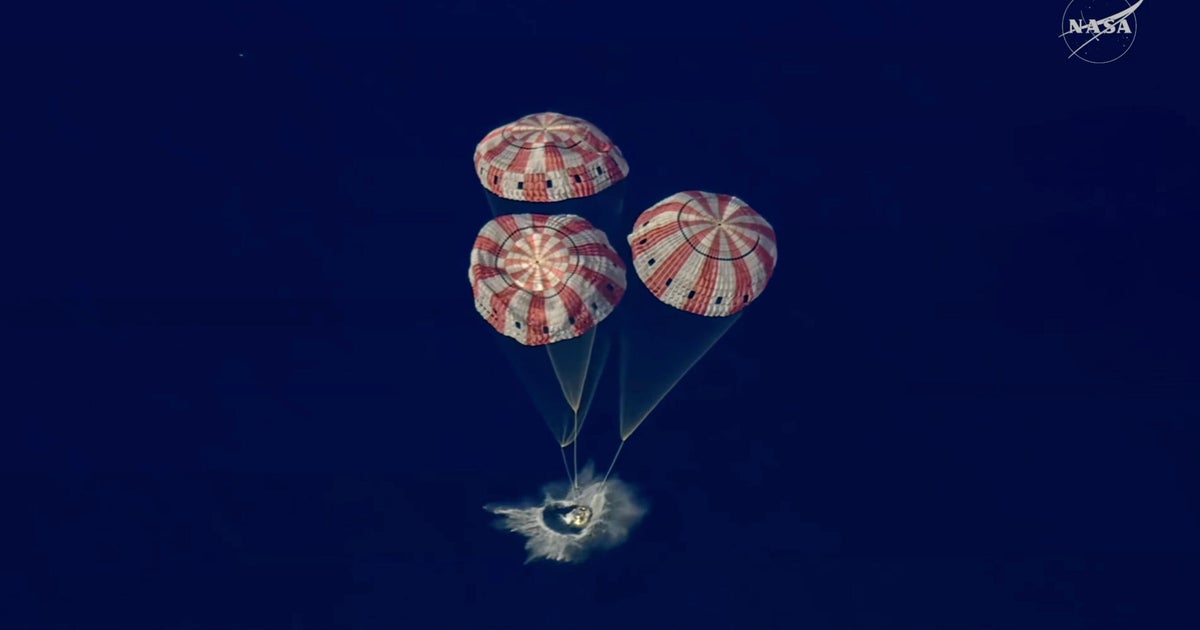
NASA's Artemis II Mission Concludes with Successful Pacific Ocean Splashdown
NASA's Artemis II mission successfully concluded with the Orion spacecraft splashing down in the Pacific Ocean near San Diego after a histor
 cbsnews.com·2mo ago
Artemis II astronauts face toilet malfunction during 10-day lunar mission
NASA's Artemis II mission, launched April 1, 2026, successfully completed a 10-day lunar flyby with four astronauts testing Orion spacecraft
 sciencefriday.com·21d ago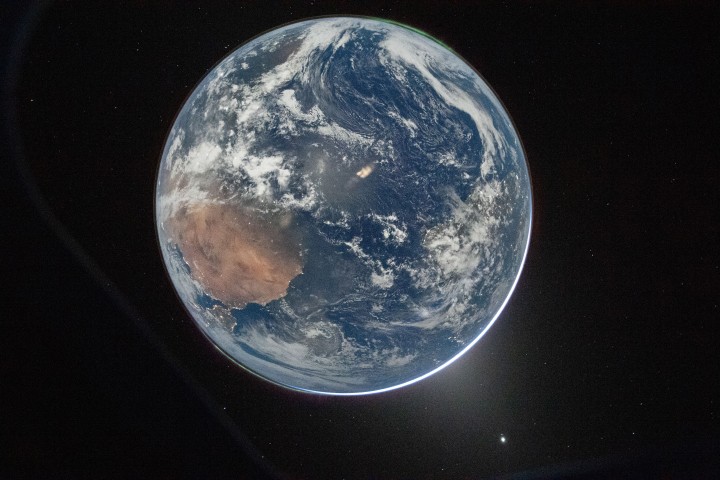
Artemis II Astronaut Captures Moonlit Earth From Orion Spacecraft
An astronaut aboard the Artemis II Orion spacecraft captured a stunning image of Earth from deep space, showing the full disk of our planet
 science.nasa.gov·9d ago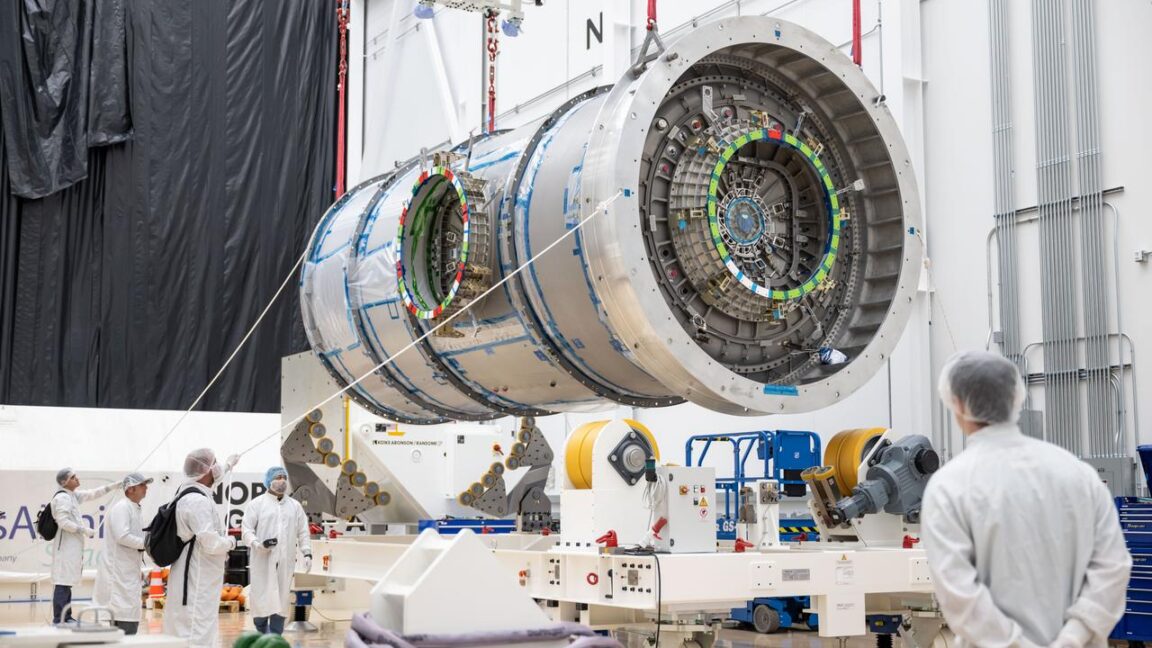
NASA halts Northrop Grumman's work on Lunar Gateway's HALO module amid shift to Moon base strategy
NASA has asked Northrop Grumman to stop work on the HALO module for the Lunar Gateway, following a shift in lunar strategy from an orbital s
 arstechnica.com·2d ago
NASA halts Northrop Grumman's work on Lunar Gateway's HALO module amid shift to Moon base strategy
NASA has asked Northrop Grumman to stop work on the HALO module for the Lunar Gateway, following a shift in lunar strategy from an orbital s
arstechnica.com·2d ago
How NASA built Artemis II's fault-tolerant computer system with eight redundant CPUs
NASA's Artemis II spacecraft uses a highly redundant fault-tolerant computer system with eight CPUs running flight software in parallel. The
 A Learning a Day·1mo ago