





















How NASA built Artemis II's fault-tolerant computer system with eight redundant CPUs
By
@alearningaday

Crisped on the outside, thoughtful enough on the inside.
Summary
NASA's Artemis II spacecraft uses a highly redundant fault-tolerant computer system with eight CPUs running flight software in parallel. The Orion vehicle employs two Vehicle Management Computers, each containing two Flight Control Modules, with each module consisting of a self-checking pair of processors. The system follows a "fail-silent" design philosophy where if a CPU performs an incorrect operation, the entire pair shuts down silently, ensuring reliability for deep space missions.
Key quotes
· 4 pulledOrion utilizes two Vehicle Management Computers, each containing two Flight Control Modules, for a total of four FCMs.
each FCM consists of a self-checking pair of processors
Effectively, eight CPUs run the flight software in parallel.
The engineering philosophy hinges on a 'fail-silent' design.
You might also wanna read

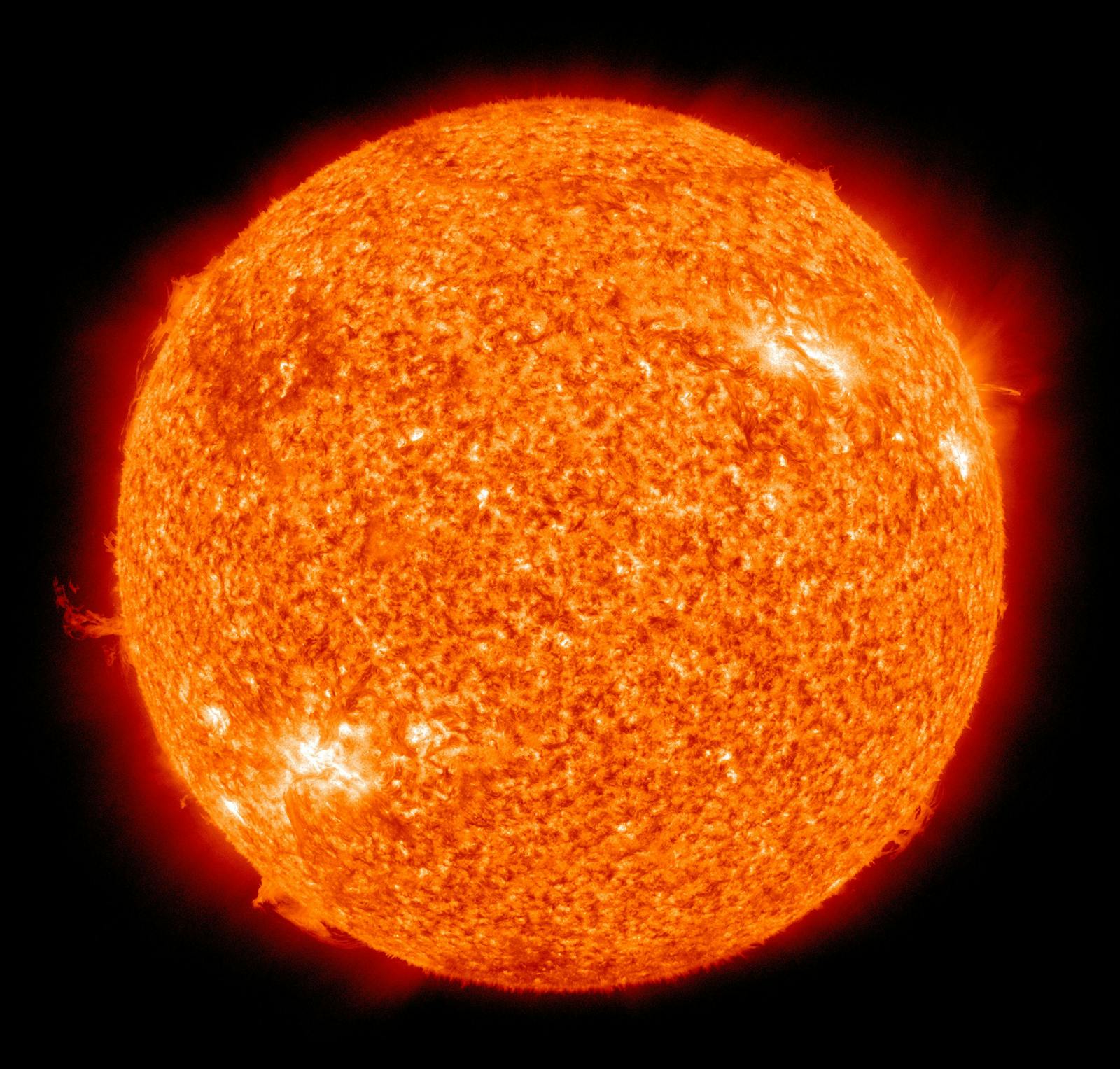
Parker Solar Probe flies through Sun's corona at 430,000 mph with revolutionary heat shield technology
NASA's Parker Solar Probe is successfully flying through the Sun's outer atmosphere (corona) at 430,000 mph, protected by a 4.5-inch carbon
 spacedaily.com·22h ago
China Launches First 12 Satellites for Planned 2,800-Satellite Space-Based Supercomputer Constellation
China has launched 12 AI-powered satellites as the first phase of the "Three-Body Computing Constellation," a planned network of 2,800 satel
 orbitaltoday.com·1d ago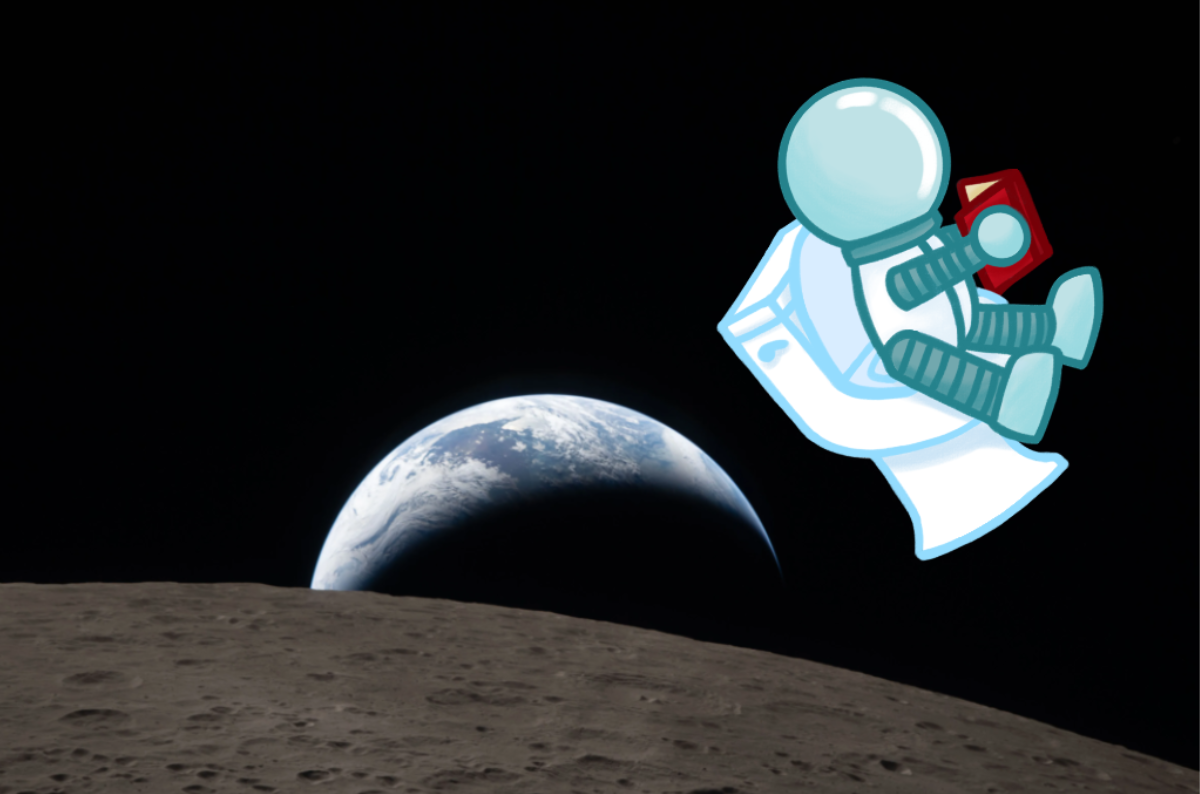
Artemis II astronauts face toilet malfunction during 10-day lunar mission
NASA's Artemis II mission, launched April 1, 2026, successfully completed a 10-day lunar flyby with four astronauts testing Orion spacecraft
 sciencefriday.com·1d ago
New Research Overturns Long-Held Belief That Smoother Surfaces Always Reduce Aerodynamic Drag
A long-held principle of aeronautical engineering — that smoother surfaces always reduce aerodynamic drag — has been overturned by new resea
 wired.com·7d ago
The Technical Challenges of Space Toilets and Waste Management in Microgravity
The article explores the challenges and history of bathroom facilities in space, detailing how astronauts have traditionally used dietary re
 mceglowski.substack.com·1mo ago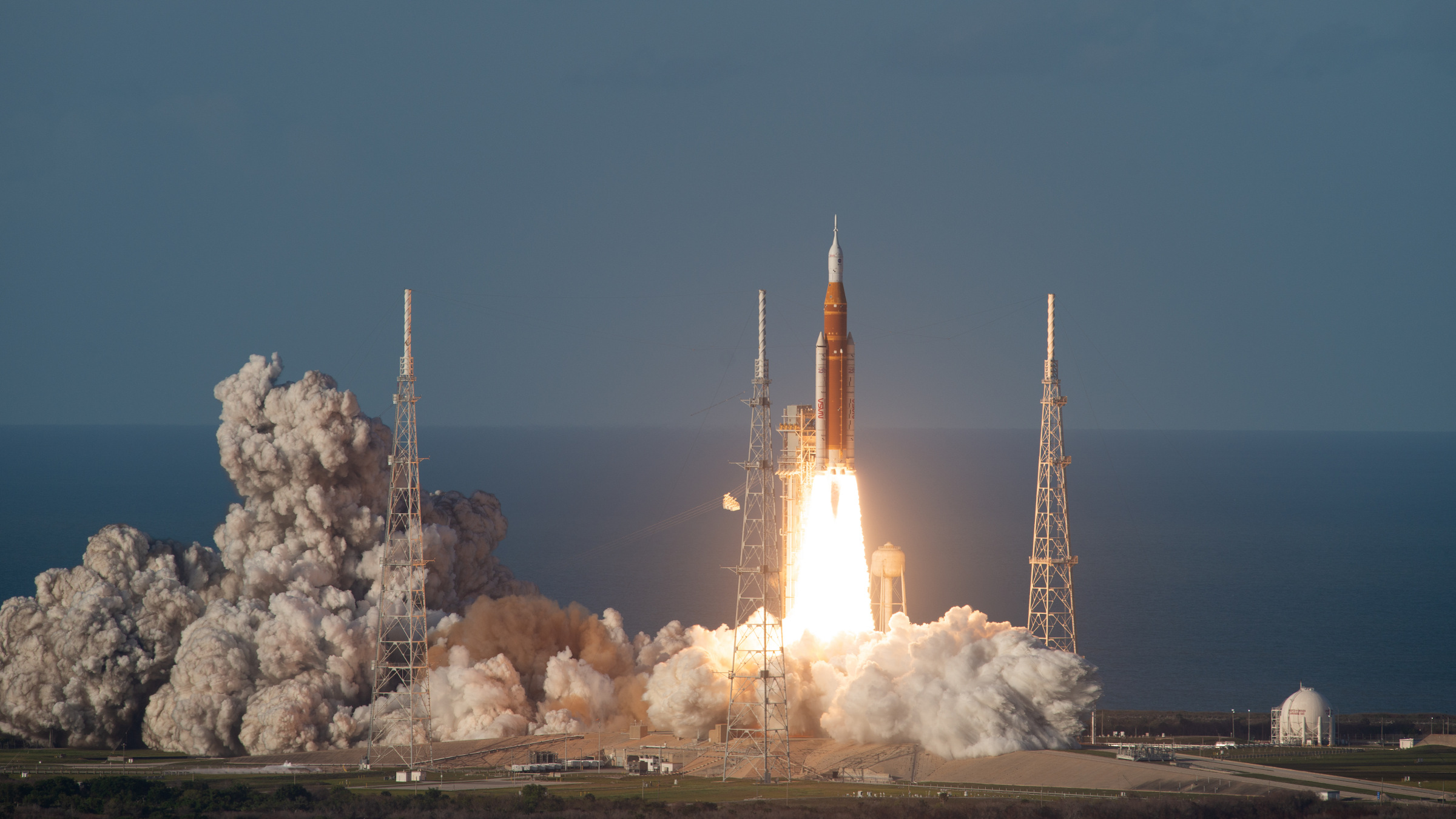
NASA's Artemis II Computer System: Fault-Tolerant Design Compared to Apollo Era Technology
The article compares the computer systems of NASA's Artemis II lunar mission with the Apollo-era guidance computers, highlighting the dramat
 cacm.acm.org·1mo ago