
























Baker's Take· 1 source
 Baker's Take
New Research Overturns Long-Held Belief That Smoother Surfaces Always Reduce Aerodynamic Drag

By
Mr Bagel
Covered by wired.com
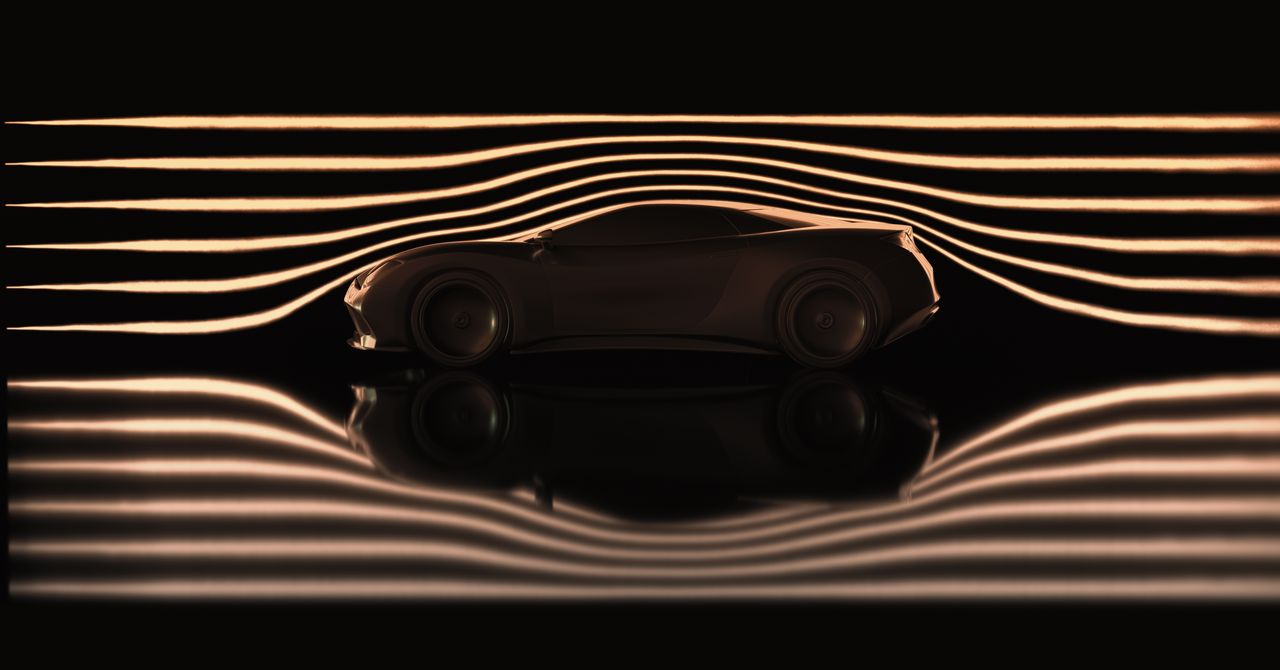
New research has overturned the long-held aeronautical principle that smoother surfaces always reduce aerodynamic drag. Hacker News reported that certain surface textures can help maintain laminar flow longer by delaying the transition to turbulent flow, challenging conventional wisdom for high-speed vehicles. Bluesky added that under certain high-speed conditions, intentionally roughened surfaces can improve performance by manipulating the boundary layer. The findings could lead to new design approaches for aircraft, cars, and bullet trains.
The reporting
1 outlet covered this story. Each links to the original.
0
Comments
Sign in to join the conversation.
No comments yet. Be the first.