
























Reusing Transmission Pan Gasket: Is It Safe?
Source
cycookery.comReusing Transmission Pan Gasket: Is It Safe?cycookery.comTransmission pan gaskets can be reused, but it is not recommended. While some people have reported reusing gaskets multiple times over several years without any issues, others have experienced leaks and other problems. The rubber part of the gasket can compress over time, causing it to lose its ability to seal properly. RTV is often suggested as a superior alternative to gaskets for its sealing and bonding capabilities, but it can be time-consuming to apply and remove. Ultimately, the decision to reuse a transmission pan gasket depends on the specific situation and the vehicle owner's preference. Transmission Pan Gasket: Reuse Characteristics Characteristics Values Reusability Reusable within reason, but the rubber part of the gasket can compress over time, losing its ability to seal. Ease of Servicing Using a gasket makes future servicing easier. Manufacturer Recommendation Ford and GM explicitly state not to use RTV on their units, but rather to use their high-quality gaskets. Leak Prevention RTV is superior at sealing if properly applied and used on a perfectly clean and dry surface. Ease of Removal RTV can be time-consuming and difficult to remove. What You'll Learn Reusing gasket vs RTV Reusable gaskets can fail Gaskets on sensitive parts Rubber gaskets compress over time Gaskets are easy to service Reusing gasket vs RTV Reusing a gasket vs using RTV is a highly debated topic. RTV is a room-temperature vulcanizing rubber that is used as a sealant or adhesive. It is a type of gasket maker that can create a custom gasket shape. Some people prefer to reuse gaskets, especially on sensitive parts like a transmission. They argue that reusing gaskets makes future servicing easier and that bits of RTV can fall off inside the machinery. They also point out that RTV can be time-consuming to remove if the job needs to be redone. On the other hand, proponents of RTV argue that it has superior sealing and bonding capabilities compared to reusable gaskets. They suggest that the rubber part of a gasket can compress over time, causing it to lose its ability to seal. RTV, when properly applied to a clean and dry surface, can provide a stronger seal. Some mechanics suggest using a combination of both methods. They recommend using RTV in areas prone to leaking and to hold gaskets in place. However, they emphasize that a well-fitted gasket of proper quality may not require RTV at all. It is important to note that some manufacturers explicitly state not to use RTV on their units, and they have engineered high-quality gaskets that may not be 100% reusable but are still designed to be effective. Ultimately, the decision between reusing a gasket and using RTV depends on various factors, including the specific application, the quality of the gasket, and personal preference. Master Chef Cookware: Worth the Hype? You may want to see also Reusable gaskets can fail One of the primary reasons reusable gaskets can fail is the loss of sealing ability. The rubber part of a gasket can compress over time, especially after the original bond is broken. This compression can cause the gasket to lose its ability to seal properly, leading to leaks and other issues. Even if a gasket appears to be in good condition, with no visible cracks or damage, the rubber may have degraded, compromising its sealing capabilities. Improper installation is another factor that can lead to the failure of a reused gasket. Gaskets must be installed correctly and on a perfectly clean and dry surface to ensure an effective seal. If the gasket is not installed properly, it may not seal correctly, leading to potential leaks and other complications. Additionally, during the removal process, the gasket may become stuck, causing small bits of rubber to come off, which can further compromise its integrity. Reused gaskets may also fail due to exposure to certain substances or conditions. For example, exposure to brake cleaner can cause the gasket to shrink, affecting its ability to seal properly. Moreover, the age of the gasket and the number of miles on the vehicle can also impact its reusability. Older gaskets may become brittle or lose their flexibility, making them more prone to failure. While some people opt to use RTV (Room Temperature Vulcanizing) silicone as an alternative to gaskets, it is not without its drawbacks. RTV requires a perfectly clean and dry surface for proper application, and mistakes during installation can be time-consuming and challenging to correct. Therefore, it is crucial to carefully consider the advantages and disadvantages of reusing gaskets or using alternatives like RTV. While reusable gaskets offer convenience and cost savings, they may fail due to various factors, emphasizing the importance of regular inspection and maintenance to ensure their effectiveness and longevity. The Peeling Pan Mystery: Why Cast Iron Needs Care You may want to see also Gaskets on sensitive parts Gaskets are essential components in many mechanical systems, including cars, and play a critical role in sealing and preventing leaks. When it comes to reusing transmission pan gaskets, there are several factors to consider, especially when dealing with sensitive parts. While some people advocate for reusing gaskets, others argue that it is a risky practice that can lead to issues down the line. One of the primary concerns with reusing transmission pan gaskets is the potential for leaks. Over time, the rubber part of the gasket can compress and lose its ability to seal effectively, leading to leaks. This is a significant issue, as leaks can cause damage to the transmission and other components, leading to costly repairs. Therefore, it is crucial to inspect the gasket for any signs of wear, cracks, or compression before considering reusing it. Another factor to consider is the age and mileage of the gasket. Gaskets that are older or have been used extensively may be more prone to failure. While some people have reported successfully reusing gaskets for many years, others have experienced issues with leaks and gasket failure. It is worth noting that gaskets are designed to be reused within a certain timeframe and mileage threshold, beyond which their sealing capabilities may deteriorate. Additionally, the type of gasket and the specific vehicle model play a role in the decision to reuse. Some gaskets, such as the AX4N gasket, are known to be reusable, while others may not be as durable or reliable when reused. It is always recommended to refer to the vehicle manufacturer's guidelines and recommendations. Some manufacturers, like Ford and GM, explicitly advise against using RTV (Room Temperature Vulcanizing) on their units, highlighting the importance of using high-quality gaskets designed for reusability. When dealing with sensitive parts, it is generally advisable to prioritize reliability and safety. While reusing gaskets may be possible in certain situations, it is essential to carefully assess the condition of the gasket, consider the age and mileage, and follow manufacturer guidelines. In some cases, it may be more prudent to opt for a new gasket or an alternative sealing method, such as RTV, to ensure optimal performance and prevent potential leaks or damage to sensitive components. Cleaning Your Smoker Drip Pan: A Step-by-Step Guide You may want to see also Rubber gaskets compress over time Gaskets are used to create a seal between two components, preventing leaks. They are commonly used in automotive applications, such as transmission pans, to contain fluids and maintain pressure. While gaskets can be made from various materials, rubber is a popular choice due to its sealing capabilities and compressibility. Rubber gaskets, including those made from silicone rubber, possess viscoelastic properties. This means that they exhibit both viscous and elastic behaviour when subjected to a force. As a result, rubber gaskets can undergo deformation and compression over time. This compression is not instantaneous but occurs gradually when a force is applied over an extended period. The compressibility of a gasket material is a critical factor in gasket design and selection. It refers to the percentage reduction in thickness that occurs when a load is applied. Rubber gaskets are known for their high compressibility, allowing them to adapt to mating surfaces and fill irregularities. However, this compressibility also means that rubber gaskets can lose their ability to seal effectively over time. When a rubber gasket is initially installed and compressed, it may exhibit "pushback," resisting the compression and pushing against the mating surfaces. This "pushback" helps create an initial tight seal. However, over time, the degree of "pushback" decreases, resulting in reduced sealing performance. This phenomenon is known as stress relaxation, where the gasket material gradually loses its ability to resist the applied load. Additionally, the compressibility of rubber gaskets can lead to plastic deformation. While elastic deformation is temporary and reversible, plastic deformation is permanent. When a rubber gasket undergoes plastic deformation, it takes on a "set," meaning it does not fully return to its original shape and thickness even when the load is removed. This loss of compressibility is one of the reasons why gaskets should not be reused, as they may not provide an adequate seal during their second use. In conclusion, rubber gaskets, including those used in transmission pans, can compress over time due to their viscoelastic nature and the stress relaxation of the material. While rubber gaskets offer excellent sealing capabilities initially, their ability to resist compression decreases, leading to potential leakage issues. Therefore, it is essential to consider the compressibility and sealing performance of rubber gaskets when making decisions about reuse. Onion Power: Cleaning Pan Bottoms Naturally You may want to see also Gaskets are easy to service Reusable gaskets are a convenient option, especially when compared to RTV. RTV, or room temperature vulcanizing rubber, can be time-consuming to remove and requires a perfectly clean and dry surface for proper application. Gaskets, on the other hand, are easy to work with and make future servicing more accessible. They are also recommended for sensitive parts like transmissions, as it is easy for bits to fall off on the inside during the removal process. While some people have reported success with reusing gaskets, others have had mixed experiences. In some cases, the gasket may become stuck during removal, or small bits of rubber may come off. It is also important to ensure that the gasket is clean and has not been exposed to substances like brake cleaner, which can cause shrinkage. Additionally, it is worth noting that most gear conversion kits come with new gaskets, which may indicate that reuse is not always the best option. Overall, while gaskets are generally easy to service and can be reused, it is essential to inspect them thoroughly and consider the potential risks before deciding. In some cases, using a new gasket or RTV may be a more suitable option, depending on the specific circumstances and the condition of the gasket. Making an informed decision based on the age, condition, and manufacturer's recommendations will help ensure a successful outcome. Pan's Labyrinth: A Happy Ending? You may want to see also Frequently asked questions Can I reuse a transmission pan gasket? Yes, you can reuse a transmission pan gasket, but it is not recommended. Gaskets can be reused within reason, but the rubber part of the gasket can compress over time, causing it to lose its ability to seal. What are the risks of reusing a transmission pan gasket? The gasket may start to leak, compromising the seal. This can be due to improper installation, the rubber going bad, or exposure to substances like brake cleaner. What are the benefits of reusing a transmission pan gasket? Reusing the gasket can save time and money, as it eliminates the need to purchase and install a new one. It also reduces waste by extending the life of the gasket. What are the alternatives to reusing a transmission pan gasket? One alternative is to use RTV (Room Temperature Vulcanizing) silicone, which offers superior sealing and bonding capabilities. However, RTV can be difficult to remove and requires a clean, dry surface for proper application.
You might also wanna read

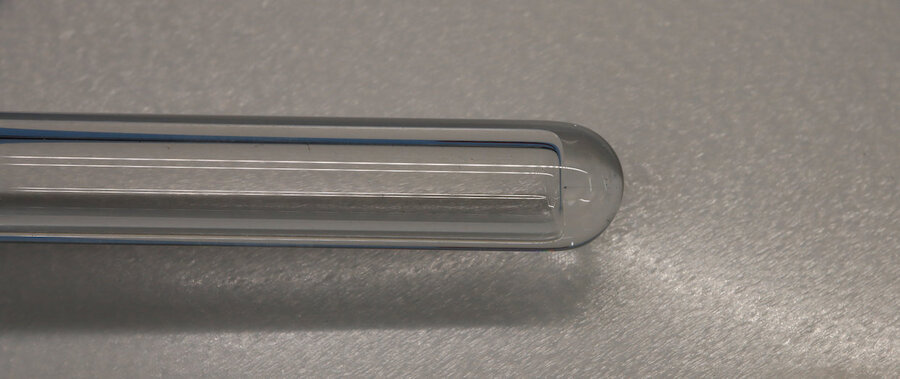
Making glass-to-metal seals for homemade vacuum tubes: A practical guide
A technical blog post detailing the process of making glass-to-metal seals for homemade vacuum tubes. The author explains that while glass t
 maurycyz.com·20d ago
マツダ、耐久レースで排気CO2回収技術を実証 2035年実用化へ
マツダは富士スピードウェイで開催された24時間耐久レース「スーパー耐久シリーズ2026」に、走行中の排気からCO2を回収する技術を搭載した車両で出場した。マツダ3をベースにした車両に排気を冷却しゼオライト吸着材でCO2を集める装置を搭載。CO2濃度センサーで自動的にタンクに貯蔵し
nikkei.com·25d ago

KINTO調査:地方Z世代のクルマ離れ意識が4年で倍増の47%、車両価格と維持費の高さが背景
KINTO(トヨタ自動車グループ)の調査により、18〜25歳のZ世代でクルマ離れの意識が急速に進んでいることが明らかになった。特に地方在住のZ世代では「クルマ離れ」意識が4年で倍増し47%に達した。背景には車両価格や維持費の高さがあり、サブスクリプション型の車利用サービスへの関心
nikkei.com·5d ago
Honda Joins Space Race by Launching Successful Reusable Rocket
forbes.com·1y ago
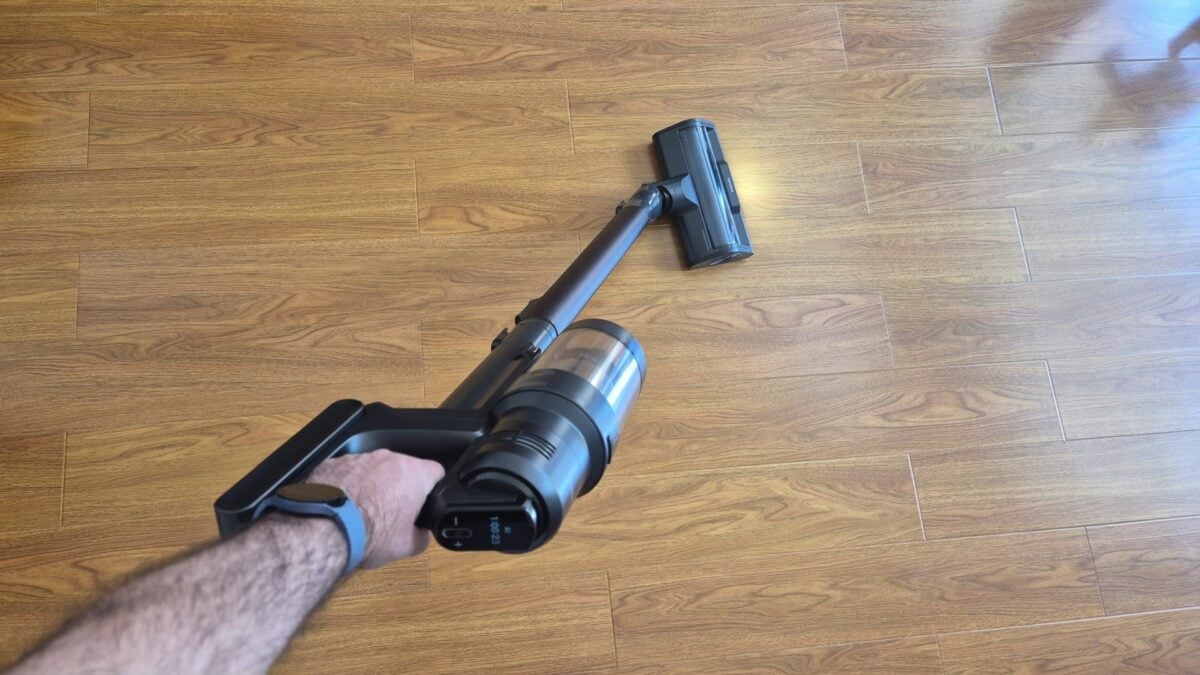
Samsung Bespoke vacuum dust bags: Officially disposable, but can you reuse them?
The article investigates whether Samsung's Bespoke AI Jet Ultra vacuum dust bags, which are officially marketed as disposable, can actually
sammobile.com·4d ago

REO — Built Like It Used To Be
 reotrucks.com·14d ago
Comments
Sign in to join the conversation.
No comments yet. Be the first.