
























Study: Climate change projected to increase mycotoxin contamination in European wheat
By
Bailee Henderson
Summary
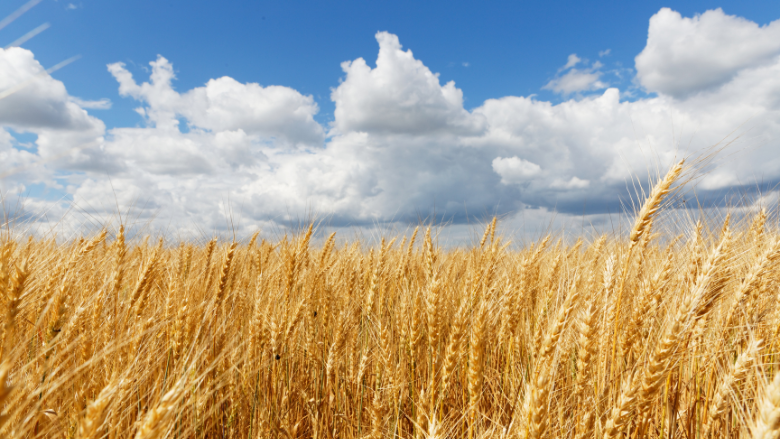
Wageningen University researchers used a hybrid machine learning modeling framework to predict that climate change will increase mycotoxin contamination in European wheat crops. The study, published in Nature Science of Food, found that deoxynivalenol (DON) poses the greatest risk, with coastal countries, the UK, and northern France expected to be most affected. The model considers crop growth stages, multiple future climate scenarios, and a large geographic region to assess how shifting weather patterns exacerbate food safety threats from mycotoxins.
Source
 bskyStudy: Climate change projected to increase mycotoxin contamination in European wheatfood-safety.com
Key quotes
· 3 pulledClimate change is a known contributor to emerging food safety and security threats, with shifting weather conditions exacerbating microbiological contaminants and other hazards.
Using a hybrid machine learning modeling framework, Wageningen University researchers have demonstrated the increasing risk of mycotoxin contamination in wheat crops driven by the effects of climate change.
The model predicted deoxynivalenol will present the greatest risk, with coastal countries, the UK, and northern France most affected.
You might also wanna read


How Climate Change Is Spreading Dangerous Microbes and Pathogens
This article examines how climate change is accelerating the spread of dangerous pathogens, including "flesh-eating" bacteria and emerging i
 newyorker.com·1mo ago
Leptospirosis in Europe: climate change will raise the risk

Pandemic risks are rising due to climate change, land use, and AI-driven bioweapon threats
This article discusses the increasing risks of pandemics driven by land use change, climate change, intensive animal agriculture, and rapidl
 interceptfund.com·10d ago
Climate Extremes Cause Global Food Price Shocks, Study Reveals
Research involving the Barcelona Supercomputing Center-Centro Nacional de Supercomputación (BSC-CNS) shows that climate extremes are causing
bsc.es·11mo ago
Study Links Warmer Temperatures to Increased Sugar Consumption in Americans
A study published in Nature Climate Change reveals that warmer temperatures drive increased sugar consumption among Americans, particularly
 The Onion·9mo ago
FAO Food Outlook: Global food commodity markets stable but facing rising geopolitical and weather risks
The FAO's Food Outlook report indicates that global food commodity markets remain relatively stable, with 2026/27 cereal production forecast
 fao.org·15d ago
Comments
Sign in to join the conversation.
No comments yet. Be the first.