





















Climate Extremes Cause Global Food Price Shocks, Study Reveals
By
littlexsparkee

Crackling crust, pillowy middle. The kind of bagel that earns a second cup of coffee.
Summary
Research involving the Barcelona Supercomputing Center-Centro Nacional de Supercomputación (BSC-CNS) shows that climate extremes are causing food price shocks worldwide. The study led by Maximilian Kotz highlights the impact of extreme weather on crops and food prices in various countries like Britain, California, South Africa, and India.
Key quotes
· 2 pulled"Until we get to net-zero emissions, extreme weather will only get worse, and it's already damaging crops and pushing up the price of food all over the world," said Maximilian Kotz, BSC researcher and lead author of the study.
"British potatoes, Californian vegetables, South African maize and Indian onions are among many foods affected by recent price shocks driven by weather extremes," according to a team of international scientists.
You might also wanna read

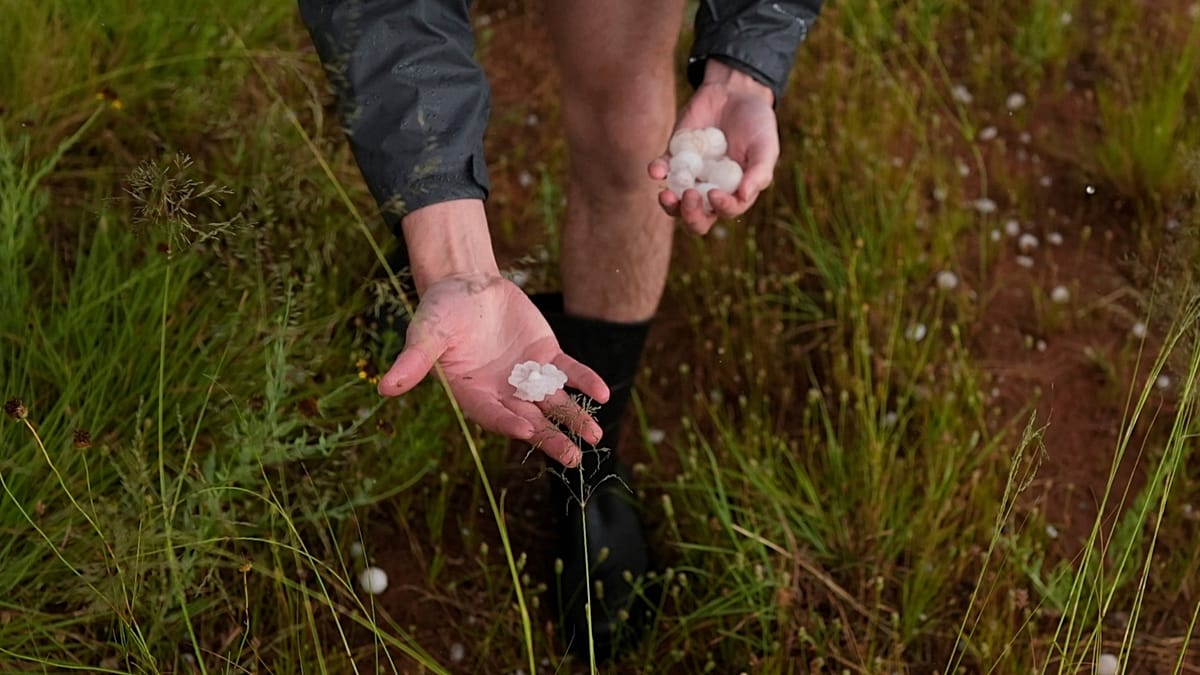
Study: Climate change could increase large hailstones by nearly 50% by 2100
A new study published in Nature warns that climate change will significantly increase the frequency of large hailstones (bigger than a marbl
 euronews.com·3h ago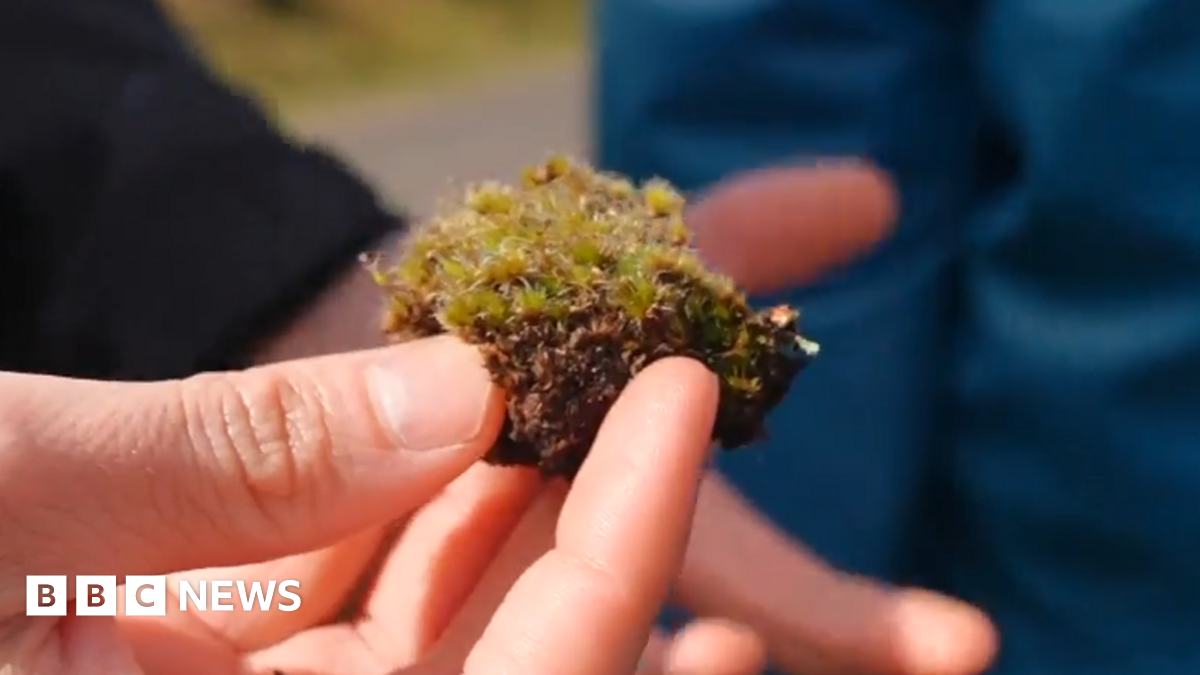
Newly discovered fungus could help control invasive moss threatening UK habitats
A newly discovered killer fungus species shows promise for controlling the invasive heath-star moss that threatens UK native habitats like t
 bbc.co.uk·1d ago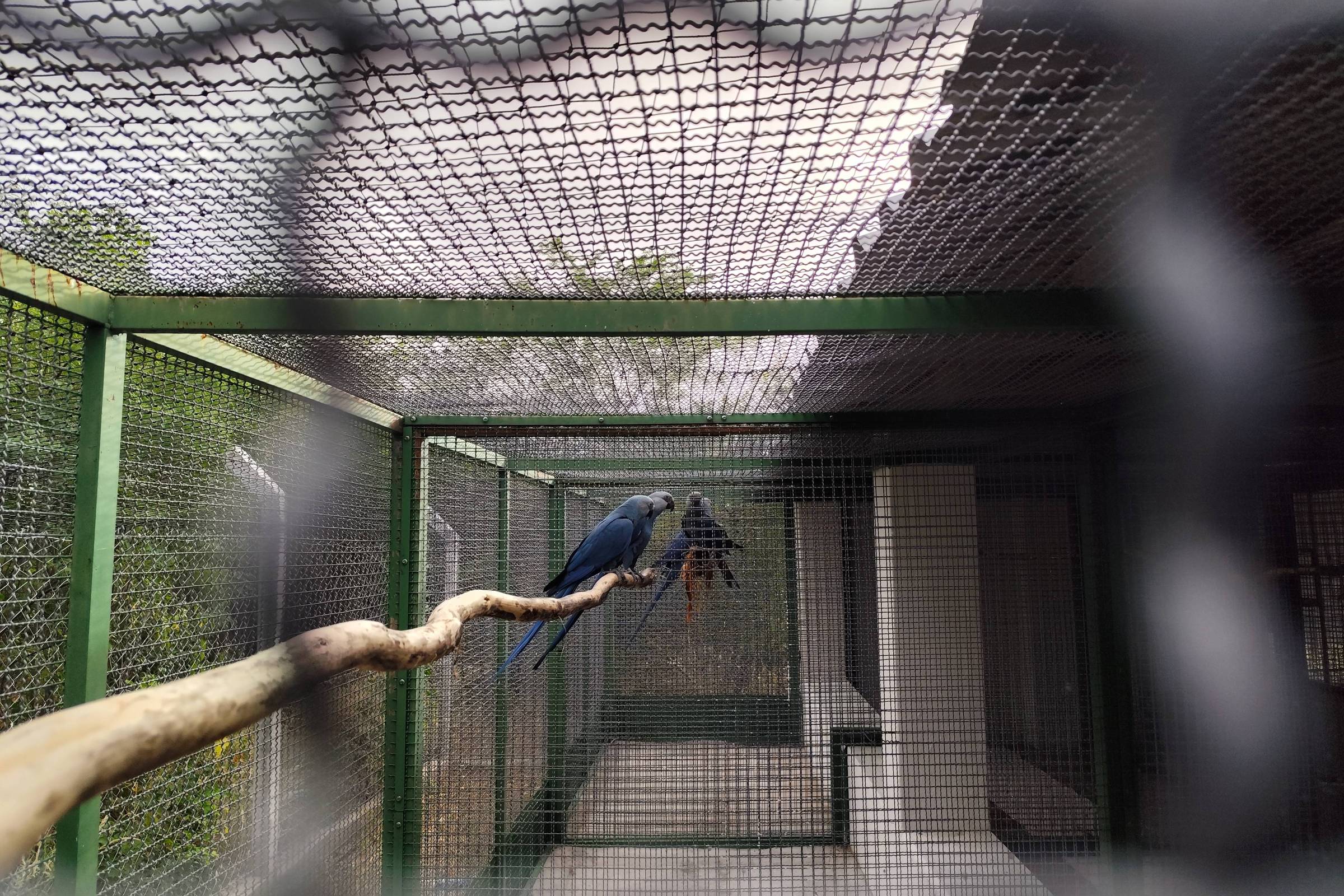
Opinião: A saga da ararinha-azul, joia da caatinga, ganha novo capítulo dramático
This opinion piece discusses the little-known caatinga biome (the only 100% Brazilian biome) and its beauty, while introducing the story of
 mla.bs·1d ago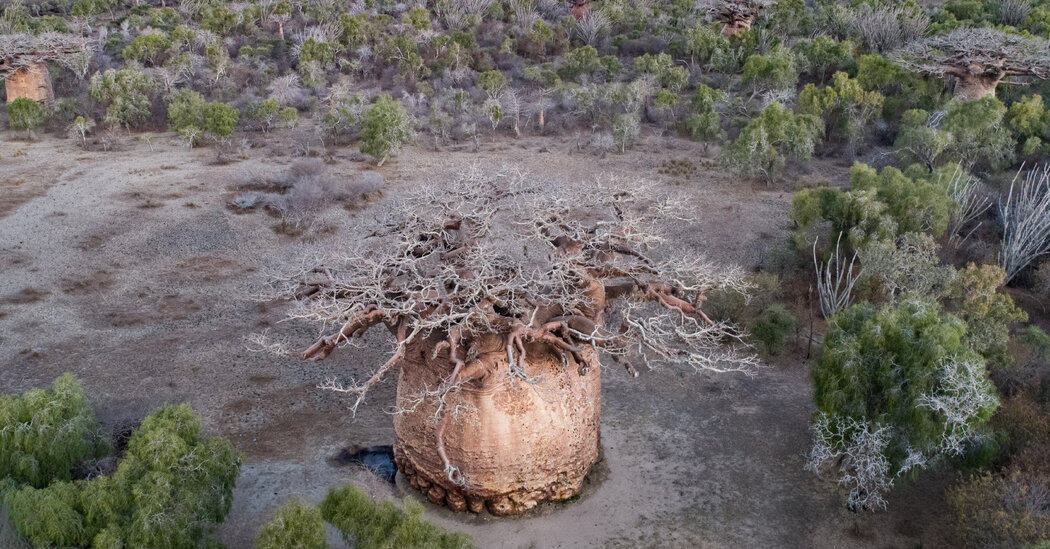
Sacred 1,500-Year-Old Baobab Tree in Madagascar Shows Signs of Decay
A centuries-old sacred baobab tree called Tsitakakantsa in Madagascar's Andombiry Forest is slowly dying, showing signs of decay including a
 nytimes.com·1d ago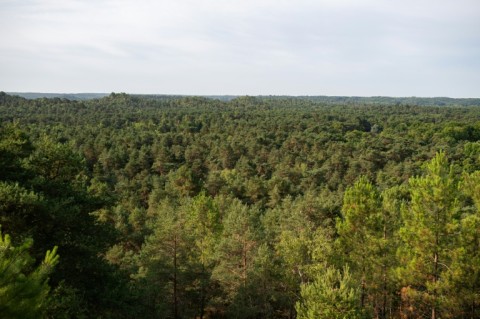
Europe's forests struggle to survive as climate-driven heatwaves intensify
The article reports on how Europe's forests are suffering from climate-driven heatwaves and drought, using the example of a dying oak tree i
 enca.com·2d ago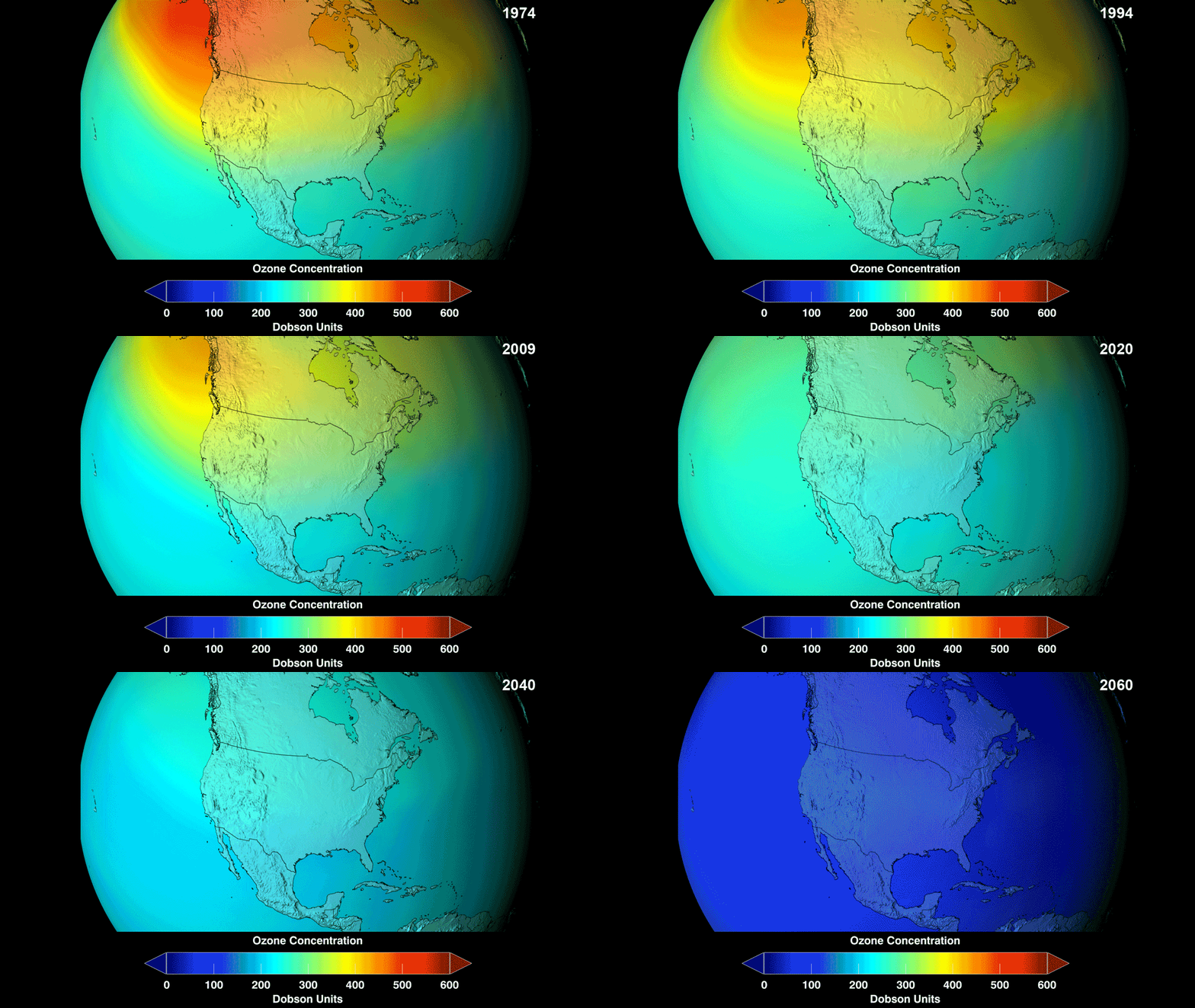
Study: Rising Use of Ozone-Depleting Feedstock Chemicals Could Delay Ozone Layer Recovery by 7 Years
A new study reveals that unaccounted-for emissions of ozone-depleting substances used as chemical feedstocks have increased since the 1987 M
 eos.org·2d ago