
























Single-nucleus RNA atlas reveals transcriptional remodeling of the human heart across the lifespan
By
Jiangping Song
Summary
This study presents a comprehensive single-nucleus RNA sequencing atlas of 442,239 nuclei from 54 nonfailing myocardial tissue samples of 29 individuals, spanning human heart development, adulthood, and aging. The research reveals coordinated yet cell type-specific transcriptional trajectories that converge on progressive loss of gene expression homeostasis and stress responses across all major cardiac cell types throughout the human lifespan.
Source

 Twitter / XSingle-nucleus RNA atlas reveals transcriptional remodeling of the human heart across the lifespanscim.ag
Key quotes
· 3 pulledThe human heart undergoes continuous transcriptional remodeling from development through aging, yet the cellular and regulatory features governing this process remain incompletely defined.
We generated a single-nucleus RNA sequencing atlas of 442,239 nuclei from 54 nonfailing myocardial tissues of 29 individuals spanning development, adulthood, and aging.
Across all major cell types, we uncovered coordinated yet cell type–specific transcriptional trajectories that converge on progressive loss of gene expression homeostasis, stress responses...
You might also wanna read


Integrated single-cell and spatial transcriptomic profiling in ALS uncovers peripheral-to-central immune infiltration and reprogramming

Multi-model transcriptomic atlas reveals shared inflammatory programs and epithelial-immune crosstalk in chronic colitis
This study by Fransson, Sorini, et al. presents a multi-model, longitudinal transcriptomic atlas of experimental chronic colitis, integratin
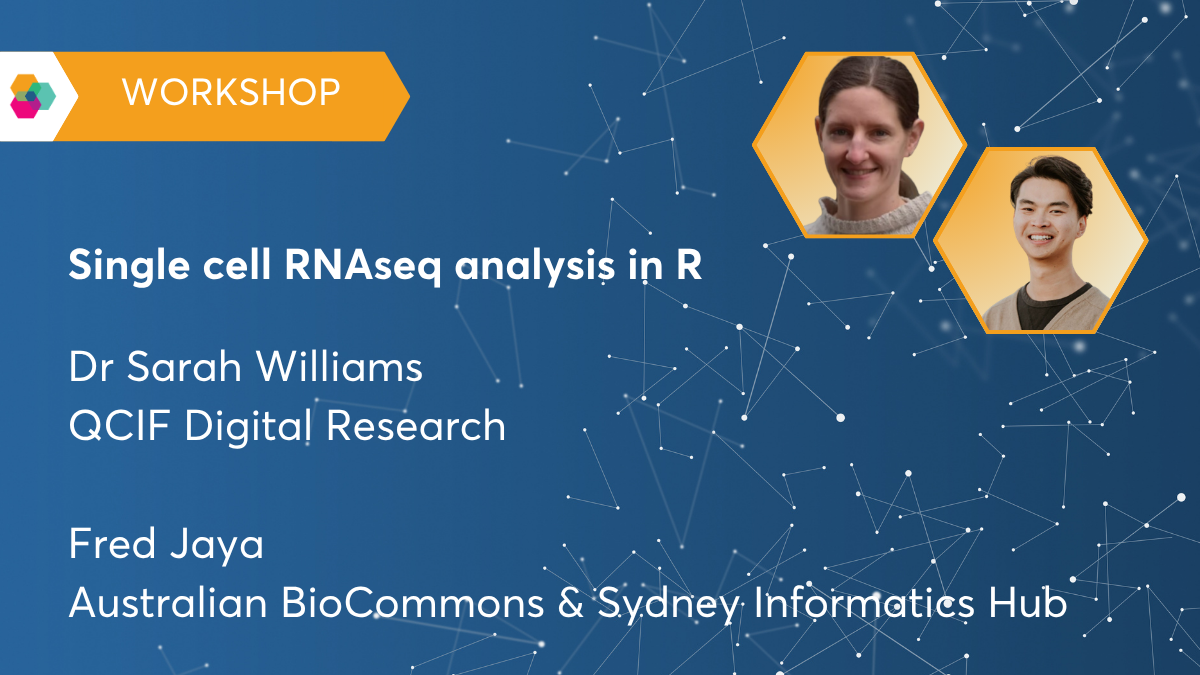
Hands-On Workshop: Single Cell RNAseq Analysis in R Using Seurat, Harmony, and Single R
This article announces a hands-on workshop on single cell RNAseq (scRNAseq) analysis using R packages including Seurat, Harmony, and Single
 biocommons.org.au·10d ago
Single-nucleus epigenomic dysregulation unmasks genetic risk-associated neurodegenerative glia states

TranscriptFormer: Generative AI model maps cellular evolution across 1.5 billion years
Researchers developed TranscriptFormer, a generative AI model that creates a cell atlas spanning 1.5 billion years of evolution by analyzing
 doi.org·14d ago
Comments
Sign in to join the conversation.
No comments yet. Be the first.