
























Study quantifies economic value of darkness at US dark-sky parks, warns light pollution erodes millions
By
Sharmila Kuthunur
Summary
A new study has quantified the economic value of darkness at US dark-sky parks, finding that light pollution — including from satellite megaconstellations — may be erasing millions of dollars in value. The research estimates that visitors are willing to pay a premium for truly dark skies, and that encroaching artificial light threatens both the visitor experience and the economic model of these protected areas. The study highlights the growing conflict between dark-sky conservation and the proliferation of satellites like Starlink, which leave bright trails across night-sky imagery.
Source
 Twitter / XStudy quantifies economic value of darkness at US dark-sky parks, warns light pollution erodes millionsspace.com
Key quotes
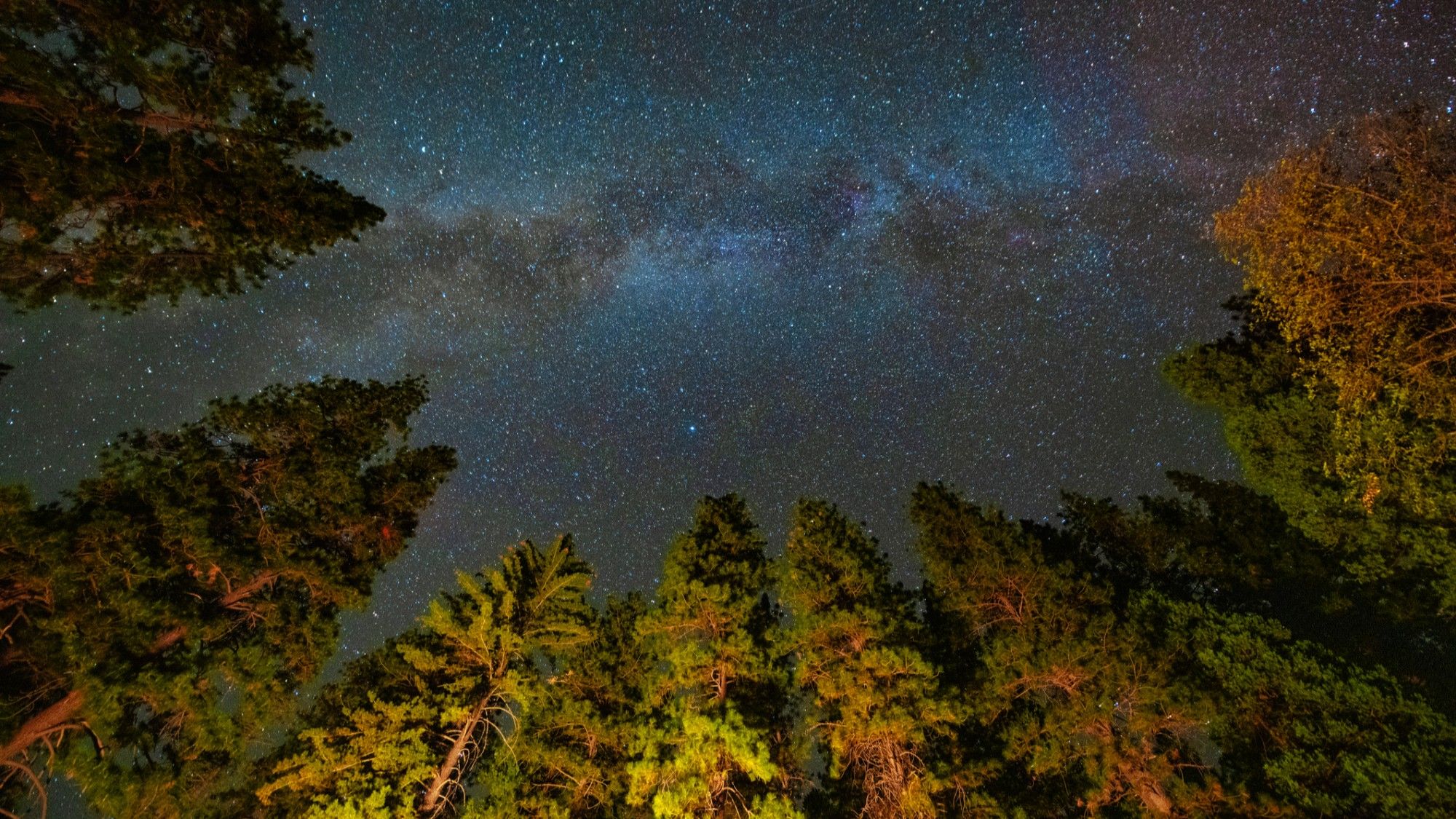
· 3 pulledEvery year, millions of people travel to remote, protected 'dark-sky parks' in search of experiences that depend on true darkness — photographing the Milky Way's heart arcing overhead, observing nocturnal wildlife in its natural rhythm, or simply standing beneath an ink-black sea of stars unblurred by artificial light.
Scientists have long warned that rising levels of artificial light — increasingly amplified by satellite megaconstellations — threaten these fragile environments.
The study puts a price on darkness, estimating that visitors are willing to pay a significant premium for unobstructed, natural night skies.
You might also wanna read

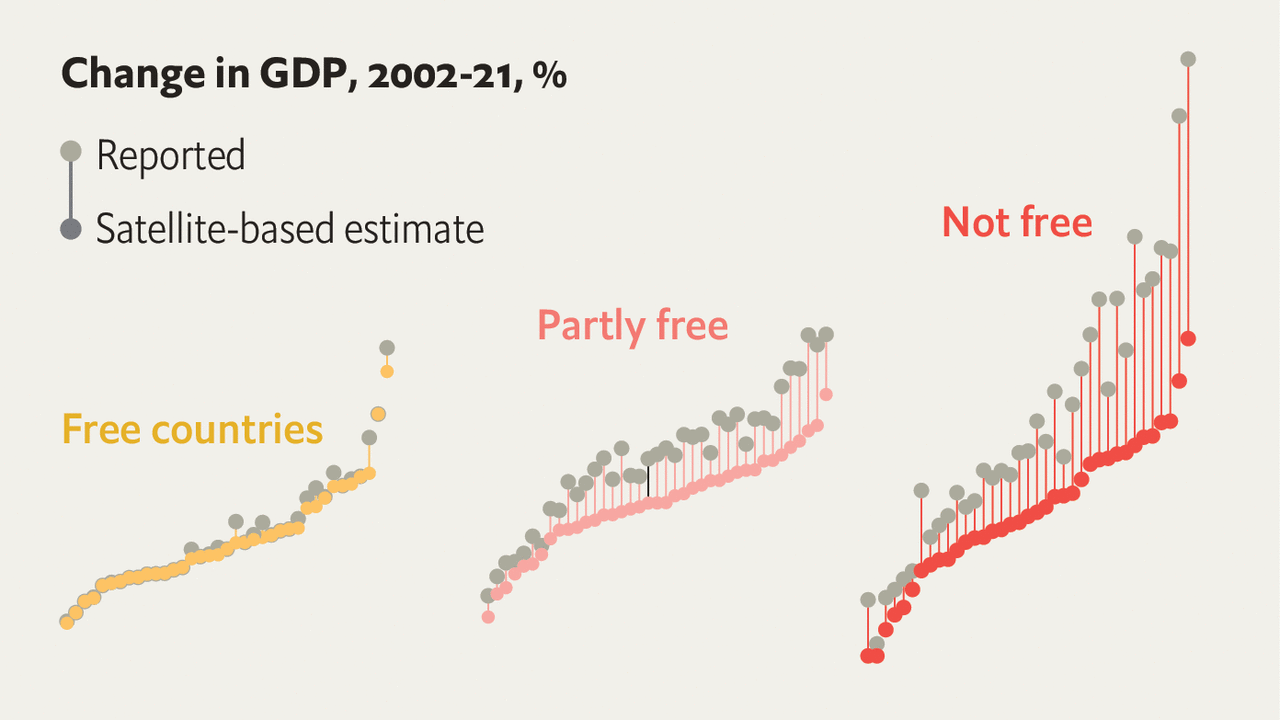
Satellite Data Reveals Discrepancies in Dictators' Economic Growth Reports
The article discusses how satellite data revealing nighttime lights can expose discrepancies in economic growth reports by dictatorships, su
 economist.com·11mo ago
DarkSky International opposes Reflect Orbital's space mirror proposal over light pollution concerns
DarkSky International has formally opposed Reflect Orbital's proposal to deploy an orbital illumination system using in-space mirrors to ref
 darksky.org·1mo ago
An astrophotographer's surprise: Fewer satellites visible than expected under dark skies
An astrophotographer recounts a surprising experience at Saguaro National Park during a new moon, expecting the night sky to be ruined by th
darksky.org·22d ago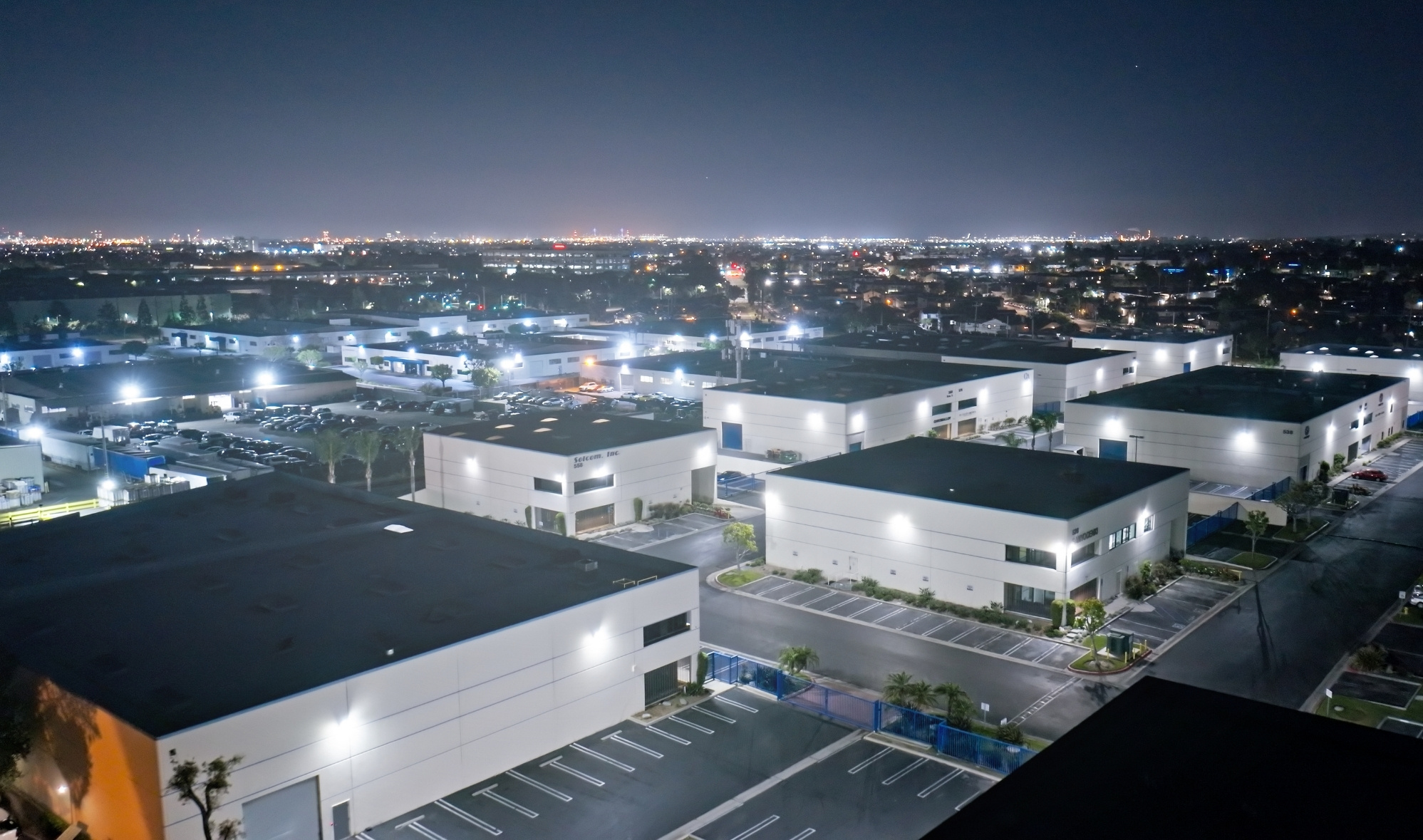
DarkSky calls for responsible lighting practices to curb data center light pollution
DarkSky International releases a statement addressing the overlooked issue of light pollution from rapidly expanding data centers. As AI and
darksky.org·22d ago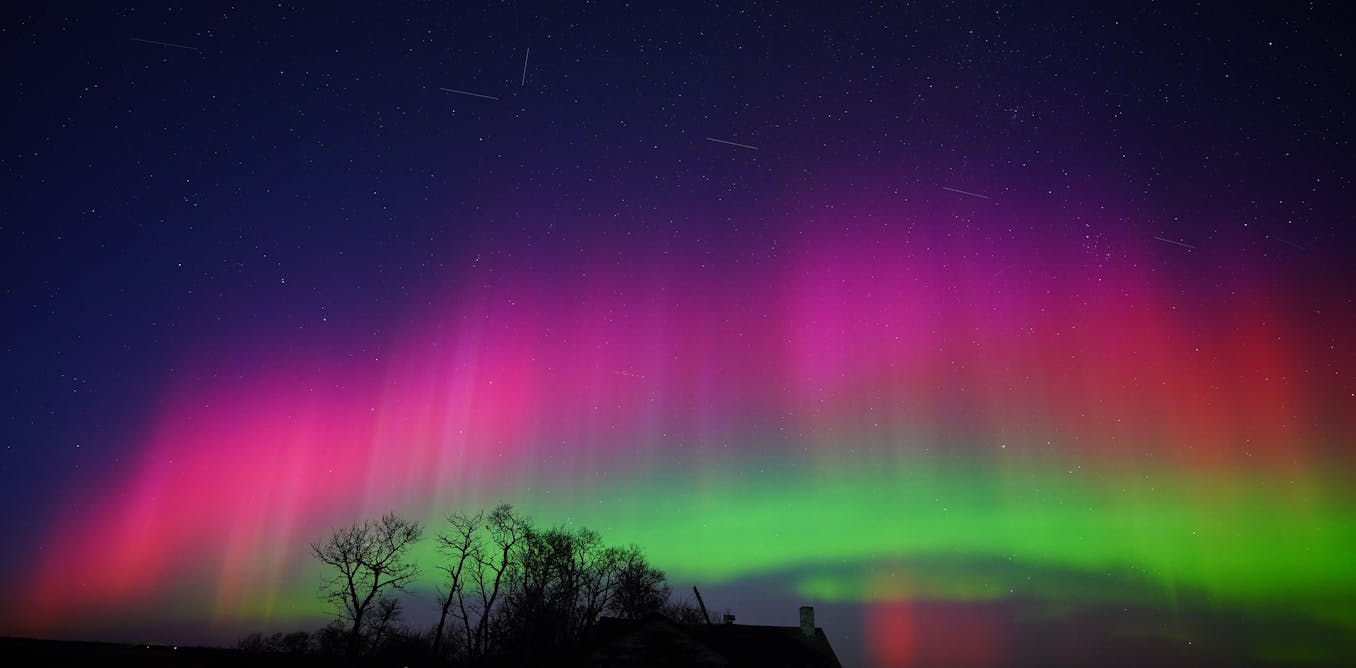
SpaceX's plan for one million new Starlink satellites threatens night sky visibility and astronomy
SpaceX plans to launch one million new Starlink satellites as orbital data centers for AI computing, adding to the 10,000+ already in orbit.
 theconversation.com·21d ago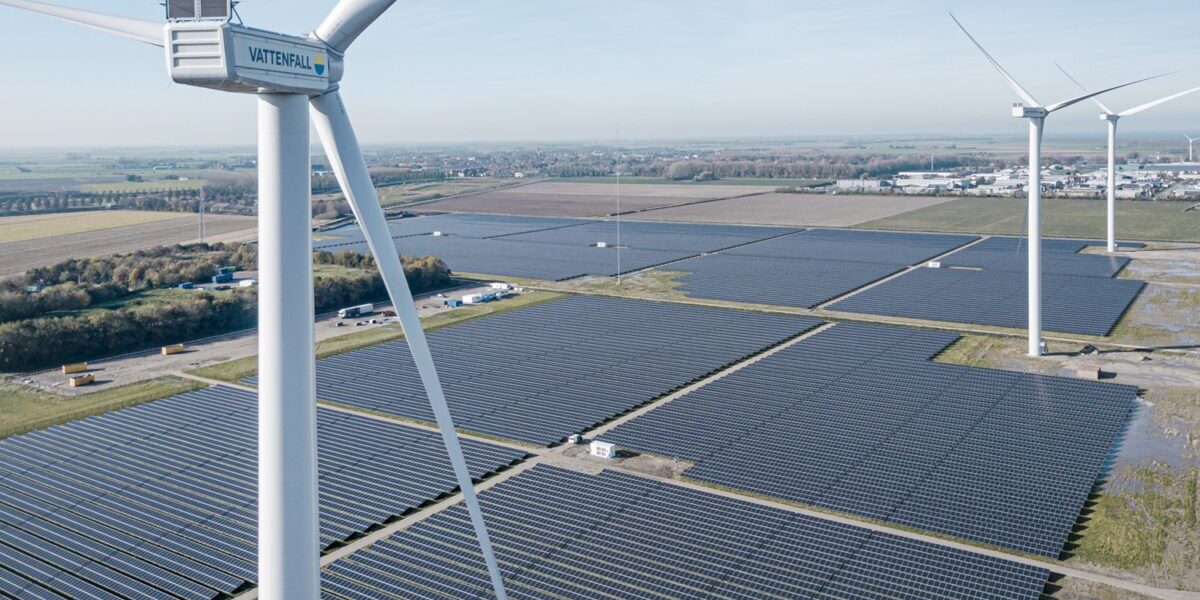
Study: Restricting U.S. wind and solar permitting could cost $121 billion in unnecessary energy costs
A new study from NERA Economic Consulting warns that regulatory or permitting restrictions on new utility-scale solar and wind projects in t
 pv-magazine-usa.com·11d ago
Study: Restricting U.S. wind and solar permitting could cost $121 billion in unnecessary energy costs
A new study from NERA Economic Consulting warns that regulatory or permitting restrictions on new utility-scale solar and wind projects in t
pv-magazine-usa.com·11d ago
Comments
Sign in to join the conversation.
No comments yet. Be the first.