
























Precision gene editing technologies: From proof-of-concept to clinical therapies
By
Tongtong Cui1,2,# Send email to [email protected]
Summary
This review article examines the evolution of gene therapy from gene addition to precise genome editing, focusing on breakthrough technologies like CRISPR-Cas nucleases, base editors, prime editors, and CRISPR-associated transposases. It covers clinical applications from ex vivo therapies to in vivo treatments targeting vital organs, highlights personalized medicine approaches such as carbamoyl phosphate synthetase 1 editing for rare diseases (N-of-1 medicine), and discusses clinical trial progress, delivery challenges, accessibility issues, and the role of AI in optimizing editing tools and predicting outcomes.
Source
 bskyPrecision gene editing technologies: From proof-of-concept to clinical therapiescell.com
Key quotes
· 4 pulledGene therapy is evolving from gene addition to precise genome editing, enabling the direct correction of disease-causing mutations.
Breakthrough technologies, such as CRISPR–Cas nucleases, base editors, prime editors, and CRISPR-associated transposases are reshaping the therapeutic landscape.
The rise of personalized medicine, highlighted by therapies, such as carbamoyl phosphate synthetase 1 editing, underscores the shift toward N-of-1 medicine for rare diseases.
These innovations are transforming genetic medicine, offering the promise of safer, more durable, and personalized cures.
You might also wanna read


First In-Vivo Gene-Editing Therapy Successfully Saves Newborn's Life in 2025
In 2025, doctors and scientists in the U.S. successfully performed the world's first custom gene-editing therapy inside a living person—a ne
 popularmechanics.com·6mo ago
Small-molecule switches put therapeutic CRISPR editing under on-demand control in living tissues

Daily briefing: Editing the epigenome with CRISPR to treat disease
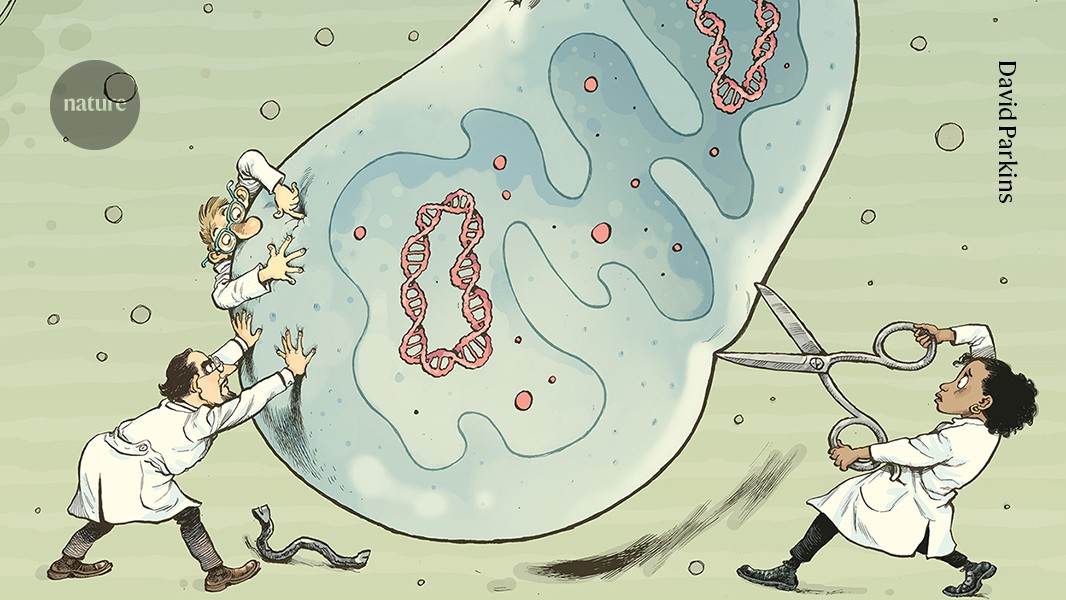
CRISPR's Limitations in Mitochondrial DNA Editing and Emerging Alternatives
The article discusses the limitations of CRISPR gene editing technology in accessing mitochondrial DNA (mtDNA) and the resulting challenges
 nature.com·8mo ago
Crispr-Edited Pancreatic Cells Successfully Transplanted in Type 1 Diabetes Patient for the First Time
For the first time, researchers have successfully implanted Crispr-edited pancreatic cells into a patient with type 1 diabetes. The gene-edi
 wired.com·9mo ago
Comments
Sign in to join the conversation.
No comments yet. Be the first.