
























NIH Neuman Lab Recruiting Postbaccalaureate Fellow for Bacterial Enzyme Research
Summary
The Neuman Lab at the NIH National Heart, Lung, and Blood Institute is recruiting a full-time Postbaccalaureate Fellow to study bacterial type II topoisomerases (DNA gyrase and topoisomerase IV) — essential enzymes that locate, cleave, and resolve DNA entanglements. These enzymes are major targets for antibacterial drugs, and the research aims to uncover mechanisms to guide future antibiotic development.
Source

 bskyNIH Neuman Lab Recruiting Postbaccalaureate Fellow for Bacterial Enzyme Researchtraining.nih.gov
Key quotes
· 3 pulledThe Neuman Lab at the NIH National Heart, Lung, and Blood Institute is now recruiting a full time Postbaccalaureate Fellow to join our team.
Our group studies how essential bacterial enzymes, specially type II topoisomerases (DNA gyrase and topoisomerase IV), locate, cleave, and resolve DNA entanglements throughout the genome.
These enzymes are major targets of antibacterial drugs, and our goal is to uncover mechanisms that could guide future antibiotic development.
You might also wanna read

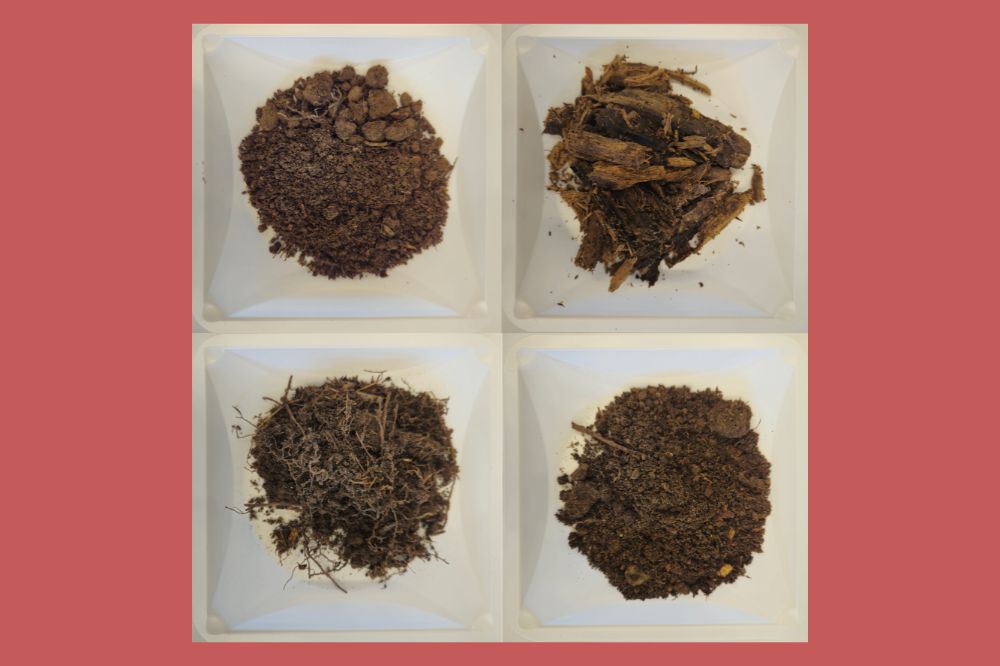
Rockefeller University researchers discover hundreds of new bacteria and two potential antibiotics in soil using DNA sequencing
Researchers at Rockefeller University have developed a method to access the genetic material of soil bacteria that cannot be cultured in a l
 rockefeller.edu·9mo ago
University of Copenhagen Seeks Two Tenure-Track Faculty in De Novo Protein Design
The Novo Nordisk Foundation Center for Protein Design at the University of Copenhagen is hiring two tenure-track group leaders (Assistant or
 employment.ku.dk·1d ago
NIH Halts Tuberculosis Research Over Unfounded 'Dangerous' Gain-of-Function Concerns
A UC Berkeley professor and NIH grant recipient describes how the NIH abruptly ordered them to stop their tuberculosis research, deeming it
 statnews.com·8mo ago
Study Finds Household Cohabitation, Not Genetics, Drives Transmission of Diabetes- and Cancer-Linked Microbes
Researchers mapped the environmental and physical dynamics of human microbiome transmission, proving that household cohabitation is the prim
 ow.ly·5d ago
Qt45: A small polymerase ribozyme that can synthesize itself
Scientists Engineer Proteins to Act as Qubits for Cellular Disease Monitoring
Scientists are exploring the intersection of quantum computing and biology by genetically engineering proteins to function like qubits. This
 popularmechanics.com·9mo ago
Comments
Sign in to join the conversation.
No comments yet. Be the first.