
























Pewter Pots: Safe for Cooking?
Source
cycookery.comPewter Pots: Safe for Cooking?cycookery.comPewter is a metal alloy made from tin, copper, and antimony. It has been used for centuries for cooking and serving food and drinks. While it is generally safe for food and drink items, there are some considerations to keep in mind. Old pewter may contain lead, which is unsafe for use with food and drink. Modern pewter is typically made without lead and is considered safe, but it should not be used with acidic or highly alkaline foods as they can cause the metal to corrode and leach harmful chemicals. Additionally, pewter has a low melting point and should not be placed in the oven or on a hot stove top as it may melt. Characteristics Values Safety Pewter is generally safe to use for food and drink items as it is relatively inert and does not react with food or drink. Modern pewter is typically made without lead, which was previously a common component but is now considered unsafe. However, pewter should not be used to store acidic or highly alkaline foods as they can cause the metal to corrode and leach harmful chemicals. Melting Point Pewter has a low melting point and can melt over most cooking fires and electric ranges. Maintenance Pewter rarely tarnishes, but if it does, it can be cleaned with any metal polish that is safe for pewter. Pewter should not be placed in the oven or on a hot stove top as it will melt. Water drops left on the pewter surface may cause spots, and hard water can pit the surface. What You'll Learn Pewter is safe to use for food and drink items because it is relatively inert Modern pewter is typically made without lead, which is unsafe for use with food and drink Old pewter is made from tin and lead, so avoid using it for cooking Pewter has a low melting point, so it will melt over most cooking fires Pewter should not be used to store acidic or highly alkaline foods, as they can cause the metal to corrode Pewter is safe to use for food and drink items because it is relatively inert Pewter is a metal alloy made from tin, copper, and antimony, and it has been used for centuries for cooking and serving food and drinks. It is generally safe to use for food and drink items because it is a relatively inert metal. This means that it is non-reactive with food or drink and will not leach harmful chemicals or toxins into the food or drink it comes into contact with. However, it is important to note that pewter should not be used to store acidic or highly alkaline foods as these can cause the metal to corrode and leach harmful substances. Pewter has a low melting point and can melt over most cooking fires and electric ranges, so it is not suitable for use on a stove or in an oven. Modern pewter is typically made without lead, which was a common component in the past but is now considered unsafe for use with food and drink. Old pewter items may still contain lead, so it is important to ask about the presence of lead when purchasing pewter items. To ensure the safety of pewter items for food and drink, proper care and use guidelines should be followed. Pewter should be hand-washed in warm water using liquid dish soap and dried completely to prevent spotting. It is important to avoid submerging pewter stemware in hot water as it can cause the pewter to expand and contract, weakening its bond with glass or crystal. Pewter flatware and tableware are generally dishwasher-safe, but it is recommended to use a low-heat setting and liquid dishwashing detergent. In summary, pewter is safe to use for food and drink items because of its relative inertness and non-reactivity with food or drink. However, proper care and avoidance of certain food types, such as acidic or highly alkaline foods, are crucial to preventing corrosion and ensuring the safety of pewter items for food and drink preparation and serving. Planning a Perfect Office Lunch: Easy Steps to Follow You may want to see also Modern pewter is typically made without lead, which is unsafe for use with food and drink Pewter is a metal alloy made from tin, copper, and antimony. It has been used for centuries for cooking and serving food and drinks. One of the reasons why pewter is safe to use for food and drink items is that it is a relatively inert metal. This means that it is non-reactive with food or drink, and it will not leach harmful chemicals or toxins into the food or drink it comes into contact with. Modern pewter is typically made without lead, which was a common component in the past but is now considered unsafe for use in food and drink items. Lead is unsafe for use with food and drink because there is no safe level for lead exposure. Even occasional use of lead-containing items, such as an antique salt shaker, can be unsafe as the salt has prolonged contact with the lead and can absorb it. However, it is important to note that not all pewter is created equal, and warnings are still given to watch out for pewter items that may contain lead. If you are considering purchasing pewter, it is important to ask if it contains lead. Proper care and use guidelines should also be followed to ensure the safety of pewter objects. For example, pewter should not be used to store acidic or highly alkaline foods, as these can cause the metal to corrode and leach harmful chemicals. Additionally, pewter should not be placed in the oven or on a hot stove top as it has a low melting point and will melt. Storing Pans in the Fridge: Is it Safe? You may want to see also Old pewter is made from tin and lead, so avoid using it for cooking Pewter is a metal alloy made from tin, copper, and antimony. It has been used for centuries for cooking and serving food and drinks. However, old pewter is made from tin and lead, which is unsafe for cooking. Since there is no safe level of lead exposure, it is best to avoid using old pewter for cooking. Pewter is relatively inert, meaning it is non-reactive with food or drink and does not leach harmful chemicals or toxins into food or drink. This makes pewter safe for food and drink items. However, pewter should not be used to store acidic or highly alkaline foods as these can cause the metal to corrode and leach harmful chemicals. Modern pewter is typically made without lead and is safe to use for food and drink items. It is made from 95% tin, as well as copper and antimony. Some manufacturers of modern pewter guarantee that their products are lead-free and safe to be used for all kinds of food and drink. Despite being safe for food and drink, pewter has a low melting point and can melt over most cooking fires or electric ranges. Therefore, it is important to avoid placing pewter in the oven or on a hot stove top, as it will ruin the piece. Pewter is also not suitable for storing highly acidic foods for extended periods, as they can discolor the metal. In summary, while pewter is generally safe for food and drink items, old pewter made from tin and lead should be avoided for cooking due to the health risks associated with lead exposure. Modern pewter, which is lead-free, is a safer alternative for cooking and can be safely used according to proper care and use guidelines. Cleaning Maple Syrup Evaporator Pan: Tips and Tricks You may want to see also Pewter has a low melting point, so it will melt over most cooking fires Pewter is a metal alloy made from tin, copper, and antimony. It has been used for centuries for cooking and serving food and drinks. It is relatively inert, meaning it is non-reactive with food or drink and will not leach harmful chemicals or toxins into food or drink. However, pewter has a very low melting point, which is why it is not suitable for use as cookware over a fire or on a stove top. It will melt over most cooking fires and even on most electric ranges. Pewter is also not suitable for storing acidic or highly alkaline foods, as these can cause the metal to corrode and leach harmful chemicals. Old pewter items may contain lead, which is unsafe for use with food and drink items. Modern pewter is typically made without lead and is considered safe for food and drink use. It is important to check whether pewter items contain lead before using them for food or drink. Pewter is generally safe to use for food and drink items if proper care and use guidelines are followed. It is easy to clean and maintain, rarely tarnishes, and is lightweight. Aluminum Pans: Healthy Cooking or Health Hazard? You may want to see also Pewter should not be used to store acidic or highly alkaline foods, as they can cause the metal to corrode Pewter is a metal alloy made from tin, copper, and antimony. It has been used for centuries for cooking and serving food and drinks. It is relatively inert, which means it is non-reactive and will not leach harmful chemicals or toxins into food or drink. Modern pewter is typically made without lead, which was a common component in the past but is now considered unsafe for use with food and drink. However, pewter should not be used to store acidic or highly alkaline foods. These types of substances can cause the metal to corrode and leach harmful chemicals. For example, highly acidic foods like vinaigrettes can discolour pewter if left in a pewter bowl overnight. The discolouration can be removed with "0000" steel wool or a good metal polish using light, circular motions. Pewter also has a low melting point, so it is not suitable for use over direct heat sources such as cooking fires or electric ranges. It should not be placed in the oven or on a hot stove top, as the heat will ruin the piece. Overall, while pewter may not be a common material for modern kitchenware, it can be a safe and attractive choice for food and drink items if proper care and use guidelines are followed. Window Pane Molding: Creative Ways to Use It You may want to see also Frequently asked questions Can you cook in a pewter pot? Pewter has a low melting point, so it is not suitable for cooking over a fire or stove. However, modern pewter is typically made without lead and is safe for food and drink. What is pewter made of? Pewter is a metal alloy made from tin, copper, and antimony. Is pewter safe for cooking? Modern pewter is generally safe for cooking as it is relatively inert and does not react with food or drinks. It also does not leach harmful chemicals or toxins. Can I use my pewter pot on a stovetop? No, pewter should not be placed on a stovetop or in an oven as it has a low melting point and will be ruined. How do I care for my pewter pot? Hand wash your pewter pot with warm water and liquid dish soap, then dry it completely. Do not submerge it in hot water.
You might also wanna read

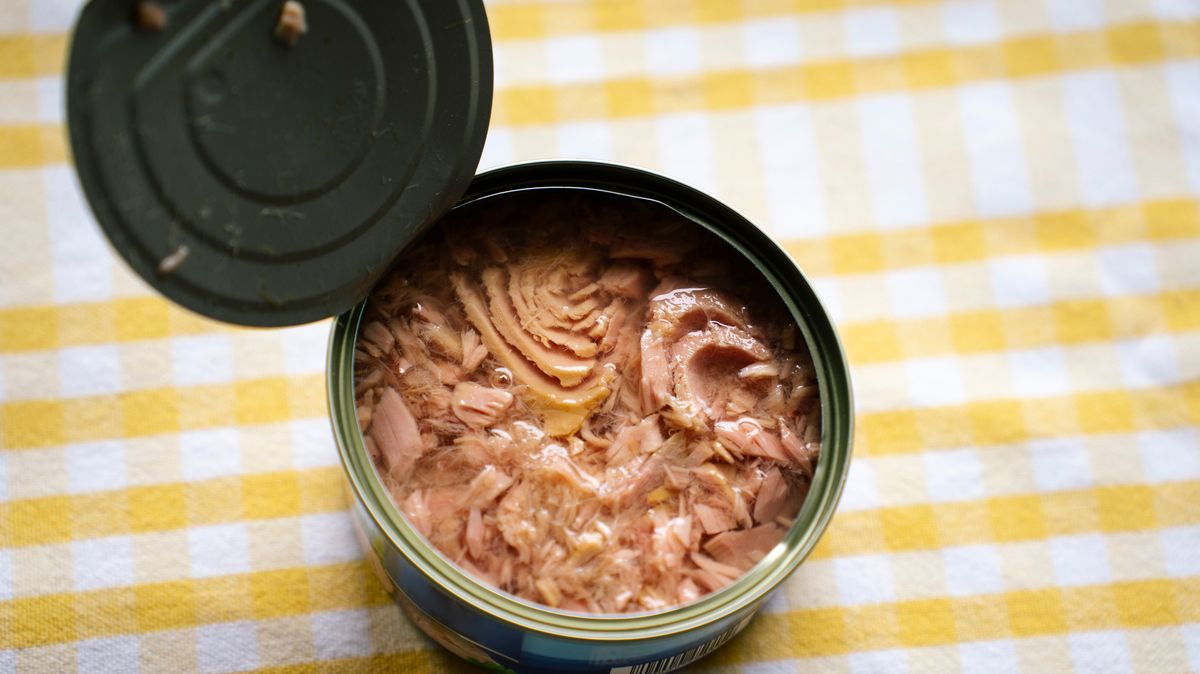
UK households warned not to pour tinned tuna liquid down sinks due to fatberg risk
A warning has been issued to UK households about draining the liquid from tinned tuna down the sink. The seemingly harmless act can contribu
 mirror.co.uk·8d ago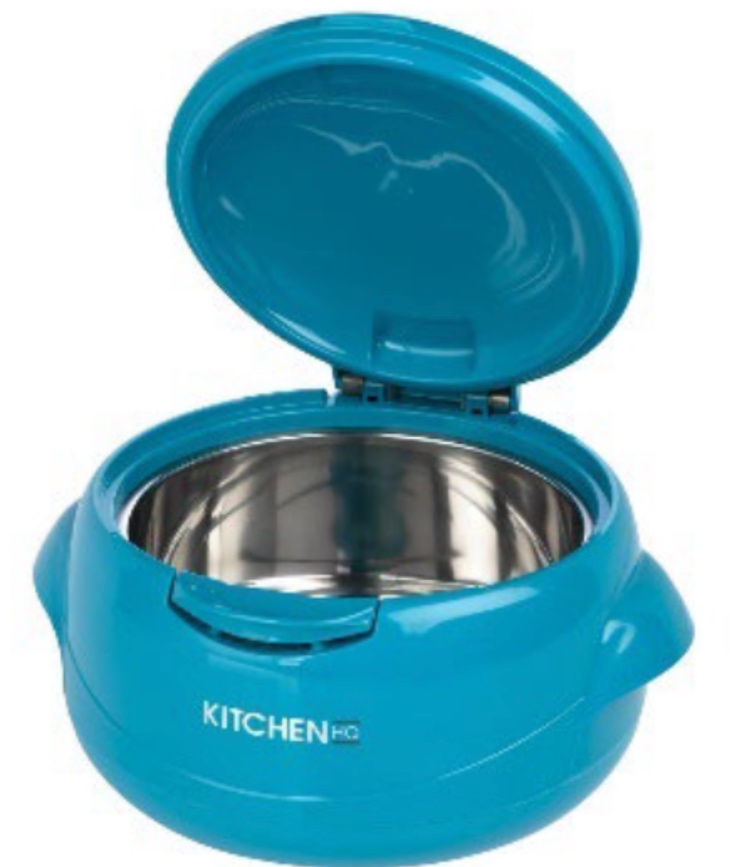
Kitchen HQ Thermal Insulated Bowls Recalled Over Microwave Fire Hazard
Kitchen HQ Thermal Insulated Bowls are being recalled due to a fire hazard. Metal springs in the detachable hinged lids can ignite when used
 foodpoisoningbulletin.com·18d ago
Are non-stick frying pans safe? Experts explain everything you need to know to stay safe when using non-stick cookware
 Ideal Home·1y ago
Radioactive Contamination in Shrimp Traced to Indonesian Steel Manufacturer
Indonesian authorities have traced radioactive contamination in shrimp and spices to a steel manufacturer, Peter Metal Technology (PMT), in
 consumerreports.org·8mo ago
Microscale Thermite Reaction: A Safer Educational Demonstration Using Rusty Iron Balls
This article describes a microscale, safer version of the classic thermite reaction for educational demonstration purposes. Two rusty iron b
 sciencedemonstrations.fas.harvard.edu·1mo ago
Comments
Sign in to join the conversation.
No comments yet. Be the first.