





















Microscale Thermite Reaction: A Safer Educational Demonstration Using Rusty Iron Balls
By
krunck

A five-star bake. Worth schmearing, sharing, saving.
Summary
This article describes a microscale, safer version of the classic thermite reaction for educational demonstration purposes. Two rusty iron balls—one wrapped in aluminum foil—are struck together, and the mechanical energy provides enough activation energy to trigger the exothermic oxidation-reduction reaction (2Al + Fe2O3 → Al2O3 + 2Fe + heat). The reaction produces bright yellow sparks, a loud cracking sound, and temperatures around 2200°C, hot enough to melt iron. The article includes detailed setup instructions, safety precautions, demonstration steps, cleanup procedures, and references. It is presented as a lecture demonstration resource from Harvard Natural Sciences.
Key quotes
· 5 pulledThis is a much safer, microscale version of the thermite reaction—very fun and easy to perform!
The mechanical energy of the balls colliding provides enough activation energy to allow the reaction to occur, resulting in the formation of the products and large amounts of heat.
Once the reaction starts, it is self-sustaining and does not depend on an external supply of oxygen.
The heat of reaction is ΔH° = -849 kJ/mol, resulting in a reaction temperature of approximately 2200 °C.
The bright yellow sparks result from microscopic amounts of extremely hot molten iron being thrown out into the air.
You might also wanna read

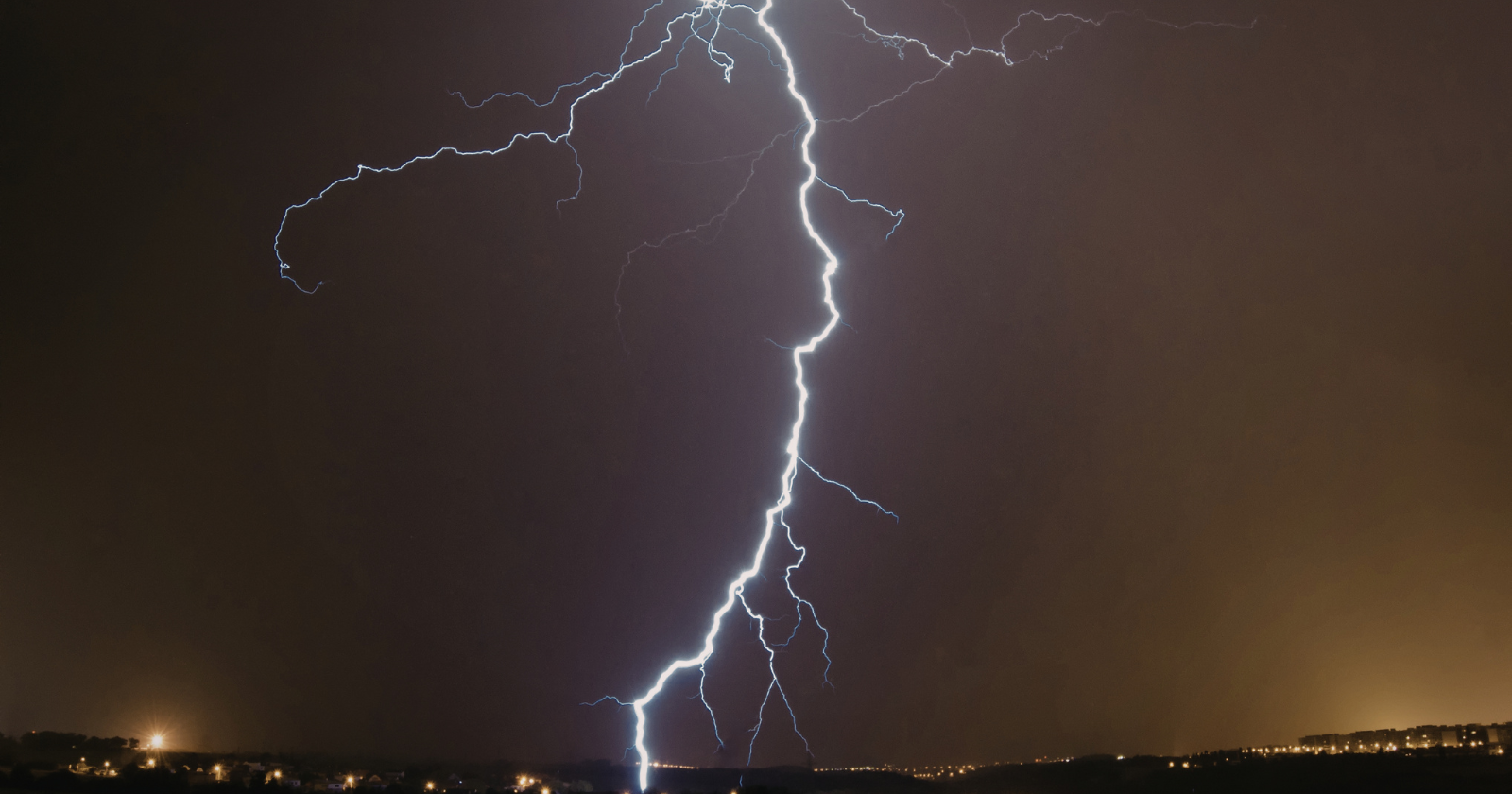
Lightning's temperature is roughly five times hotter than the Sun's surface, NOAA confirms
This article examines the claim that lightning heats the air to five times the temperature of the Sun's surface. It confirms that the US Nat
 spacedaily.com·2h ago
Mathematicians challenge dark energy model, suggesting cosmic acceleration may arise naturally from Einstein's equations
A team of mathematicians challenges the long-standing dark energy model, arguing that the model it was designed to rescue was never mathemat
 earth.com·5h ago
Massachusetts invests $25M in MIT's new Quantum Systems Laboratory for quantum computing research
MIT is launching a Quantum Systems Laboratory in Cambridge, backed by a $25 million state investment from Massachusetts. The facility aims t
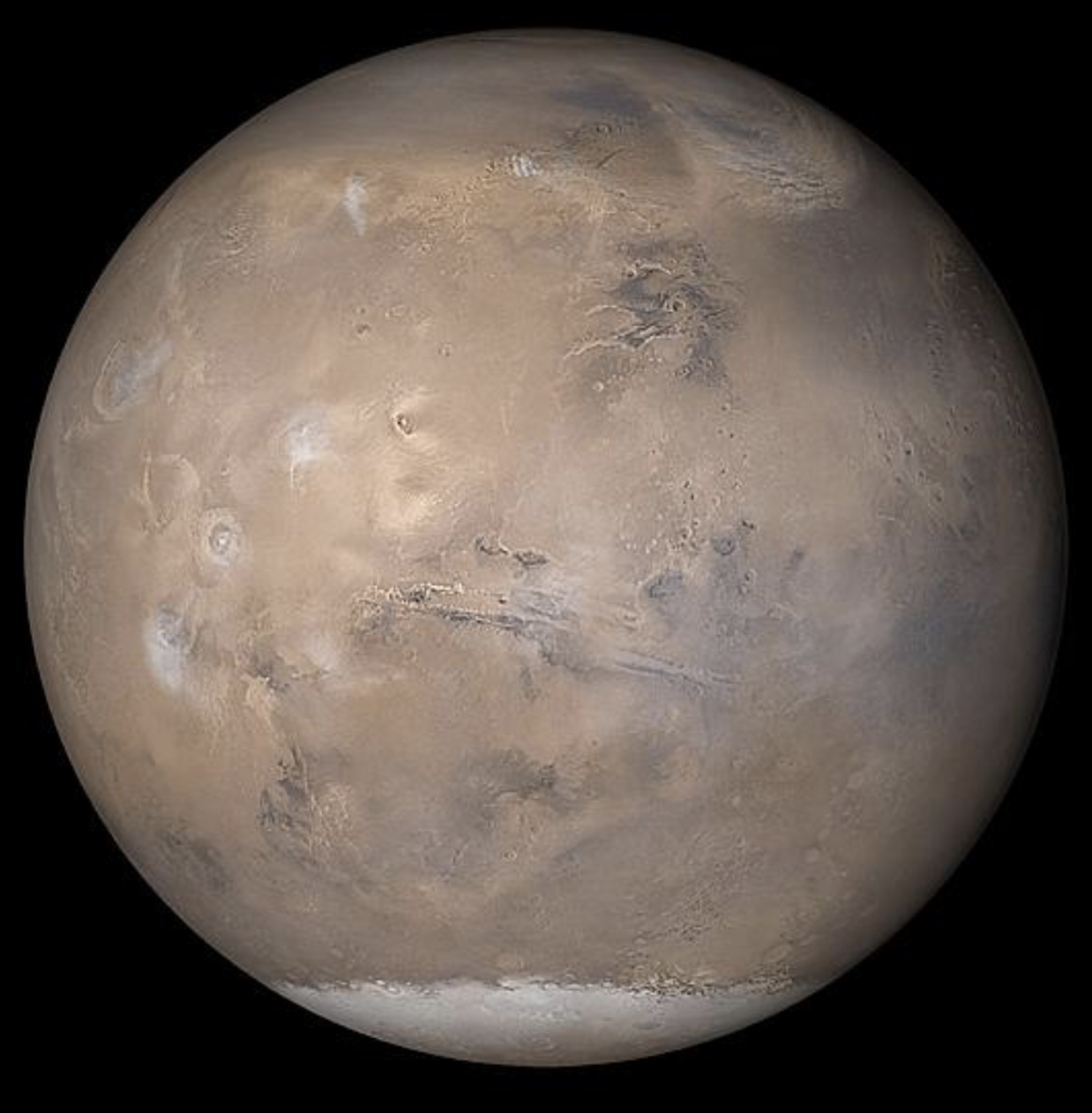
Viewing Mars as an Exoplanet: Lessons for Detecting Habitability from Afar
This scientific article explores what we could learn about Mars if we viewed it as an exoplanet—a distant world orbiting another star. The a
 astrobites.org·6h ago
2026 Peer Review Report Challenges Crisis Narrative, Calls for Evidence-Based Assessment
The 2026 Future of Peer Review Report challenges the prevailing narrative that peer review is in crisis. Based on eight years of ScholarOne
 silverchair.com·7h ago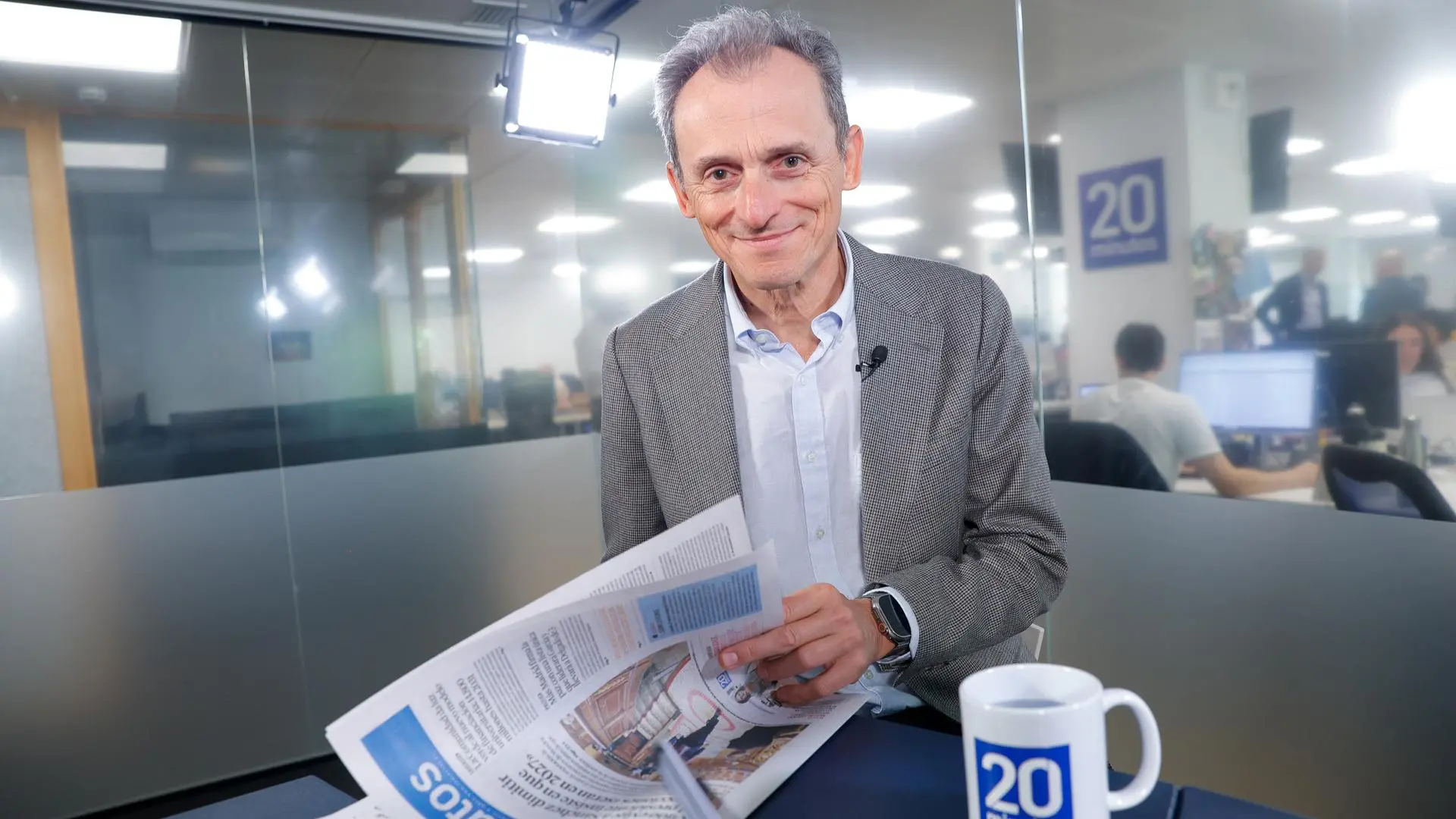
Pedro Duque, Spain's first astronaut, reflects on his journey from childhood dreams to space and analyzes the Artemis II mission
Profile and interview with Pedro Duque, Spain's first astronaut, who recounts his journey from watching the 1969 Moon landing as a child in
 20minutos.es·10h ago