
























 Baker's Take
Mozilla study finds period tracker Stardust sending health data to third parties

By
Mr Bagel
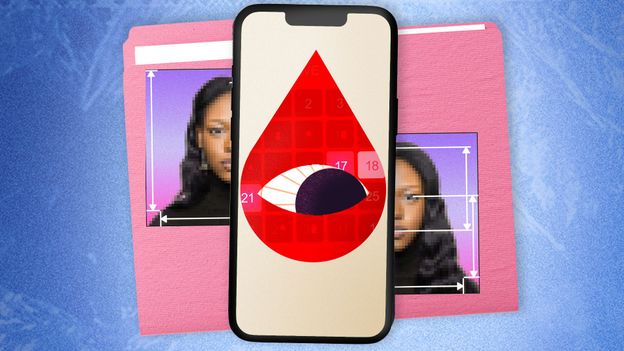
A new Mozilla Foundation investigation into period tracking apps has revealed that Stardust, an app that blends fertility tracking with astrology, is sharing users' sensitive health information with an analytics company. The research, shared exclusively with the BBC, tested several popular period trackers and found a wide gap between their privacy promises and actual data handling practices, according to Hacker News.
"One period tracker app tested by Mozilla was 'squeaky clean,' while another app was seen sharing users' health data with an analytics company, underscoring vast differences in user privacy among these apps." :: TechCrunch

TechCrunch reported that the "squeaky clean" app contrasted sharply with Stardust, which was found to share data despite claiming user privacy. The Mozilla report examined apps including Stardust, Flo, and Clue, finding that many transmit health data to third parties such as Facebook and Google.
The investigation carries heightened significance in the wake of the U.S. Supreme Court's Dobbs decision, which overturned Roe v. Wade. Hacker News noted the increased risks for users in states where abortion is restricted, as period tracker data could be used to infer pregnancy or abortion.
"Stardust, which combines period tracking with astrology, claims user data is private but was found to share data with multiple third parties." :: Hacker News
Hacker News highlighted that the gap between privacy promises and actual data practices poses serious risks for users, especially those living in areas where reproductive health data could be targeted by law enforcement. The findings underscore the need for greater transparency and stronger protections for intimate health information.
The reporting
3 outlets covered this story. Each links to the original.
Comments
Sign in to join the conversation.
No comments yet. Be the first.