
























PICO: A Practical Learned Image Codec Optimized for Human Visual Perception
What Matters in Practical Learned Image Compression
Read the full articleYou might also wanna read


Vivideo AI: Características de la Plataforma de Video Inteligente
Descubre las increíbles características de Vivideo AI, la plataforma de video con inteligencia artificial. ¡Optimiza tus proyectos hoy mismo
MJEPA: A Unified Single-Encoder Architecture for Self-Supervised Audio-Visual Learning
Self-supervised learning from large-scale video data has emerged as a dominant paradigm for visual representation learning. Since audio and
 arxiv.org·21d ago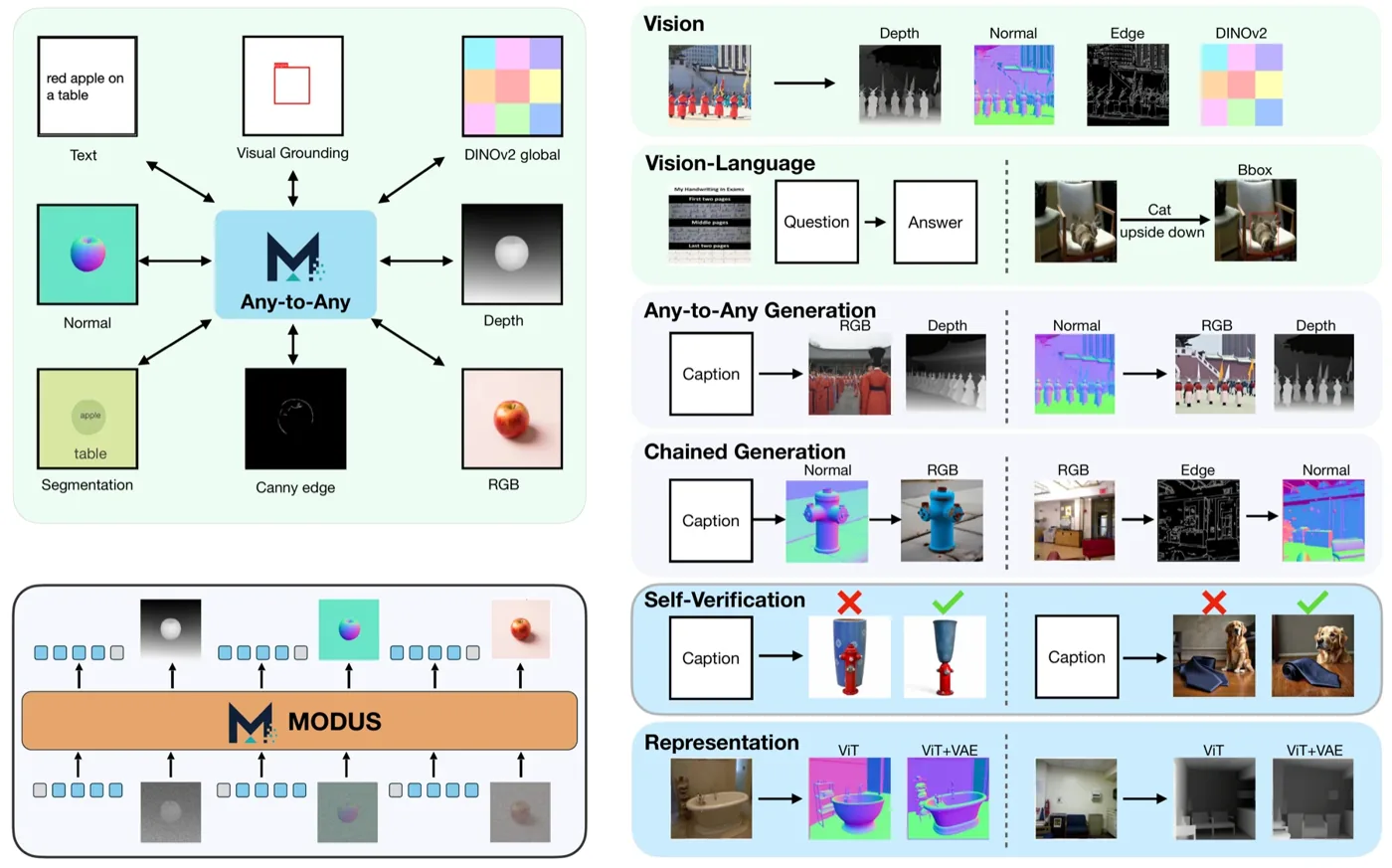
MODUS: A Unified Decoder-Only Model for Any-to-Any Multimodal Generation
MODUS unifies any-to-any multimodal generation in a single decoder-only model.

Revolutionary Model Compression: BALF's Vision for CNNs and Transformers
BALF's new approach to model compression goes beyond linear layers, offering superior performance and efficiency without fine-tuning.
Vivideo AI: Recursos da Plataforma de Vídeo Inteligente
Descubra os recursos inovadores da Vivideo AI, a plataforma de vídeo com inteligência artificial. Crie vídeos incríveis facilmente. Experime

La inteligencia artificial de 4lines genera renders en 30 segundos y transforma la fase de anteproyecto
Con este objetivo, 4lines ha desarrollado una plataforma en la nube que permite diseñar planos, generar visualizaciones fotorrealistas en ap
Comments
Sign in to join the conversation.
No comments yet. Be the first.