
























Planetary defense: How scientists are working to protect Earth from asteroid impacts
By
Govert Schilling
Summary
An essay discussing the threat of asteroid impacts on Earth, using a recent meteoroid event over Massachusetts as a hook. It explores the science of near-Earth objects, the history of significant impacts, and the various strategies being developed to detect and deflect potentially hazardous asteroids, including NASA's DART mission and other planetary defense initiatives.
Source
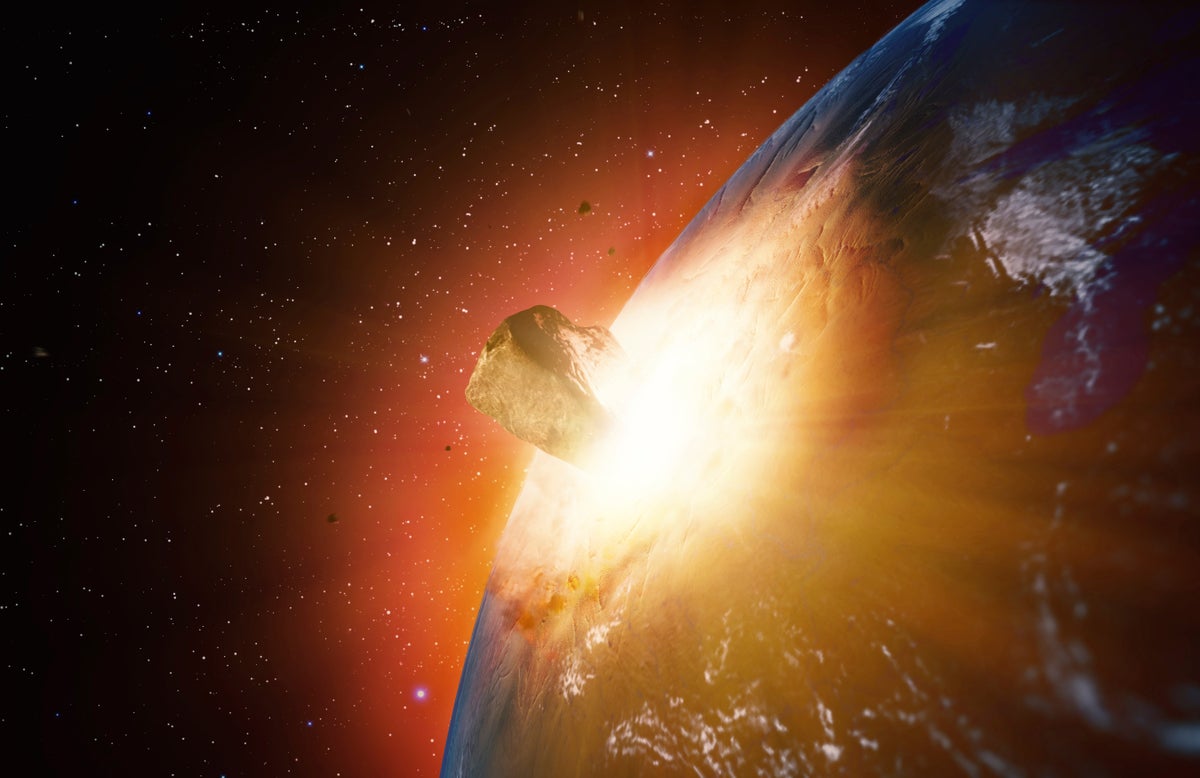
 Twitter / XPlanetary defense: How scientists are working to protect Earth from asteroid impactsspklr.io
Key quotes
· 3 pulledIn late May, in broad daylight, residents across Massachusetts and beyond saw a brilliant flash in the sky, followed by two sonic booms that rattled windows, shook houses, and prompted a flood of 911 calls.
Our solar system is a celestial shooting gallery, chock-full of flying projectiles that one day could threaten Earth—so what can we do about it?
The true source of all the commotion was out of this world—literally.
You might also wanna read

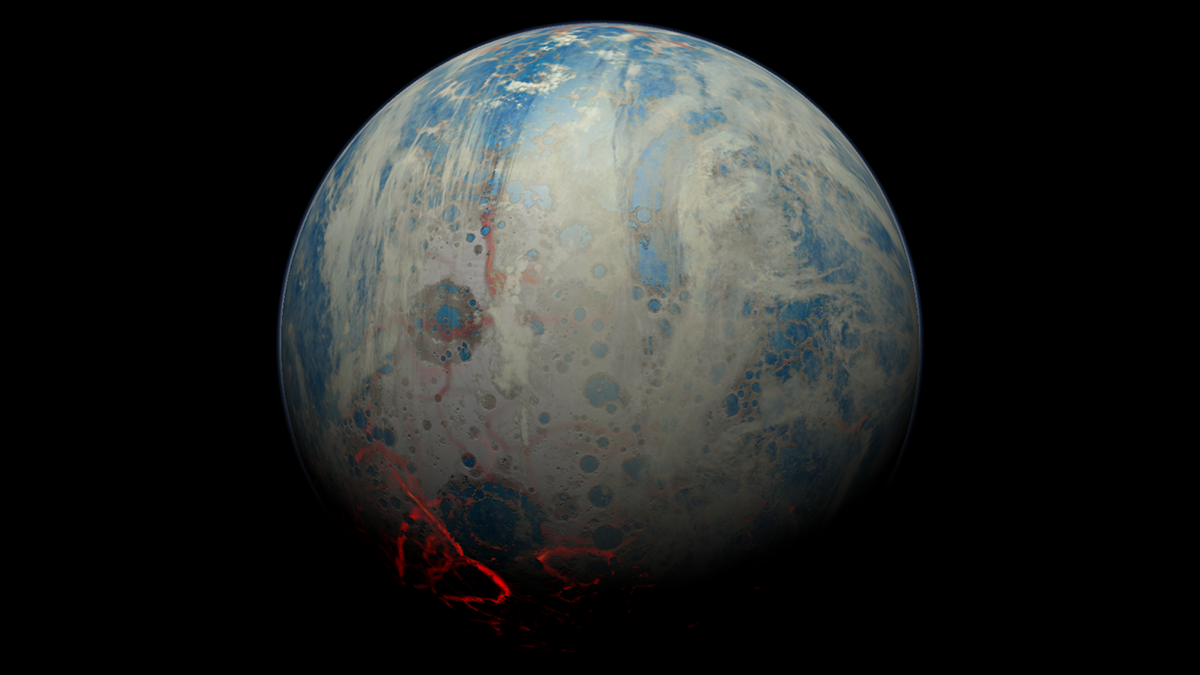
Study: Early Earth's Asteroid Impacts May Have Enabled Prebiotic Chemistry
A new study published in AGU Advances examines how asteroid and planetesimal impacts during Earth's Hadean and Archean eons (4.6 to 3.5 bill
 eos.org·29d ago
NASA Scientific Visualization Studio | Gardening Rates on the Moon
Can we create a shield to protect Earth from solar storms?

How asteroids may have sparked life on Earth
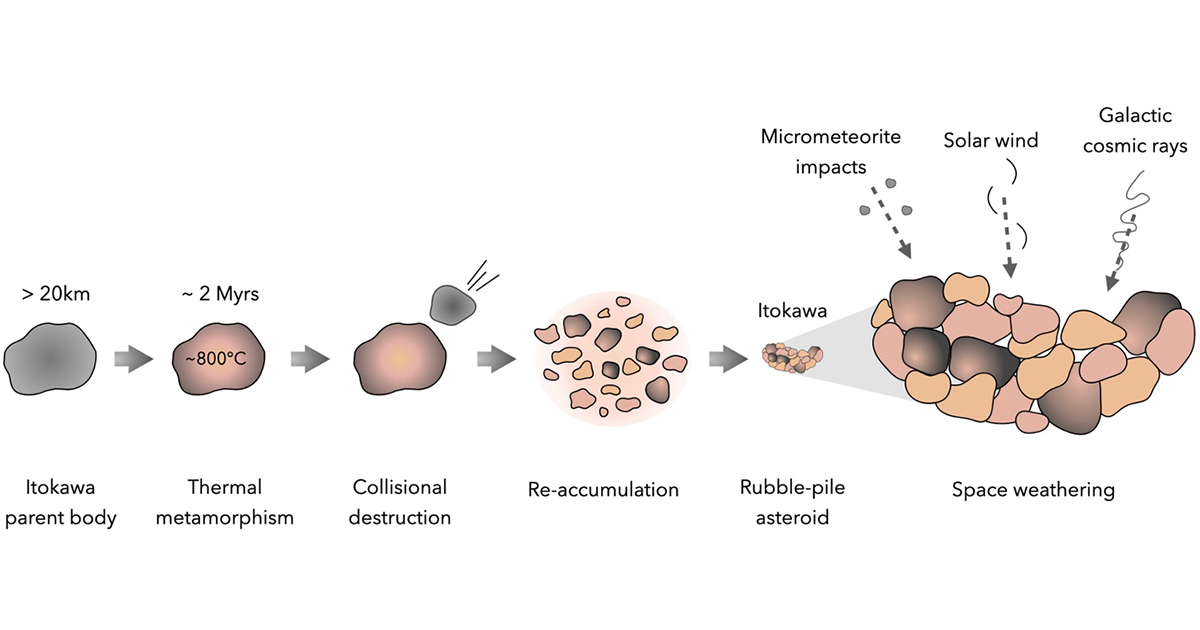
Review of asteroid sample return missions: Hayabusa, Hayabusa2, and OSIRIS-REx
This article discusses the three asteroid sample return missions to date: JAXA's Hayabusa and Hayabusa2, and NASA's OSIRIS-REx. It highlight
 isas.jaxa.jp·1mo ago
Citizen scientists can help discover new meteor showers through backyard camera networks
This article discusses the importance of tracking meteors and how citizen scientists can contribute to meteor camera networks. It explains w
 scientificamerican.com·22d ago
Comments
Sign in to join the conversation.
No comments yet. Be the first.