
























New observations suggest the Milky Way's spiral arms may be larger than previously estimated
By
Chelsea Gohd
Summary
New observations using data from NASA's Chandra X-ray observatory and ESA's XMM-Newton observatory suggest that the Milky Way galaxy's spiral arms may be larger and more extensive than previously thought. Astronomers used cosmic explosions to take precise measurements that challenge the long-standing understanding of our galaxy's structure, which was first discovered over 175 years ago in 1850. The findings could fundamentally change our understanding of the Milky Way's size and shape.
Source

 SpaceNew observations suggest the Milky Way's spiral arms may be larger than previously estimatedspace.com
Key quotes
· 3 pulledNew observations have revealed that our galaxy's spiral arms could stretch farther and wider than we previously concluded.
The Milky Way's spiral structure was discovered over 175 years ago in 1850. But new information could completely change our understanding of our cosmic home.
Astronomers have taken a new look at our Milky Way galaxy using data from NASA's Chandra X-ray observatory and the European Space Agency's XMM-Newton observatory and have pieced together new, precise measurements of the galaxy.
You might also wanna read

XMM-Newton and Chandra data reveal Milky Way's outer spiral arms are 10% farther than previously thought
Using XMM-Newton and Chandra X-ray space telescopes, astronomers have detected light echoes from three bright explosions (supernovae) in the
XMM-Newton and Chandra data reveal Milky Way's outer spiral arms are 10% farther than previously thought
Using XMM-Newton and Chandra X-ray space telescopes, astronomers have detected light echoes from three bright explosions (supernovae) in the
The Milky Way’s Arms May Stretch Farther Than We Thought
NASA’s most powerful X-ray telescope reveals Milky Way may stretch farther than previously known
No Way! Our galaxy is even bigger than scientists first thought
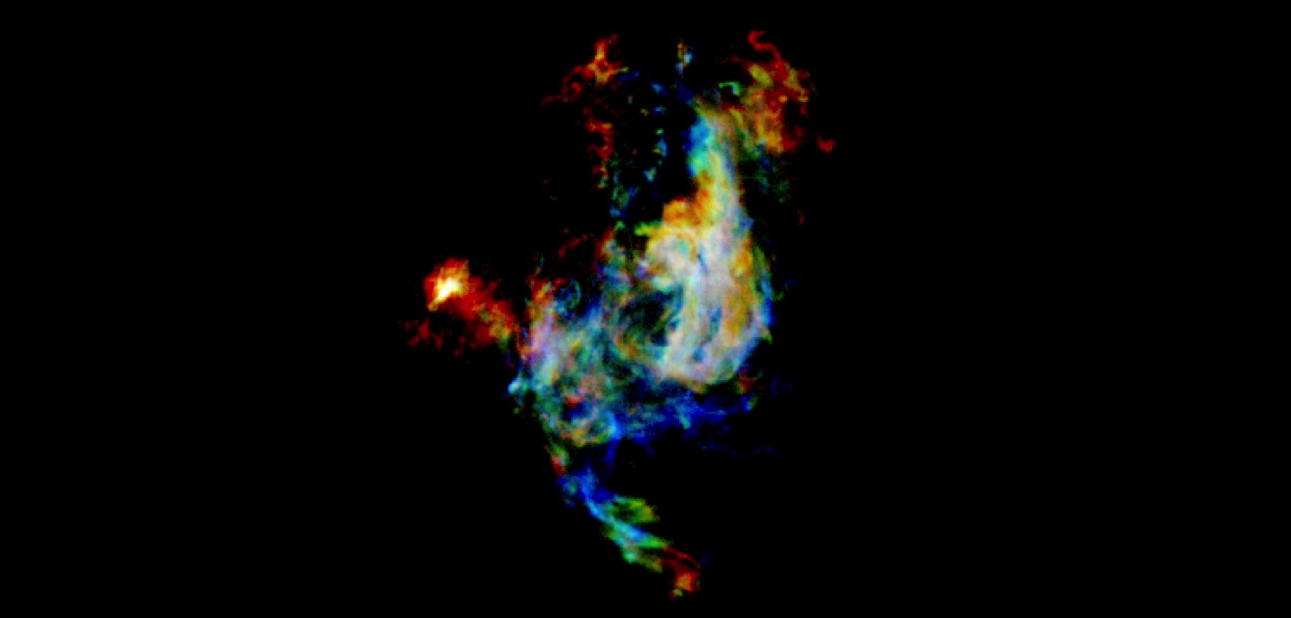
Spiral-Shaped Molecular Cloud Discovered 5,400 Light-Years Away in the Milky Way
A newly discovered molecular cloud in the Milky Way, found through the Milky Way Imaging Scroll Painting project, displays a surprising spir
 aasnova.org·15d ago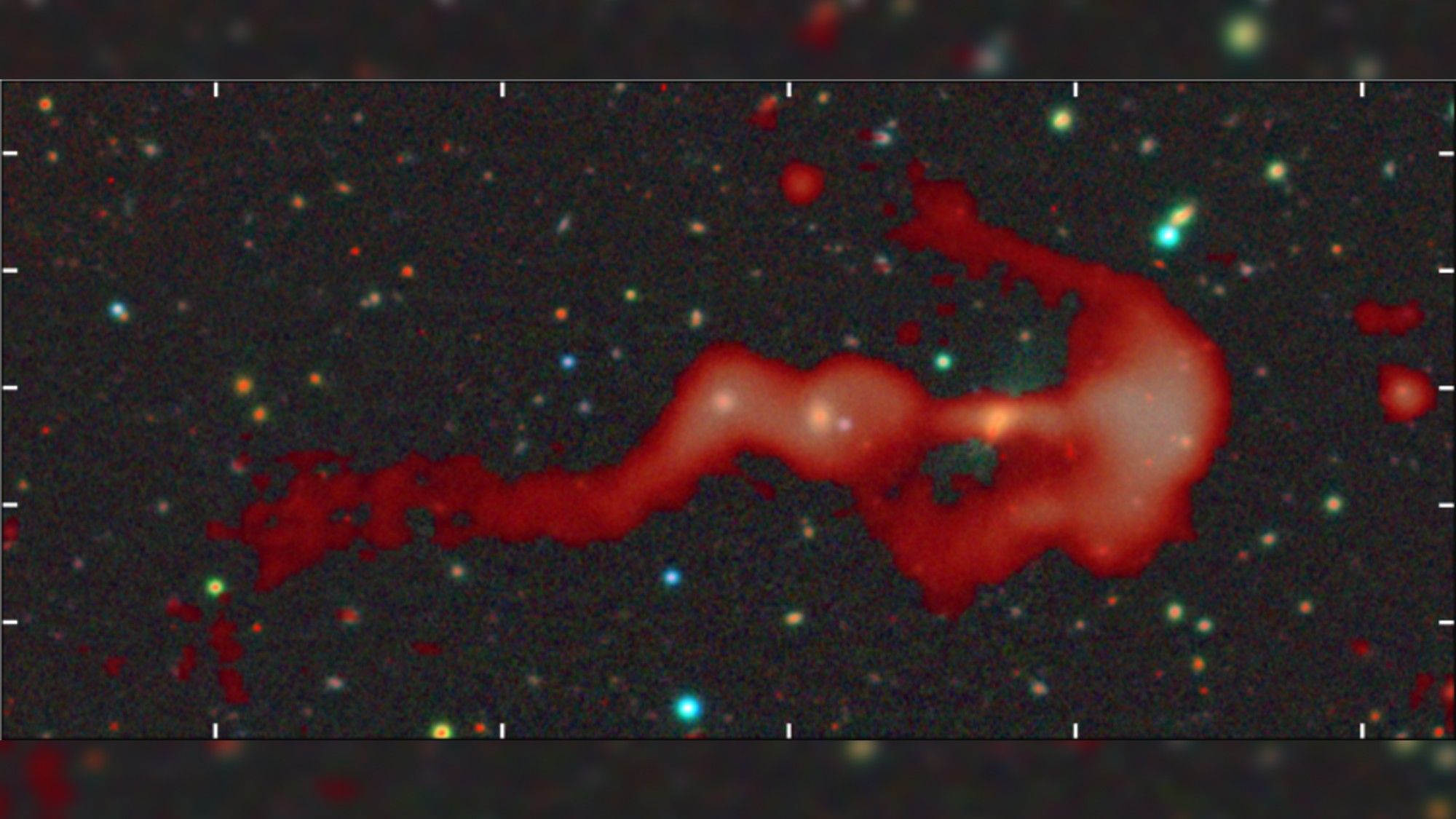
Citizen scientist discovers RAD-BAARG: A giant radio galaxy with a never-before-seen bow-and-arrow structure
A citizen scientist discovered a bizarre radio galaxy named RAD-BAARG (Radio Bow-And-Arrow Radio Galaxy) spanning nearly 1.8 million light-y
 space.com·11d ago
Citizen scientist discovers RAD-BAARG: A giant radio galaxy with a never-before-seen bow-and-arrow structure
A citizen scientist discovered a bizarre radio galaxy named RAD-BAARG (Radio Bow-And-Arrow Radio Galaxy) spanning nearly 1.8 million light-y
space.com·11d ago
Comments
Sign in to join the conversation.
No comments yet. Be the first.