
























Optimal Local Precoding for Cell-Free Massive MIMO Under the UatF Bound
Source
IEEEOptimal Local Precoding for Cell-Free Massive MIMO Under the UatF Boundieee.orgYou might also wanna read

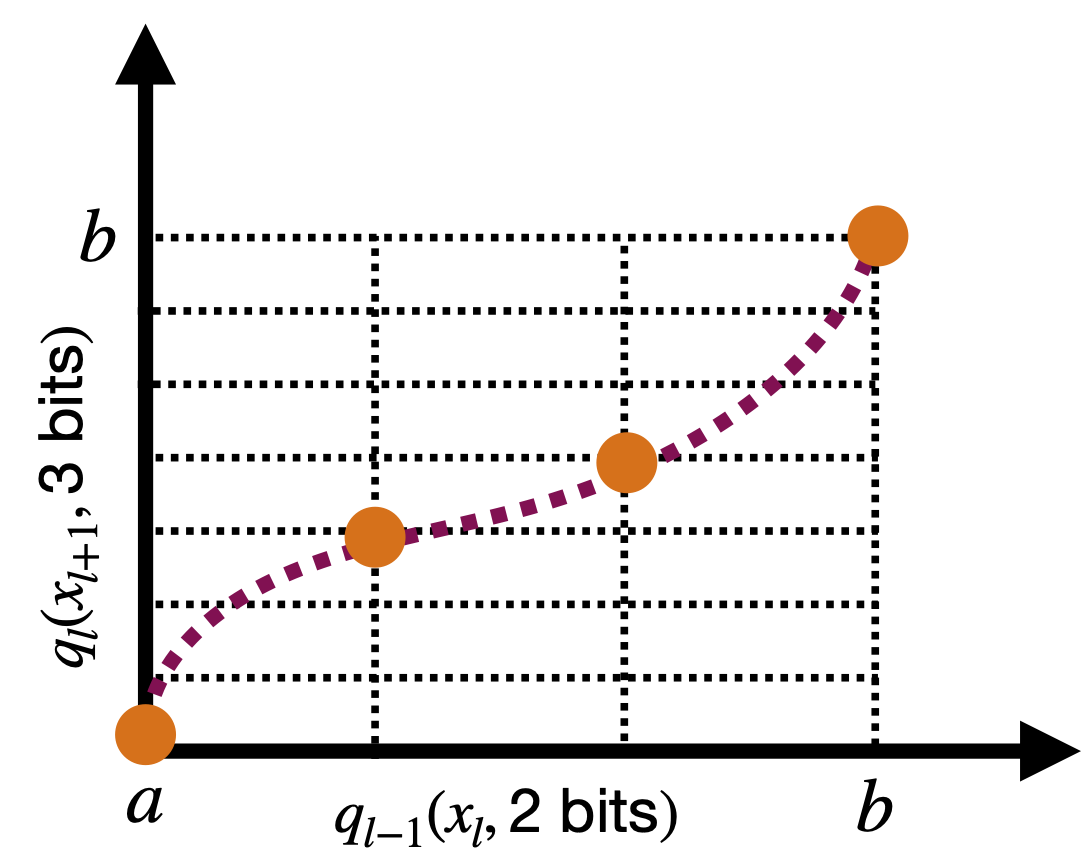
Ultrafast FPGA-based inference and online learning using Kolmogorov-Arnold Networks
This post explains the author's Master's thesis on designing hardware architectures for ultrafast inference and online learning using Kolmog
 aarushgupta.io·28d ago
Xiaomi MiMo-V2.5-Pro-UltraSpeed achieves 1000+ tokens/s on 1T-parameter model
Xiaomi's MiMo-V2.5-Pro-UltraSpeed model, developed in collaboration with TileRT, achieves a breakthrough in AI inference speed — reaching ov
 mimo.xiaomi.com·29d ago
Mathematicians Use Network Theory to Advance Understanding of Fourier Transform
Mathematicians have made significant progress on a long-standing problem related to the Fourier transform, a fundamental mathematical tool u
 quantamagazine.org·5mo ago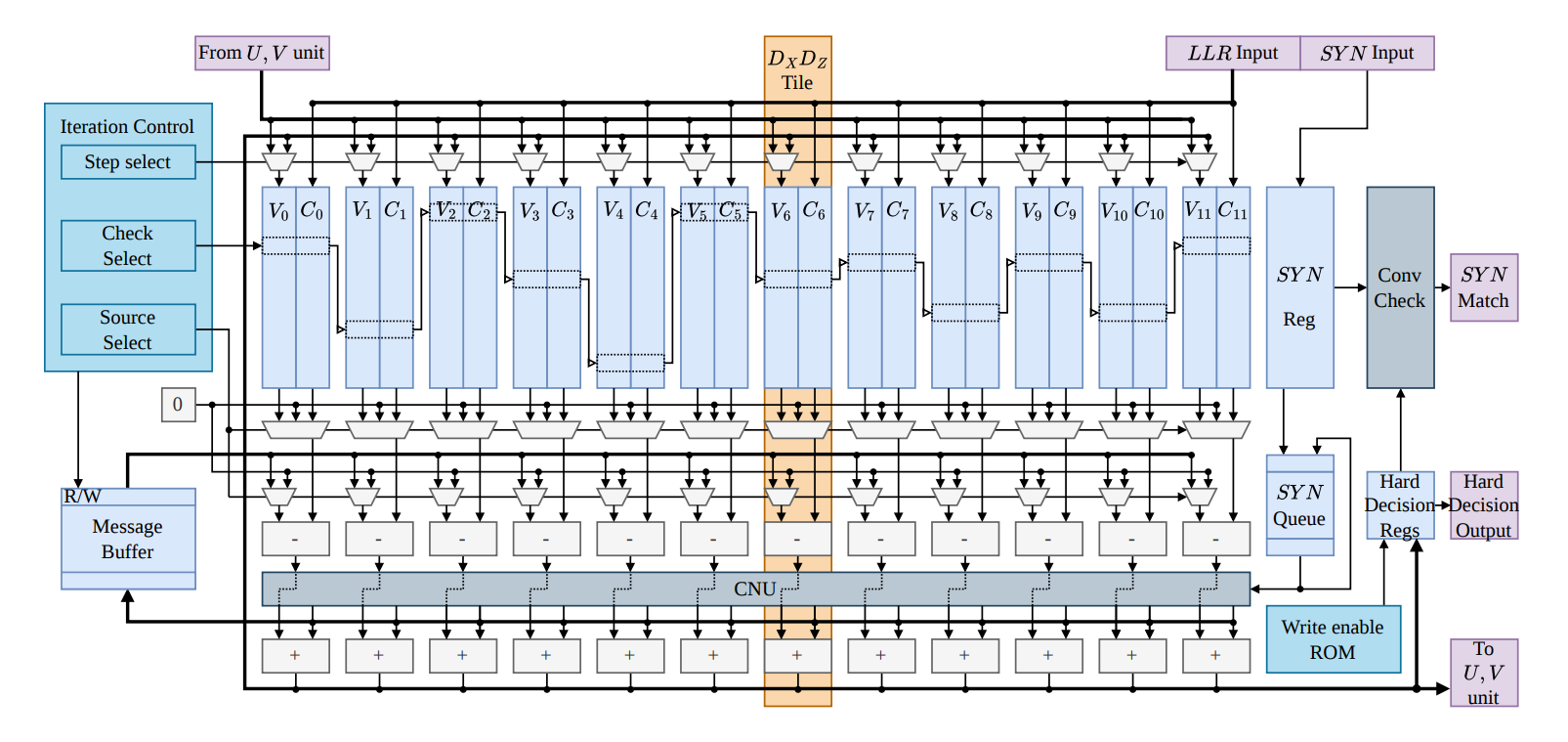
FPGA-Based Hardware Architecture Enables Real-Time Decoding of Quantum LDPC Codes
Researchers from IMDEA Software Institute, Nokia Bell Labs, Complutense University of Madrid, Aalto University, and Quobly have developed an
 quantumcomputingreport.com·13d ago
Limitations and improvements of chain rules for conditional entropies in quantum cryptography security proofs
This article discusses chain rules for conditional entropies in quantum cryptography, which are essential for security proofs against genera
 arxiv.org·1mo ago
Learning from Redundant Optimization: The asin() Function Case Study
The article discusses the author's realization that a faster implementation of the asin() (arcsine) function was already available in standa
 16bpp.net·3mo ago
Comments
Sign in to join the conversation.
No comments yet. Be the first.