





















Limitations and improvements of chain rules for conditional entropies in quantum cryptography security proofs
By
[Submitted on 28 May 2026]

A good honest bake. Not flashy, but you'll finish the whole bagel.
Summary
This article discusses chain rules for conditional entropies in quantum cryptography, which are essential for security proofs against general eavesdropper attacks. The authors identify a limitation in the device-independent (DI) setting, showing that a natural tightening of an existing chain rule cannot hold. However, they prove a new chain rule that provides intermediate improvement, leading to a tighter version of the Rényi Entropy Accumulation Theorem (EAT) in certain contexts. The paper also provides a unified framework comparing existing chain rules and their applications.
Key quotes
· 5 pulledSecurity proofs in quantum cryptography rely on conditional entropies.
Chain rules address this problem by relating the conditional entropy of a structured, but non-i.i.d. process to a sum of entropy contributions from each round.
Surprisingly, we show that a natural tightening of the chain rule of Dupuis et al. that would answer this question affirmatively cannot hold, highlighting a limitation of the current DI security proof approach.
Nonetheless, we show that an intermediate improvement is possible by proving a new chain rule in this setting.
In addition, we provide a self-contained framework that unifies existing chain rules and compares their applications, framing our results in a broader context.
You might also wanna read

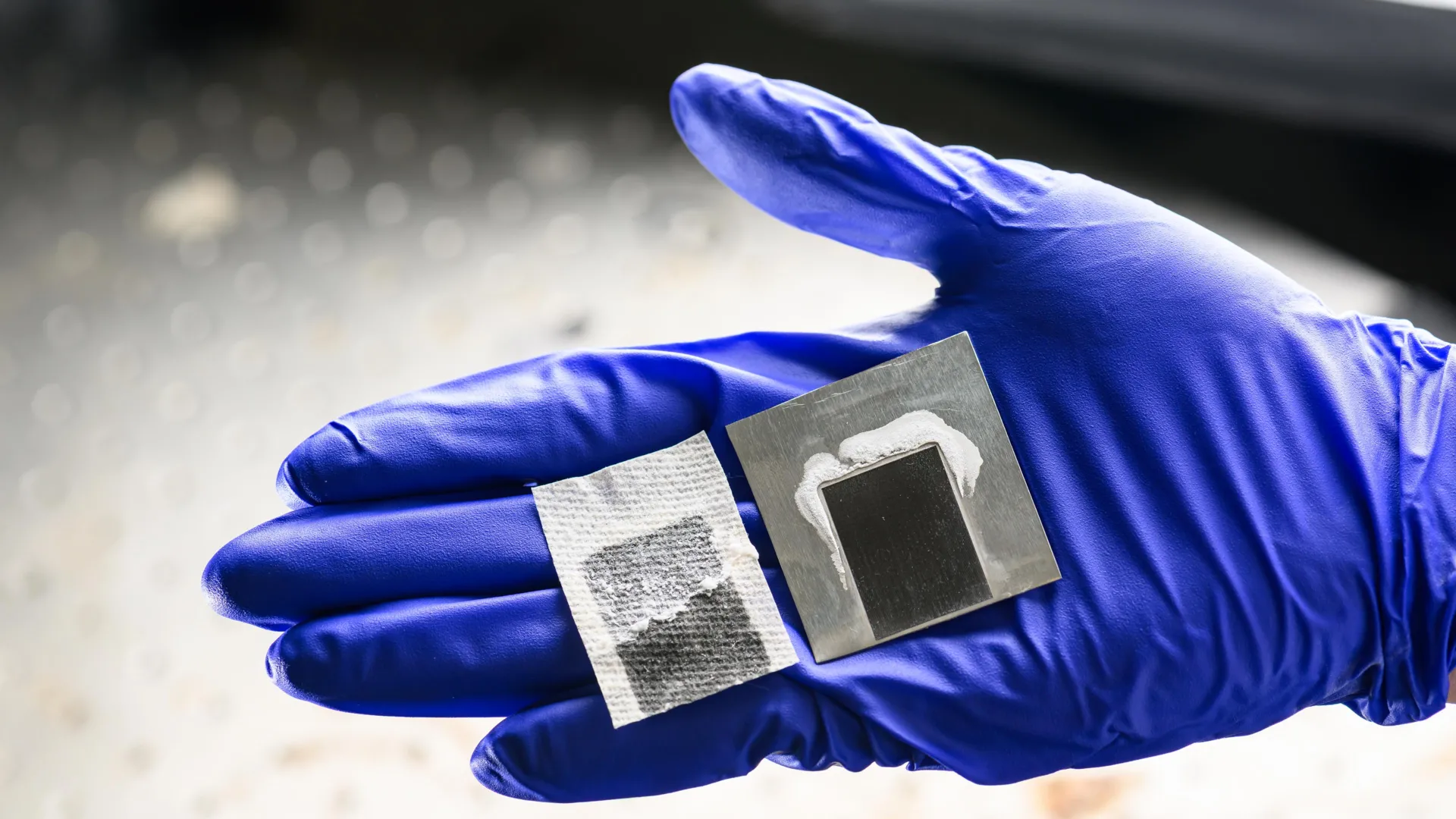
Solar desalination system eliminates toxic brine while producing fresh water
Scientists have developed a solar-powered desalination system that converts seawater into fresh water without producing toxic brine, a major
Solar desalination system eliminates toxic brine while producing fresh water
Scientists have developed a solar-powered desalination system that converts seawater into fresh water without producing toxic brine, a major

Robot Talk Episode 154: Visual Navigation in Insects and Robots – Interview with Andrew Philippides
Claire interviews Andrew Philippides, a Professor of Biorobotics at the University of Sussex, about how insights from insect navigation (ant
 robohub.org·7h ago
New chemical process offers safer, lower-cost method for extracting lithium from hard rock
MIT scientists have developed a new chemical process to extract lithium from spodumene (hard rock) that is safer, lower-cost, and more envir
 gizmodo.com·7h ago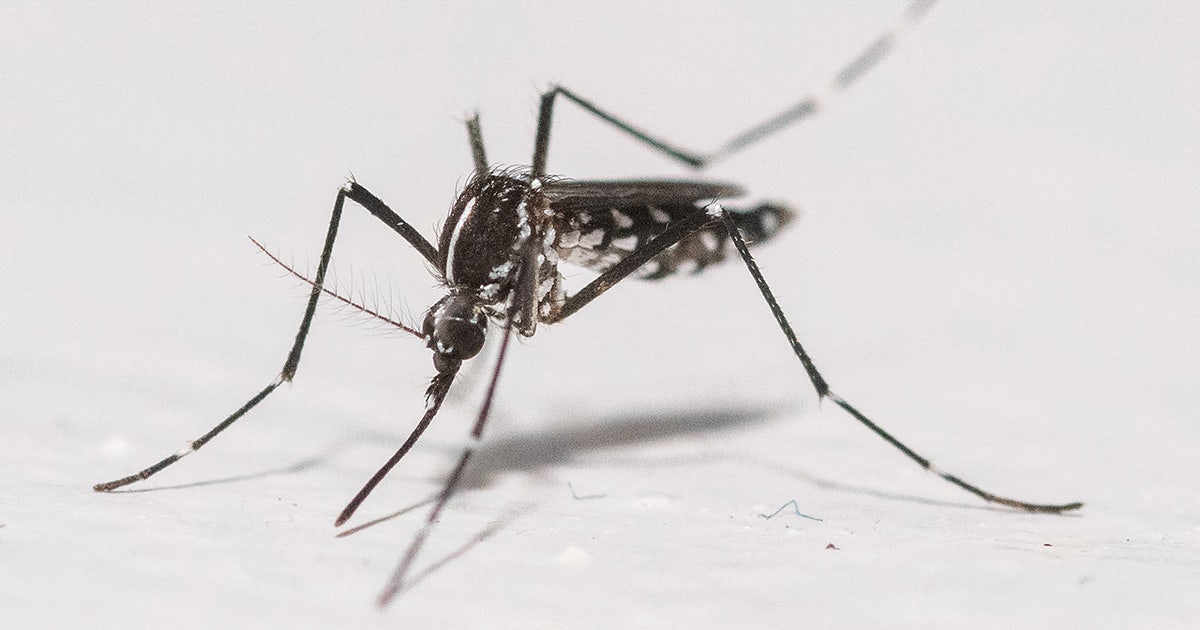
Google's Debug program seeks EPA permit to release 64 million modified mosquitoes in California and Florida
Google's Debug program plans to release up to 64 million genetically modified "good" mosquitoes in California and Florida over two years to
 bit.ly·8h ago
AI-powered charging systems could extend EV battery life by up to 23%, researchers say
Researchers have developed AI-powered charging systems that could extend electric vehicle (EV) battery life by up to 23%. The technology opt
 bgr.com·9h ago