
























AI and Accessibility: Promise and Peril Require Responsible Development
By
Tom Shannon
Summary
Aaron Gustafson, Microsoft's Accessibility Innovation Strategist, writes a nuanced piece on the intersection of AI and accessibility. While expressing skepticism about AI's potential for harm, he argues that AI can be a powerful tool for accessibility when developed responsibly. He emphasizes that AI's biases reflect the data and teams behind them, and calls for diverse, inclusive development teams to mitigate harm. The piece explores both the promises (e.g., assistive technologies, communication aids) and perils (e.g., bias, exclusion) of AI in accessibility, advocating for a human-centered, cautious approach to AI deployment.
Source
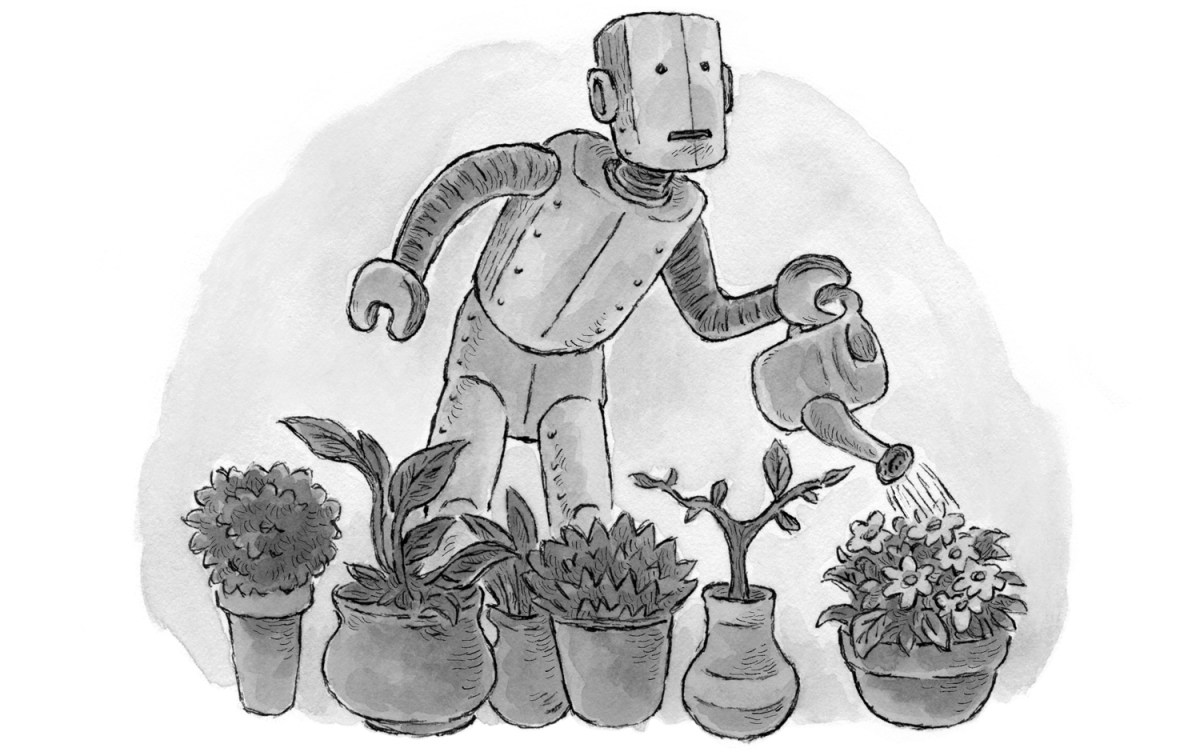
 A List ApartAI and Accessibility: Promise and Peril Require Responsible Developmentalistapart.com
Key quotes
· 3 pulledAs with any tool, AI can be used in very constructive, inclusive, and accessible ways; and it can also be used in destructive, exclusive, and inaccessible ways.
The biases inherent in AI systems are a reflection of the data they are trained on and the people who build them.
We need diverse teams building these technologies to ensure they work for everyone, not just a privileged few.
You might also wanna read

AI Doesn't Fix Broken Accessibility — It Accelerates Existing Barriers, Microsoft Build Talk Argues
At Microsoft Build, Aaron Gustafson, Jessie Lorenz, and Carie Fisher presented a talk arguing that AI does not fix broken processes but acce
 aaron-gustafson.com·17d ago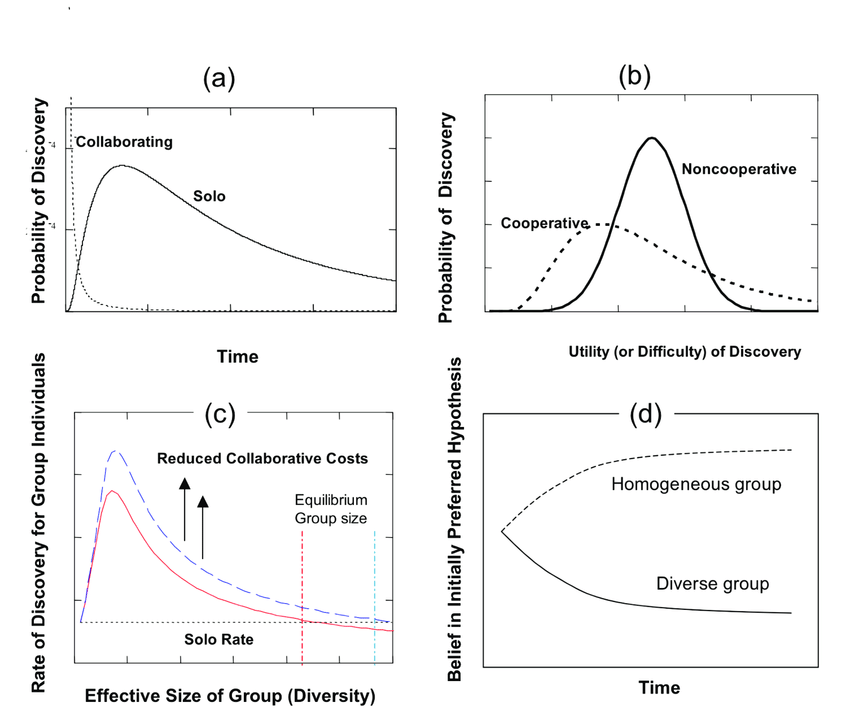
Why AI agents will force websites to prioritize accessibility
The article discusses how websites need to adapt for AI agents that will browse and interact with sites on behalf of users by 2026. It uses
 uxdesign.cc·4d ago
Accessibility as an Operational Capability: Moving Beyond Compliance Checklists in Software Development
This article argues that digital accessibility should be treated as an operational capability embedded throughout the development lifecycle,
 smashingmagazine.com·4d ago
Accessibility Becomes Central to Digital Innovation: A Review of Recent Global Developments
David Banes examines recent global developments showing that accessibility is transitioning from a niche concern to a core requirement of di
 davebanesaccess.medium.com·11d ago
Accessibility Becomes Central to Digital Innovation: A Review of Recent Global Developments
David Banes examines recent global developments showing that accessibility is transitioning from a niche concern to a core requirement of di
davebanesaccess.medium.com·11d ago
AI Cannot Fix Broken Accessibility Systems — It Depends on Them, Says Anna E. Cook
Anna E. Cook argues that AI cannot fix accessibility problems in digital systems; instead, AI inherits and amplifies existing structural fla
 annaecook.com·15d ago
Why Accessibility Must Be an Operational Capability, Not a Compliance Checklist
This article argues that digital accessibility should be treated as an operational capability embedded throughout the development lifecycle,
 Smashing Magazine·6d ago
Comments
Sign in to join the conversation.
No comments yet. Be the first.