

























Guest Essay: Serendipitous Gila Monster Venom Research That Led to GLP-1 Drugs Faces Funding Threats
By
Jeff Coller
Summary
This guest essay argues that funding for "weird" or curiosity-driven scientific research is under threat, using the example of John Eng's 1990s discovery of a GLP-1-like molecule in Gila monster venom. That serendipitous finding, made with modest VA hospital funds, eventually led to the development of blockbuster GLP-1 drugs. The article contends that such unconventional, high-risk research is becoming harder to sustain, which could stifle future breakthroughs.
Source

 bskyGuest Essay: Serendipitous Gila Monster Venom Research That Led to GLP-1 Drugs Faces Funding Threatsnytimes.com
Key quotes
· 3 pulledA slow, heavy desert lizard called the Gila monster can go months between meals.
Working with modest funds at a Veterans Affairs hospital, he and a colleague studied the lizard's venom and isolated a molecule that behaved like a human gut hormone, except that it lasted for hours instead of minutes.
Science turned a serendipitous finding about lizard venom into one of the most important drugs of the century, but that type of research is getting harder to do.
You might also wanna read


Guest Essay: Serendipitous Science Like the Gila Monster Discovery That Led to GLP-1 Drugs Is Under Threat
A guest essay argues that funding for "weird" or serendipitous scientific research is under threat, using the example of John Eng's 1990s di
nytimes.com·11h agoGuest Essay: Serendipitous Science Like the Gila Monster Discovery That Led to GLP-1 Drugs Is Under Threat
A guest essay argues that funding for "weird" or serendipitous scientific research is under threat, using the example of John Eng's 1990s di
nytimes.com·11h ago
Conflicts of interest threaten integrity of GLP-1 therapy guidance, experts warn
This article discusses the risks of conflicts of interest in clinical guidance for GLP-1 receptor agonists (like Ozempic, Wegovy) used for o
 bit.ly·3d ago
Conflicts of interest threaten integrity of GLP-1 therapy guidance amid rapid adoption
This article discusses the rapid uptake and commercial success of GLP-1 receptor agonists for obesity management, highlighting their clinica
bmj.com·3d ago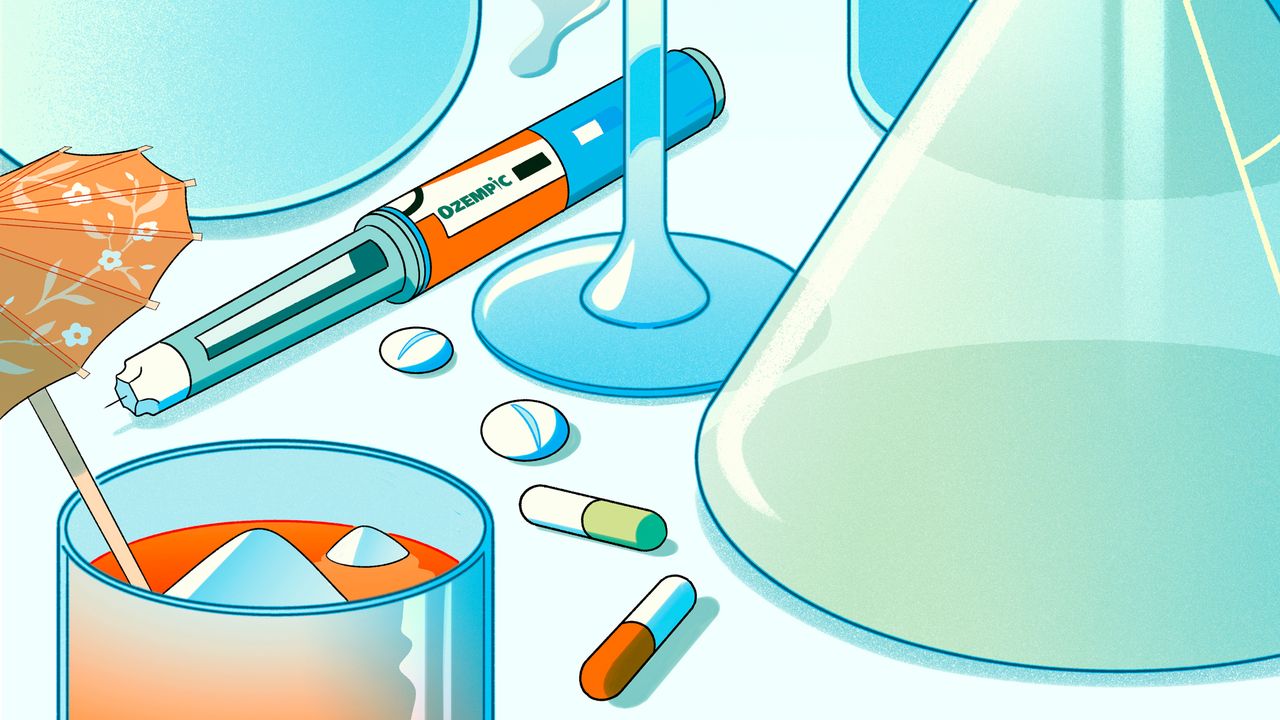
GLP-1 Medications Show Promise for Treating Addiction Through Brain Reward Pathways
The article explores the emerging potential of GLP-1 medications like Ozempic to treat various addictions beyond their original diabetes and
 newyorker.com·4mo ago
Experts warn easy access to GLP-1 drugs may increase eating disorder risks
Experts are raising concerns that the widespread availability of GLP-1 drugs (like Ozempic and Wegovy) through telemedicine and oral formula
 mdsc.pe·2d ago
Inside the Grey Market Peptide Economy: Regulatory Gaps and Underground Pharmaceutical Infrastructure
This article investigates the parallel pharmaceutical infrastructure built around grey market peptides like BPC-157 and semaglutide. It cont
 vectorculture.substack.com·5mo ago
Comments
Sign in to join the conversation.
No comments yet. Be the first.