





















Oly: Automation Platform for Luxury Fashion Resellers to Sync Listings Across 12+ Marketplaces
By
@producthunt

Recycled flavour. You've tasted this bagel before.
Summary
Oly is a self-serve automation platform designed for luxury fashion resellers and consignment stores. It enables users to sync product listings across 12+ secondhand marketplaces including Vestiaire Collective, Rebelle, Joli Closet, Shopify, WooCommerce, eBay, Grailed, and Miinto, streamlining multi-channel selling.
Key quotes
· 2 pulledOly is an automation platform for luxury fashion resellers and consignment stores that syncs product listings across 12+ secondhand marketplaces
Self-serve.
You might also wanna read

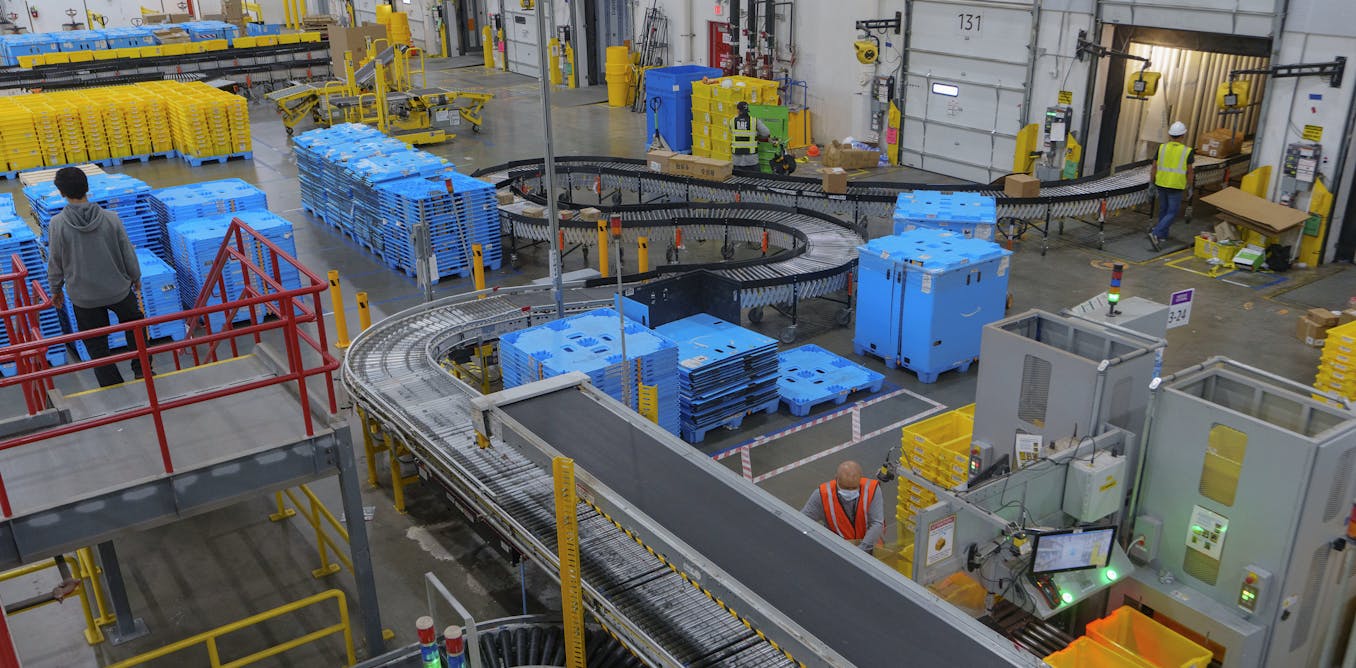
Why avoiding Amazon is harder than ever: its logistics network powers thousands of other online stores
The article explores the growing challenge for consumers who want to avoid Amazon while shopping online. It highlights how Amazon has quietl
 theconversation.com·1d ago
Why avoiding Amazon is harder than ever: its logistics network powers thousands of other online stores
The article explores the growing challenge for consumers who want to avoid Amazon while shopping online. It highlights how Amazon has quietl
theconversation.com·1d agoWhy avoiding Amazon is harder than ever: its logistics network powers thousands of other online stores
The article explores the growing challenge for consumers who want to avoid Amazon while shopping online. It highlights how Amazon has quietl
theconversation.com·1d ago
Podcast: E-Commerce Brand Owner Alan Li on Fighting Online Copycats and Protecting Intellectual Property
In this podcast episode, host Rob Cairns interviews Alan Li, an e-commerce brand owner and co-founder of CopyCatch, about the widespread pro
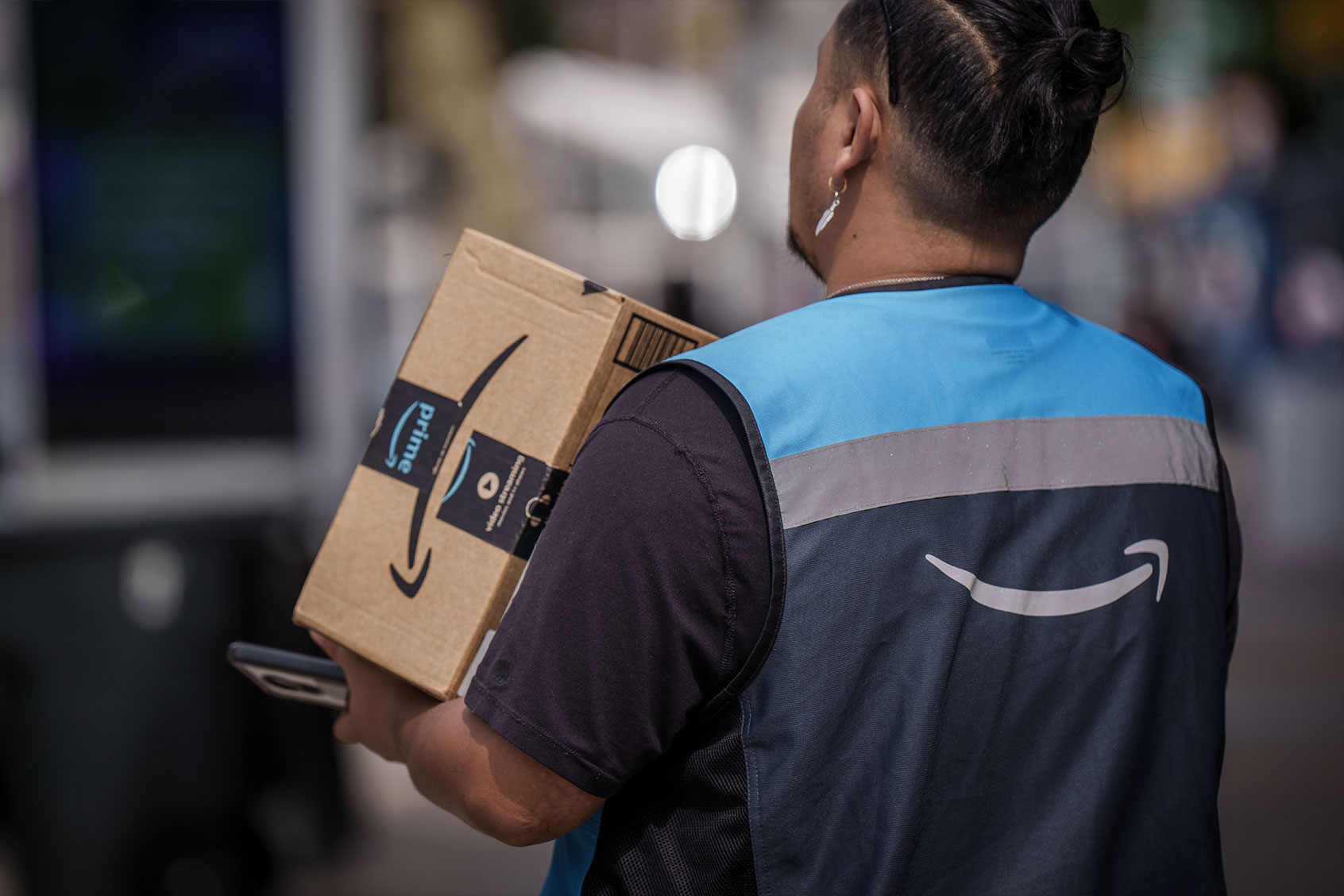
How Amazon quietly powers shipping for many independent online retailers
This article examines how many online shoppers who buy from independent small retailers on platforms like Etsy are unaware that their orders
 salon.com·2d ago
Why Global Marketplaces Fail in Korea: Trust, Not Product, Is the Real Barrier
Global marketplaces entering Korea often fail not because of weak products, but because they misunderstand how trust is formed in the Korean
 koreatechdesk.com·3d ago